






Los Angeles PTSD Treatment (Residential Mental Health Treatment Centers)
Access structured PTSD care that focuses on reducing distress, improving daily functioning, and supporting long-term recovery.
2000+ Patients Helped
6 Licenses & Certifications
5+ Years In Business
4.9 Star 100+ Patient Reviews
Aftercare Planning
Exciting Activities
Accredited & Trusted By




Our Awards

AMERICA’S BEST MENTAL HEALTH TREATMENT CENTERS 2026
Proudly recognized once again as one of America’s Best Mental Health Treatment Centers in 2026. Honoring our commitment to excellence in mental health care, positive patient outcomes, and a compassionate dedication to improving lives and emotional well-being.
Treatment Guidance Website Tour
After reading this current page, click on the next page we recommend here, or at the bottom of this page.
How Post-Traumatic Stress Disorder Treatment in Los Angeles Supports Recovery
Are you searching for PTSD treatment in Los Angeles because the distance between who you were before and who you are now has become impossible to ignore? PTSD rewires the brain's threat detection system in ways that produce involuntary flashbacks, hypervigilance, emotional numbing, sleep disruption, and an exhausting state of psychological alertness that persists long after the original danger has passed. Effective PTSD treatment requires clinical expertise in trauma neuroscience as well as familiarity with the diagnosis. We know the concerns that can make committing to treatment feel unsafe in itself:
What if the treatment environment triggers symptoms rather than containing them?
What if I'm asked to revisit memories before I've built enough stability to do so?
Will my clinician have genuine, specialized training in PTSD, not just general trauma experience?
What if the cost of specialized PTSD treatment creates a barrier I can't get past?
These are clinically grounded, experience-informed concerns that matter enormously. You deserve PTSD treatment delivered in an environment that is neurologically informed, therapeutically safe, and structured around your window of tolerance.
At Connections Mental Health, PTSD treatment in Los Angeles is guided by an understanding of how trauma reshapes brain function, and what evidence-based intervention is required to support genuine recovery. Our specialists employ phase-based trauma treatment protocols, ensuring stablilization is firmly established before any deeper processing work begins.
Read more below.



Our Faculty Members

Clinical Director - LMFT

Therapist - ACSW, MSW, EMDR Certified

Therapist - ASCW

Therapist - AMFT
Structured PTSD Treatment in Los Angeles
PTSD can feel like your system is always a step ahead of you. A sound, a place, even a thought can set off a reaction before you have time to process what’s happening. You might notice your body tensing, your mind going blank, or your emotions shifting in disproportionate ways.
If your reactions feel faster than you can make sense of, you’re not alone.
Inpatient PTSD treatment gives you the space to slow reactions down, understand what’s behind them, and build new ways to respond with consistent clinical support.
There are [acf field=residential_facilities___number] residential programs available within [acf field=residential_facilities___mile_radius] of Los Angeles, offering structured environments designed for PTSD and trauma care.
No fewer than [acf field=facilities_that_accept_private_insurance___number] programs within [acf field=facilities_that_accept_private_insurance___mile_radius] of Los Angeles accept private insurance, helping reduce barriers to treatment.
With time and the right level of support, you can begin to catch those reactions earlier and respond more intentionally.
If you’re considering PTSD treatment in Los Angeles, Connections can help you explore care that fits what you’ve been experiencing and supports your next step forward.
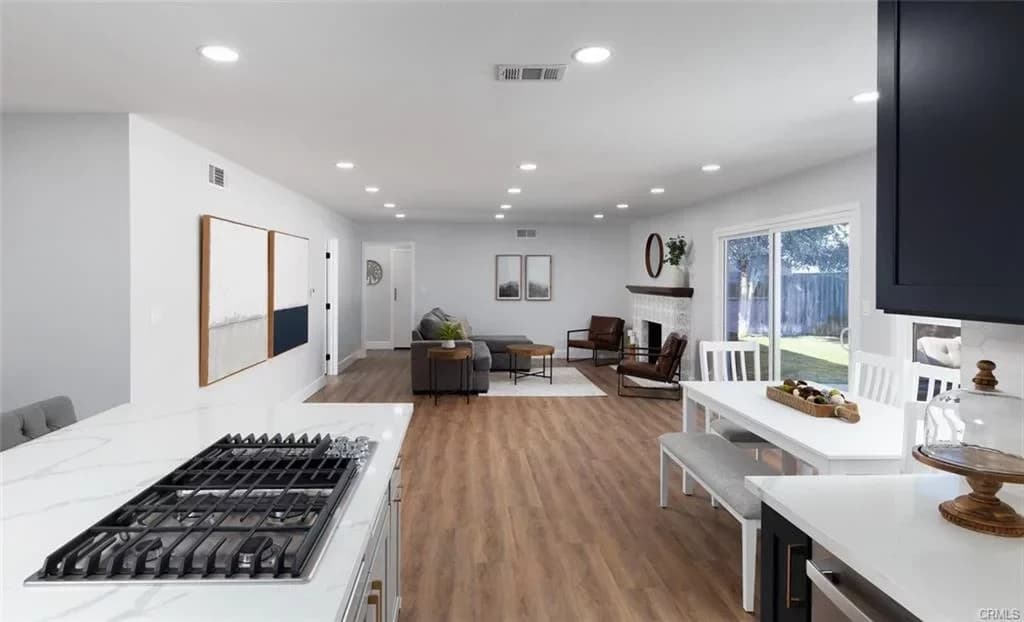
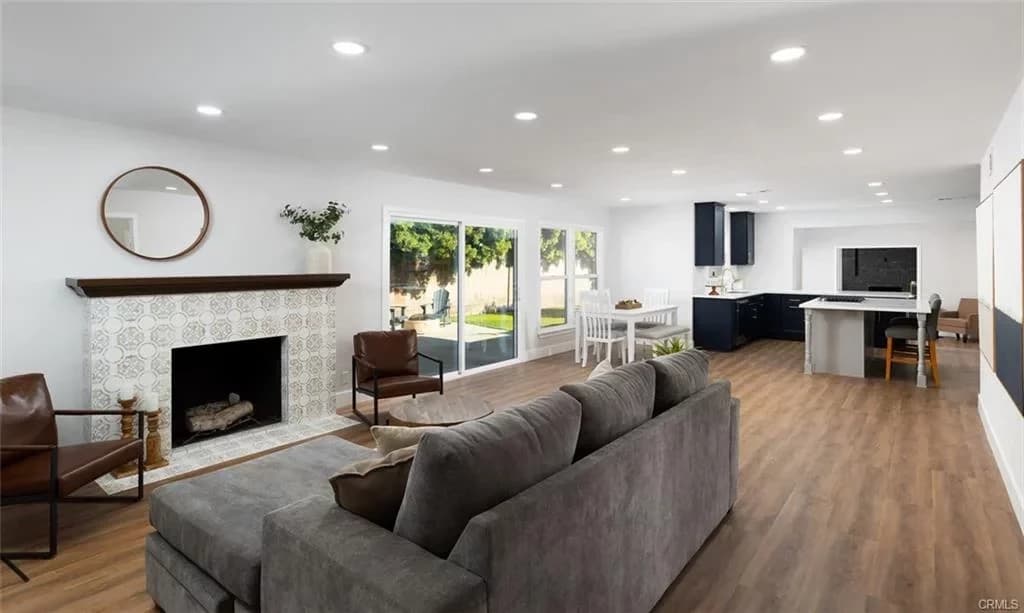
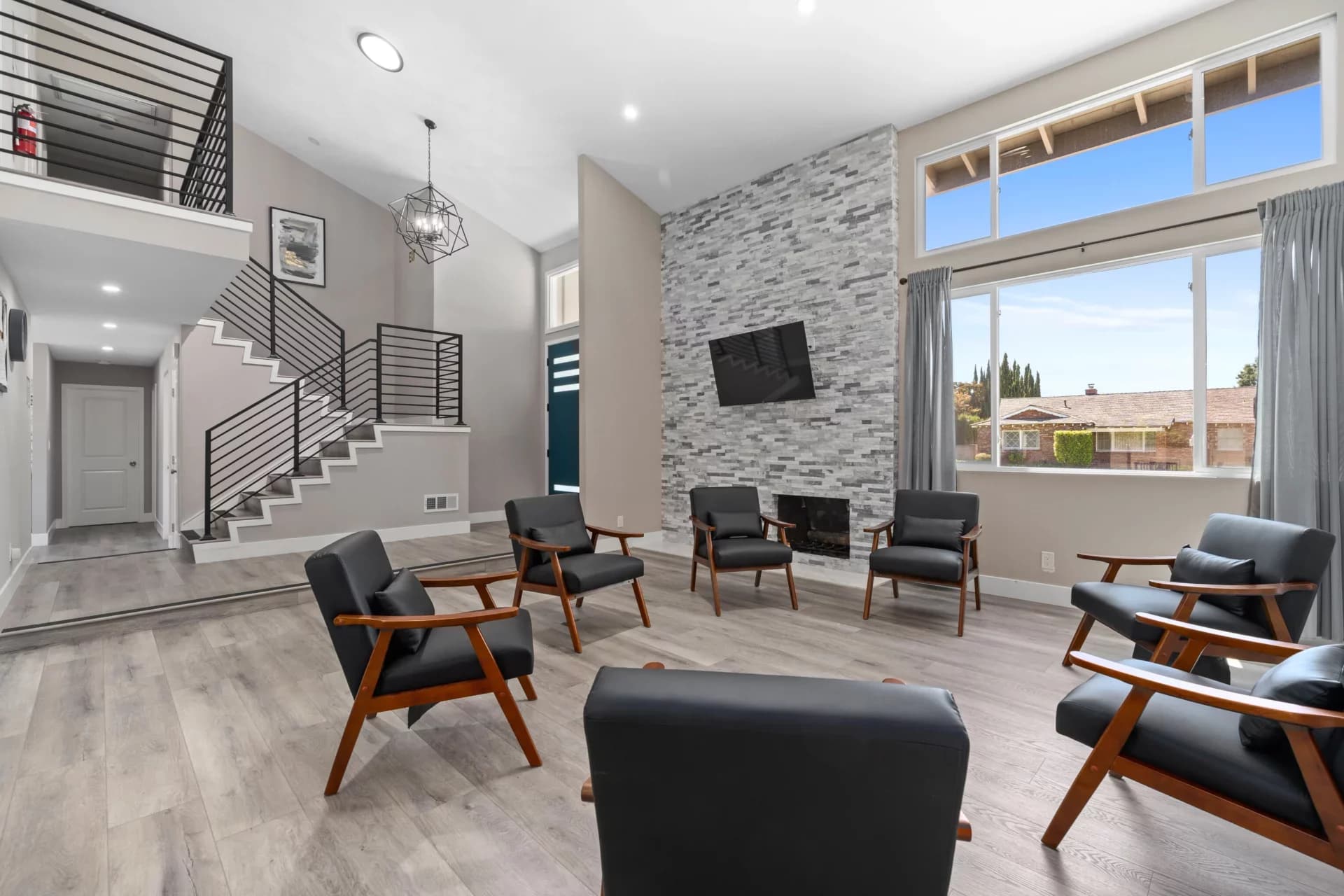
Tour Our Post-Traumatic Stress Disorder Treatment Facilities in Los Angeles























We Accept Most Major Insurance
View our wide selection of accepted providers for our Orange County rehab. Don’t see yours?






A More Supportive Approach to PTSD Care in Los Angeles
PTSD often keeps your body in a constant state of alert, even when you know you're safe. It can make it hard to fully relax, trust your surroundings, or feel comfortable in your own body. Changing that pattern takes more than time—it takes knowledgeable therapy, intentional support, and a place where you can actually begin to work through what you’ve been holding in.
If you've been feeling trapped, misunderstood, and overwhelmed, you’re not alone.
Understanding the therapeutic options available can bring a sense of hope and help you feel more in control as you choose your next step in treatment.
Within [acf field=high_rated_facilities___mile_radius] miles of Los Angeles, there are [acf field=high_rated_facilities___number] programs that maintain ratings of at least [acf field=high_rated_facilities___min_rating] stars with a minimum of [acf field=high_rated_facilities___min_review_count] reviews, reflecting consistent clinical care.
There are also more than [acf field=facilities___number] mental health treatment programs available within [acf field=facilities___mile_radius] of Los Angeles, giving you a range of options to review.
The right kind of care can help you feel more anchored in the present, with less of your day shaped by anxiety and other PTSD symptoms.
If you’re considering PTSD treatment, Connections Mental Health can help you explore options that focus on real, lasting change—not just getting through the moment.
Real relief is possible with the right support.

How Post-Traumatic Stress Disorder Treatment in Los Angeles Supports Lasting Recovery
Research published in JAMA Psychiatry found that trauma-focused treatment leads to meaningful symptom improvement in roughly two-thirds of individuals with post-traumatic stress disorder, showing how structured care can change how trauma is processed over time. Instead of staying stuck in a cycle of reactivity or avoidance, treatment helps you gradually build tolerance to triggers and respond in a more controlled way. This shift makes it easier to stay engaged in daily life without feeling constantly overwhelmed or on edge.
Our post-traumatic stress disorder treatment in Los Angeles offers:
Gradual exposure to triggers in a controlled, manageable way
Skills to reduce physical and emotional reactivity
Support in rebuilding a sense of safety in everyday situations
Tools to stay engaged instead of withdrawing or avoiding
A structured approach that supports long-term stability
We focus on helping you work through reactions as they come up, not just talk about them. That includes learning how to calm your body, stay present during difficult moments, and rebuild confidence in handling everyday situations. Over time, this helps reduce intensity and makes your responses feel steadier and more manageable.
Location Overview
Our clean and modern facilities are located beautiful beaches and a thriving sober community. Clients enjoy easy access to local hiking spots, beaches, restaurants & more nearby.
Close to The Beach
National Parks Nearby
Mild, Comfortable Weather
Strong Local Sober Community
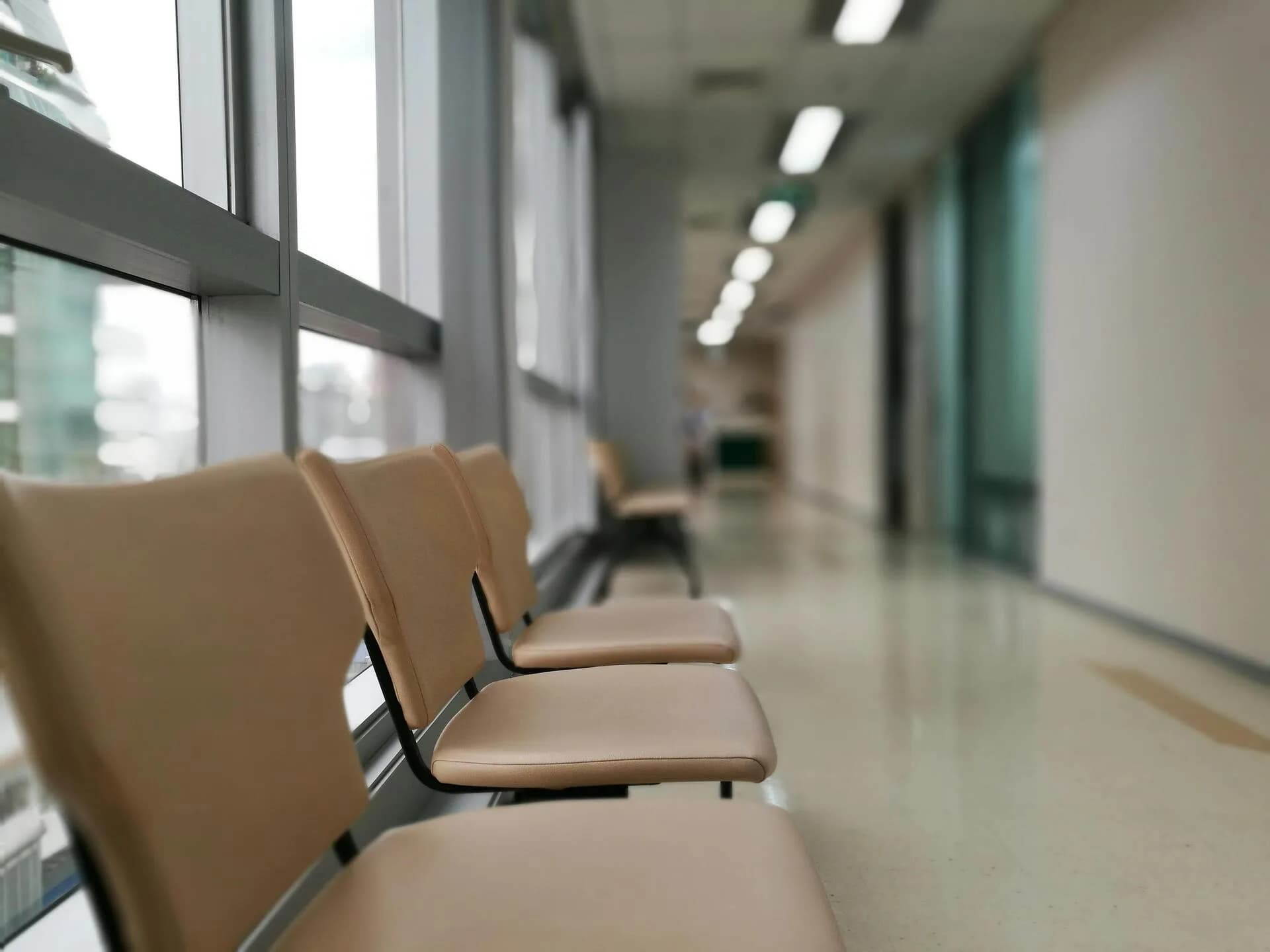

How Traveling in Orange County for Post-Traumatic Stress Disorder Treatment Can Support Recovery
Can stepping away from your current environment actually make it easier to break out of the patterns you’ve been stuck in? For many people, the spaces they’re in every day are closely tied to how their bodies react, making it harder to feel calm or in control. Research published in JAMA Psychiatry found that trauma-focused therapies led to meaningful improvement in symptoms for around 66% of individuals with post-traumatic stress disorder, showing how structured, focused care can create real change. Being in a different setting can help reduce automatic reactions and make it easier to engage without the same emotional pull.
Our clients who have traveled for post-traumatic stress disorder treatment have found:
A clearer separation from environments linked to past stress
More ease in settling into a daily routine
Reduced intensity of reactions in a new setting
Better ability to stay present during therapy
More space to focus on themselves without outside pressure
Orange County, California, provides a setting that feels more open, steady, and less overwhelming than many daily environments. We use that space to help you slow down your responses, build awareness around triggers, and strengthen how you handle them in real time. This helps you move through your day with more control, instead of feeling like your reactions are taking over.
What Sets Our Post-Traumatic Stress Disorder Treatment in Los Angeles Apart?
We offer individuals in Los Angeles a steady, well-supported environment that makes it easier to focus on progress without added overwhelm.
[nav_glbl_var name="why_choose_us_trust_bullets”]
We work with adults 18 and older from a range of backgrounds, including couples, veterans, first responders, and those looking for faith-based support. For those under 18, we can help guide you toward appropriate care options. Our goal is to provide support that feels practical and aligned with your needs so you can move forward with clarity.
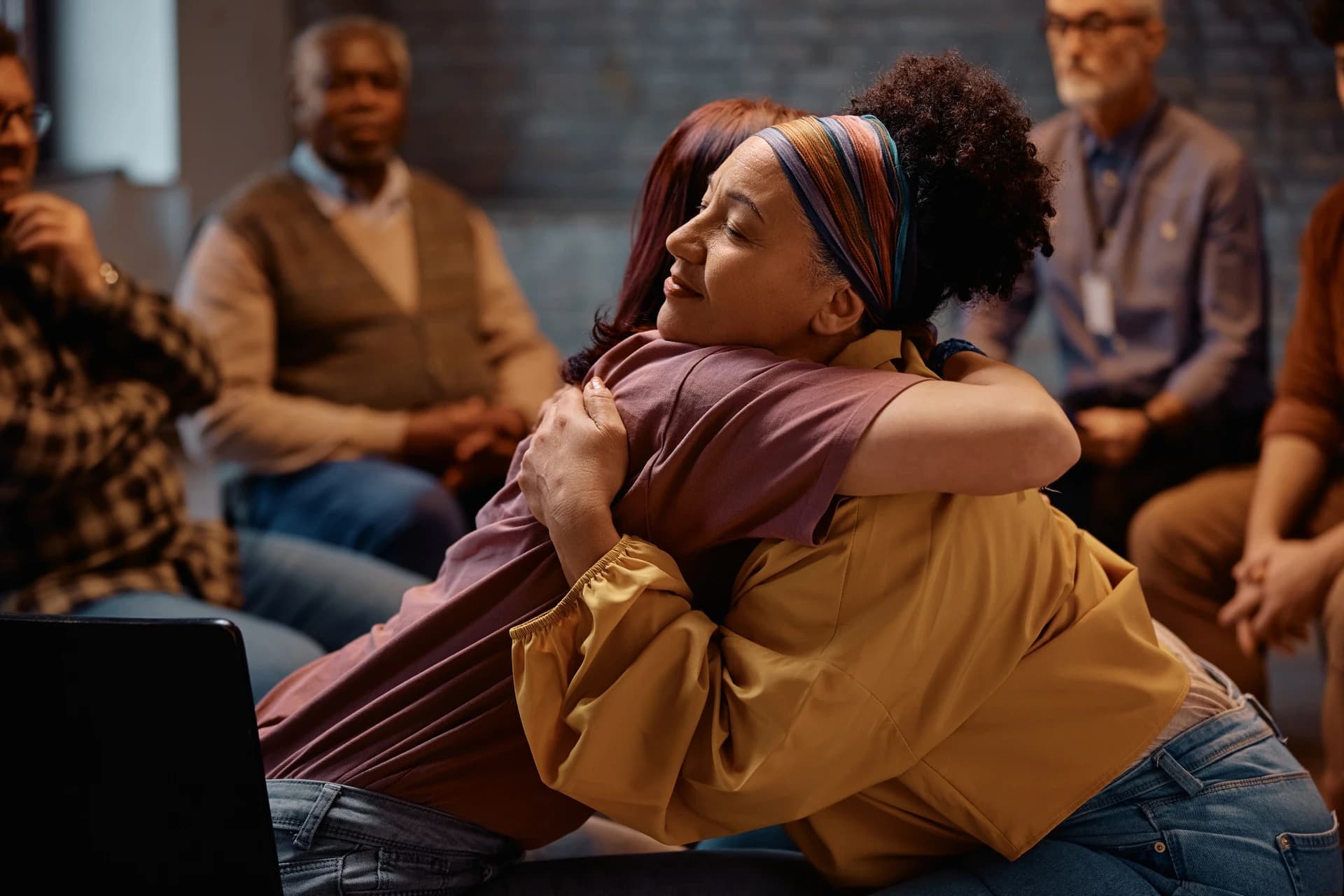
Mental Health Therapies Used in Orange County
Connections Mental Health uses evidence-based mental health therapies backed by the latest advances in mental health treatment and administered by experienced clinicians.
Cognitive Behavioral Therapy (CBT)
CBT helps individuals identify and change negative thought patterns and behaviors that contribute to addiction and mental health challenges. By learning practical coping strategies, clients gain healthier ways to manage stress and triggers in daily life.
Dialectical Behavior Therapy (DBT)
DBT focuses on building emotional regulation, mindfulness, and interpersonal effectiveness skills. It is especially effective for those dealing with intense emotions, self-destructive behaviors, or co-occurring mental health conditions.
Medication-Assisted Treatment (MAT)
MAT combines FDA-approved medications with counseling and behavioral therapies to treat substance use disorders. This approach reduces cravings and withdrawal symptoms, helping clients stay engaged in recovery.
Group & Family Therapy
Group & Family Therapy involves collaborative counseling sessions that bring individuals together with peers or loved ones to build strong support systems and heal relationship dynamics. This approach helps improve communication, foster deep mutual understanding, and provide shared coping strategies that support long-term wellness and collective recovery.
Couples Mental Health Treatment
Couples Mental Health Treatment helps partners navigate relationship conflicts, improve communication, and support each other through mental health challenges. By working together in a supportive space, couples learn to rebuild trust, address emotional triggers, and strengthen their bond for a healthier future together.
Our Treatment Network Locations Across US
Connections Mental Health belongs to a trusted network of mental health treatment centers across the nation.
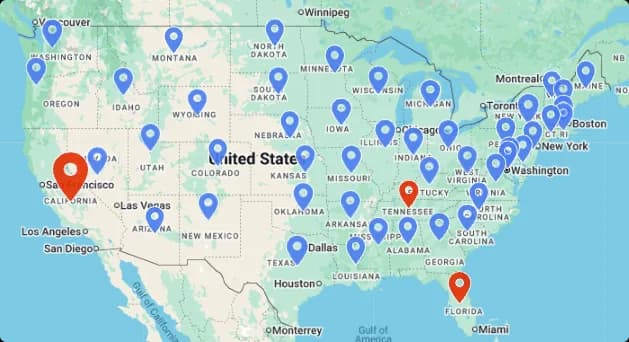
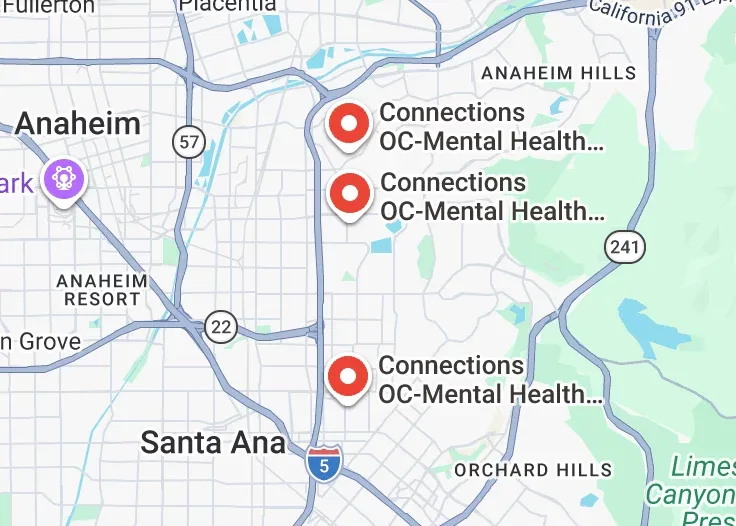
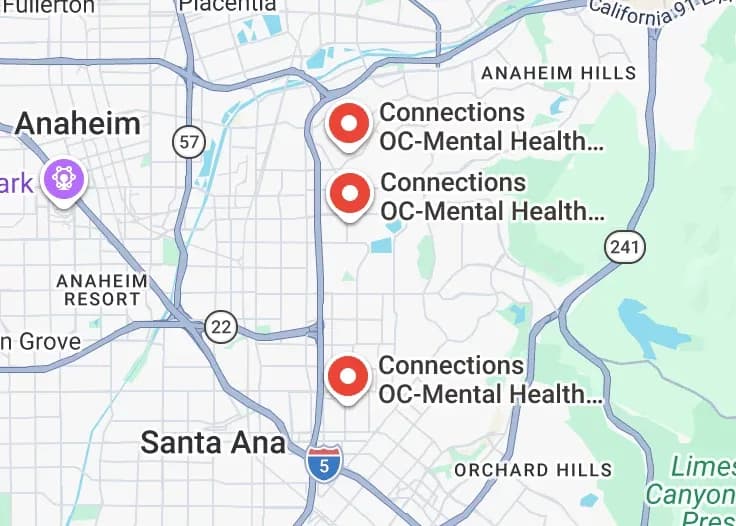
*Red Pins: Our Locations / Blue Pins: States Patients Have Traveled From
What Our Clients Say
5 Star Google Reviews
Evidence-Based Orange County Mental Health Treatment
Evidence-Based Orange County Mental Health Treatment
At our behavioral health treatment center in Orange County, we utilize evidence-based treatments and therapy to bring you or your loved one the highest quality of care, rooted in the most recent psychiatric science.

Cognitive Behavioral Therapy (CBT)
CBT is a structured, evidence-based therapy that helps our clients identify and change negative thought patterns and behaviors that contribute to emotional difficulties, such as anxiety or depression. It focuses on problem-solving and developing healthier coping strategies.

Dialectical Behavior Therapy (DBT)
DBT combines cognitive-behavioral techniques with mindfulness practices to help regulate emotions, manage stress, and improve relationships. It is especially effective for treating borderline personality disorder, self-harm, and chronic suicidal ideation.

Holistic Therapy
Our holistic therapy treatments focus on healing the whole person—mind, body, and spirit—by integrating traditional psychotherapy with alternative treatments such as meditation, yoga, and nutrition. This approach promotes overall well-being and balance.

EMDR (Eye Movement Desensitization and Reprocessing)
EMDR is a therapeutic approach that helps our clients process and heal from trauma by using guided eye movements to reduce the emotional impact of distressing memories. It is particularly effective for treating PTSD and other anxiety-related disorders.

Seeking Safety
Seeking Safety is a trauma-informed therapy designed to help our clients who struggle trauma and PTSD. It emphasizes coping skills, safety, and personal empowerment to reduce the risk of re-traumatization.

Motivational Interviewing
Motivational Interviewing is a counseling approach that encourages our clients to find their own motivation for making positive behavioral changes, often used in mental health treatment and health-related behavior changes.

Medication Management
We offer medication management, which provides careful monitoring and adjustment of psychiatric medications by a healthcare provider to ensure they are effective and properly addressing mental health symptoms. This process may include regular check-ins and dosage adjustments to optimize treatment outcomes.
Individualized Treatment
Our treatment center only sees up to 6 clients at a time, meaning you or your loved one will receive the highest level of care and attention, customized to the specific needs of each individual.
Family-Like Environment
Our founders have been through treatment for mental health themselves, and are passionate about creating an atmosphere where our clients can connect with like-minded individuals and feel like they’re part of a family.
Comfortable & Safe Accommodations
Recovering from a mental health disorder is not easy, so we take the utmost care in providing a treatment program that is safe and comfortable, with 24/7 supervision and support.
Los Angeles Post-Traumatic Stress Disorder Treatment: FAQs
Treatment in Los Angeles focuses on helping you recognize triggers and respond in ways that feel more controlled and manageable.
You’ll start with an evaluation in Los Angeles, followed by a plan that focuses on your experiences and current challenges.
In a residential inpatient program, clients receive continuous therapeutic support, clinical care, and a stable setting designed to help them process trauma and manage PTSD symptoms. Outpatient treatment offers greater flexibility, enabling individuals to attend scheduled therapy sessions while remaining connected to work, school, and family life.
Yes, care in Los Angeles often includes strategies to improve sleep, reduce anxiety, and support overall emotional stability.
Progress in Los Angeles is tracked through regular check-ins and adjustments based on how you’re feeling and functioning.
No, treatment in Los Angeles is paced carefully, allowing you to build comfort before going deeper into difficult experiences.
It’s helpful to understand your goals and be open to a process that builds gradually over time in Los Angeles.
Related Pages
Begin your journey to recovery.
Get evidence-based treatment in a peaceful location, with a team of dedicated, expert staff.
We Accept Most Major Insurance
Take the first step toward better mental health.
Make the process simple. Ensure your benefits cover treatment.
Explore our locations nationwide.
Disorders We Treat
We treat a wide range of mental health conditions with compassion-based techniques and an expert clinical staff. Conditions we treat include:
- Anxiety Disorders
- Mood Disorders
- Trauma Disorders
- Personality Disorders
- Psychotic Disorders
- And More







You’re Not Alone.
Get treatment from a team of expert staff who is passionate about helping you experience peace.
Website Guide Progress...
What most patients want to know before they book