














What is Social Anxiety Disorder?
Social anxiety disorder is an anxiety disorder associated with extreme fear or anxiety in social situations. Individuals with this disorder may have difficulty interacting with others, meeting new people, and participating in social activities. The fear is often centered around being judged, criticized, or embarrassed by others. This anxiety can lead to avoidance of social situations or enduring them with extreme distress. Unlike normal shyness, social anxiety disorder is persistent and can significantly impact a person’s daily life and well-being. While it might feel isolating, social anxiety is a prevalent issue affecting numerous individuals. Many people grapple with these anxieties, although the specific situations that provoke symptoms of social anxiety disorder can vary. For some, anxiety emerges across most social scenarios. Others associate anxiety with specific social contexts, such as conversing with strangers, mingling at gatherings, or performing on stage. Frequent triggers for social anxiety encompass:- Interacting with new individuals
- Engaging in small talk
- Delivering public speeches
- Performing onstage
- Being the focal point of attention
- Facing observation during an activity
- Experiencing teasing or criticism
- Conversing with individuals seen as important or authoritative
- Responding in class
- Going on dates
- Participating in meetings
- Utilizing public restrooms
- Taking exams
- Eating or drinking in public
- Making phone calls
- Attending parties or other social events

Symptoms of Social Anxiety Disorder
There is no direct medical test for social anxiety disorder, but doctors often rely on criteria outlined in DSM-5-TR (Diagnostic and Statistical Manual of Mental Disorders, revised Fifth Edition) to determine its likelihood. ICD 10 social anxiety disorder is diagnosed in line with symptoms in World Health Organization’s International Classification of Diseases. Typically, healthcare professionals will inquire about:- Social anxiety disorder symptoms
- Family history
- Other health conditions
- Substance-related problems
- Personality disorders
- Concerns related to health, obesity, or physical characteristics, like facial burns
Fear of social situations
A strong fear of one or more social situations where scrutiny from others might occur.Apprehension of negative evaluation
An apprehension of acting in ways that could lead to negative evaluation, upsetting others, or causing offense.Consistent fear or anxiety
Fear or anxiety is consistently triggered by specific social situations.Avoidance or endurance
The person either avoids these situations or endures them with intense anxiety or fear.Disproportionate fear
The level of fear experienced is disproportionate to the actual threat posed by the situation.Duration
The fear or anxiety persists for approximately 6 months or longer.Daily disruption
Fear and anxiety significantly disrupt the person’s daily life and functioning.Exclusion of other causes
Other symptoms or health issues cannot adequately explain the experienced fear and anxiety. [/accordion_block]Social Anxiety Disorder Treatments
Various treatment options are available for social anxiety disorder, and their effectiveness varies from person to person. Some individuals may require a single type of treatment, while others might benefit from a combination of therapies. Primary care doctors can provide treatment recommendations or refer patients to psychologists or mental health specialists. Choosing the right treatment involves discussing benefits, risks, and preferences with a healthcare provider. It’s important to address anxiety through a holistic approach for improved overall well-being. Treatment options encompass: [accordion_block]Counseling therapy
Counseling involves discussions, either one-on-one or in groups, which can be conducted face-to-face or online. CBT (cognitive behavioral therapy) teaches techniques to manage anxiety by replacing negative thoughts with positive ones. ACT (acceptance and commitment therapy) focuses on mindfulness and behavioral strategies to live in accordance with your values despite negative emotions.Group therapy or support groups
These settings help individuals learn social skills and strategies for interacting in social situations. Group dynamics offer mutual support and role-playing for practical solutions.Exposure therapy
With professional guidance, exposure therapy involves gradual confrontation of feared social situations to reduce anxiety responses.Medication
Social anxiety disorder medication can alleviate symptoms and improve daily functioning. Medications like SSRIs (selective serotonin reuptake inhibitors) and SNRIs (selective norepinephrine reuptake inhibitors) like paroxetine (Paxil), Sertraline (Zoloft), and venlafaxine (Effexor), are common pharmacological options. Propanolol, a short-acting drug, can also be used as needed.Home remedies
Supporting prescribed treatment, home remedies include stress-reduction techniques like breathing exercises, mindfulness, yoga, and tai chi. Avoiding stimulants like caffeine, establishing a regular sleep routine, and maintaining a balanced diet are also beneficial. [/accordion_block]
FAQs
[accordion_block]What is social anxiety disorder like?
Social anxiety disorder involves feeling extreme fear or anxiety in social situations, leading to avoidance of interactions, physical symptoms like sweating or trembling, and concerns about being judged.
How do you cope with social anxiety?
Coping with social anxiety can involve counseling, CBT (cognitive behavioral therapy), exposure therapy, and medication. Developing relaxation techniques, practicing mindfulness, and engaging in gradual exposure to feared situations can also be helpful.
What triggers social anxiety?
Social anxiety can be triggered by situations involving public speaking, meeting new people, performance evaluations, or any scenario where you feel observed and judged by others.
Is social anxiety a mental disorder?
Yes, social anxiety disorder is a recognized mental disorder characterized by intense anxiety or fear in social settings that impacts daily life and functioning.
Is social anxiety a disability?
While social anxiety itself is not categorized as a disability, severe cases might affect a person’s ability to work, study, or interact with others, potentially leading to disability accommodations in some situations.
[/accordion_block]
Get Treatment for Social Anxiety Disorder at Connections Mental Health
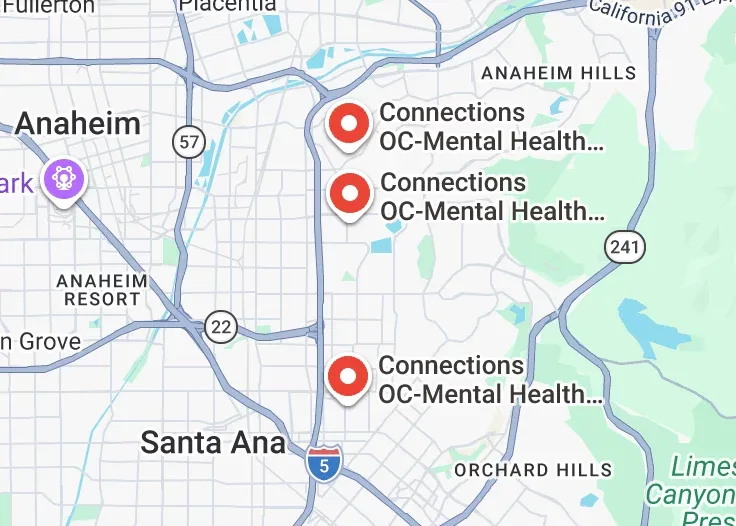
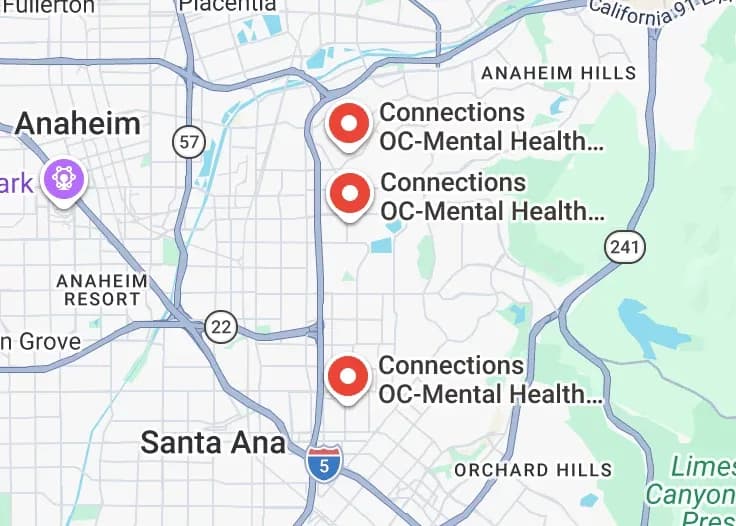
At Connections Mental Health in Southern California, we offer compassionate and personalized social anxiety disorder therapy. Nestled by the beach, our facility provides a nurturing haven for those seeking stability, tranquility, and healing. Our dedicated team integrates holistic and evidence-based therapies, creating a space that feels like home rather than a clinical setting. Whether you or a loved one is struggling with social anxiety, we’re here to provide guidance and support to enhance functioning and mental well-being at Connections Mental Health. Contact admissions today at 888-255-2112 to explore how you can initiate your journey towards recovery in Southern California with social anxiety disorder treatment that blends holistic and science-based interventions for a whole-body approach to healing.