Major depressive disorder (MDD), also known as clinical depression, is a severe mood disorder that involves persistent feelings of sadness and disinterest. MDD can impact emotions, thoughts, and behaviors, leading to emotional and physical challenges. Depression is not a sign of weakness, and it cannot be easily overcome by sheer willpower. Long-term major depressive disorder treatments may include medication, psychotherapy, or a combination of both. Major depressive disorder treatment can be effective in helping people manage and alleviate depression symptoms.
This guide highlights issues that include:
What is major depression disorder?
What is recurrent major depressive disorder?
What are the most effective major depressive disorder therapies?
Is there medication available to treat major depressive disorder?
What are the best major depressive disorder medications?
Treating major depressive disorder: how to connect with major depressive disorder therapy in Southern California.
Get Personalized Addiction Care at The Connections Mental Health
Our rehab centers help men and women who are struggling with addictions, substance abuse and mental health disorders. We also provide treatment exclusively to International Association of Fire Fighters (IAFF) members at our Maryland facility, the IAFF Center of Excellence for Behavioral Health Treatment and Recovery.
Major depressive disorder is a prevalent mental condition characterized by prolonged feelings of sadness and reduced interest or pleasure in activities. Unlike typical mood fluctuations, depression can profoundly impact various aspects of life, including relationships with family, friends, and engagement in daily activities, potentially affecting academic or work performance.
Depression can affect anyone, but it is more common among those who have experienced trauma, significant losses, or high levels of stress. Women are more likely to experience depression than men. According to WHO (World Health Organization), 4% of men and 6% of women in the United States will experience episodes of depression.
Difference Between Major Depressive Disorder vs. Depression
Major depressive disorder, commonly referred to as clinical depression and abbreviated to MDD, affects over 8% of the U.S. population. This severe form of depression is characterized by ongoing and overwhelming feelings of sadness, despair, or emptiness. To be diagnosed with MDD, an individual must experience five or more major depressive disorder symptoms for at least two weeks, and the symptoms must trigger an impairment in functioning.
These are the symptoms of major depressive disorder:
Persistent sadness or feelings of emptiness
Anhedonia (loss of interest in favored activities)
Changes in weight or appetite
Insomnia or excessive sleeping
Fatigue or loss of energy
Difficulty thinking, concentrating, and making decisions
Feelings of guilt or worthlessness
Frequent suicidal thoughts
Major depressive disorder medication combined with talk therapy and counseling typically produces positive treatment outcomes for MDD.
Symptoms of Major Depressive Disorder
Diagnosing MDD involves an evaluation by a doctor or mental health professional, who will assess your symptoms, emotions, and behaviors. Typically, they will ask specific questions or provide a questionnaire to better determine whether MDD or another condition is present.
To receive a diagnosis, you must meet the major depressive disorder criteria outlined in DSM-5-TR (revised fifth edition of APA’s Diagnostic and Statistical Manual of Mental Disorders), a guide used by healthcare professionals to diagnose mental health conditions. Major depressive disorder ICD 10 symptoms are similar.
According to major depressive disorder DSM 5 criteria:
There should be a noticeable change in your previous functioning.
Major depressive disorder symptoms must persist for at least two weeks.
At least one symptom must be either a depressed mood or loss of interest/pleasure.
You should also experience five or more of the following symptoms during the two-week period:
Feeling sad or irritable most of the day, nearly every day.
Reduced interest in activities once enjoyed.
Sudden weight loss or gain, or changes in appetite.
Trouble falling asleep or excessive sleeping.
Feelings of restlessness.
Fatigue or lack of energy.
Feelings of guilt or worthlessness.
Problems with making decisions, thinking, and concentrating.
Thoughts of self-harm or suicide.
Treatment for Major Depressive Disorder
Effective treatments for depression encompass both psychological interventions and medications. Psychological treatments, including talk therapy with professionals and supervised lay therapists, are the first-line approach for depression and may be used alone or combined with antidepressant medications in moderate to severe cases. Self-help manuals, websites, and apps can also facilitate access to psychological treatments. Some of the most effective psychological treatments for depression include behavioral activation, CBT (cognitive-behavioral therapy), interpersonal psychotherapy, and problem-solving therapy.
Major depressive disorder medication typically involves SSRIs (selective serotonin reuptake inhibitors) like fluoxetine. SSRI antidepressants can be prescribed for moderate to severe depression, but they are not necessary for mild depression. Healthcare providers should consider the potential adverse effects of antidepressants and individual preferences when determining the appropriate treatment.
For children, antidepressants should not be used as a treatment for depression, and in adolescents, they should be used with extra caution and not as the first-line treatment. Bipolar disorder requires different medications and treatments.
In addition to professional therapy for major depressive disorder, self-care practices can significantly contribute to managing depression and promoting overall well-being. Engaging in activities you enjoy, staying connected with loved ones, regular exercise, maintaining consistent eating and sleeping habits, avoiding alcohol and illicit drugs, and seeking support from trusted individuals or healthcare providers are essential aspects of self-care.
If you experience thoughts of suicide, remember that you are not alone, and that there is help available. Reach out to someone you trust to talk about your feelings or seek assistance from a healthcare provider or crisis line. You can also reach out to our team at our Orange County depression treatment center. In case of immediate danger, contact emergency services for immediate support.
Major Depressive Disorder FAQ
[accordion_block]
Is MDD the same as depression?
MDD (major depressive disorder) is a specific type of depression characterized by persistent sadness and loss of interest in activities.
What causes major depressive disorder?
The exact cause of MDD is not fully understood, but it is believed to be a combination of genetic, biological, environmental, and psychological factors.
Is MDD and bipolar the same?
MDD and bipolar disorder are not the same. Bipolar disorder involves cycles of mood swings between depression and mania, while MDD primarily involves depressive episodes.
Do people with MDD have manic episodes?
People with MDD do not experience manic episodes. Manic episodes are characteristic of bipolar disorder.
What is the best mood stabilizer for major depression?
The choice of the best mood stabilizer for major depression depends on individual circumstances and should be determined by a qualified healthcare professional after a thorough evaluation of the person’s specific symptoms and medical history.
[/accordion_block]
Get Treatment for Major Depressive Disorder at Connections
At Connections Mental Health in Southern California, we deliver compassionate and personalized compassionate treatment for those battling depression and other mental health conditions.
Our beachside facility provides a welcoming and nurturing environment for those looking for stability, peace, and healing. We have a committed team of experts who combine holistic and science-backed treatments in a center that is expressly designed to feel more like a home than a hospital.
Whether you or someone you know is experiencing episodes of depression, we’re here to guide you and help you to restore functioning and improve your mental health at Connections Mental Health.
Call admissions today to discover how you can kickstart your recovery in Southern California.
Related Blogs
Check out our addiction recovery blog to learn more about substance use disorders and how to get effective treatment.
Insurance may cover residential mental health treatment, but coverage depends heavily on your specific insurance plan, clinical needs, and how care is classified. In many
Hydromorphone, marketed under the brand names Dilaudid and Exalgo, is a potent semi-synthetic opioid pain reliever utilized in hospital settings and as a component of long-term treatment plans for individuals who are tolerant to opioids and experiencing severe pain.
Hydromorphone, marketed under the brand names Dilaudid and Exalgo, is a potent semi-synthetic opioid pain reliever utilized in hospital settings and as a component of long-term treatment plans for individuals who are tolerant to opioids and experiencing severe pain.
Hydromorphone, marketed under the brand names Dilaudid and Exalgo, is a potent semi-synthetic opioid pain reliever utilized in hospital settings and as a component of long-term treatment plans for individuals who are tolerant to opioids and experiencing severe pain.
Hydromorphone, marketed under the brand names Dilaudid and Exalgo, is a potent semi-synthetic opioid pain reliever utilized in hospital settings and as a component of long-term treatment plans for individuals who are tolerant to opioids and experiencing severe pain.
Hydromorphone, marketed under the brand names Dilaudid and Exalgo, is a potent semi-synthetic opioid pain reliever utilized in hospital settings and as a component of long-term treatment plans for individuals who are tolerant to opioids and experiencing severe pain.
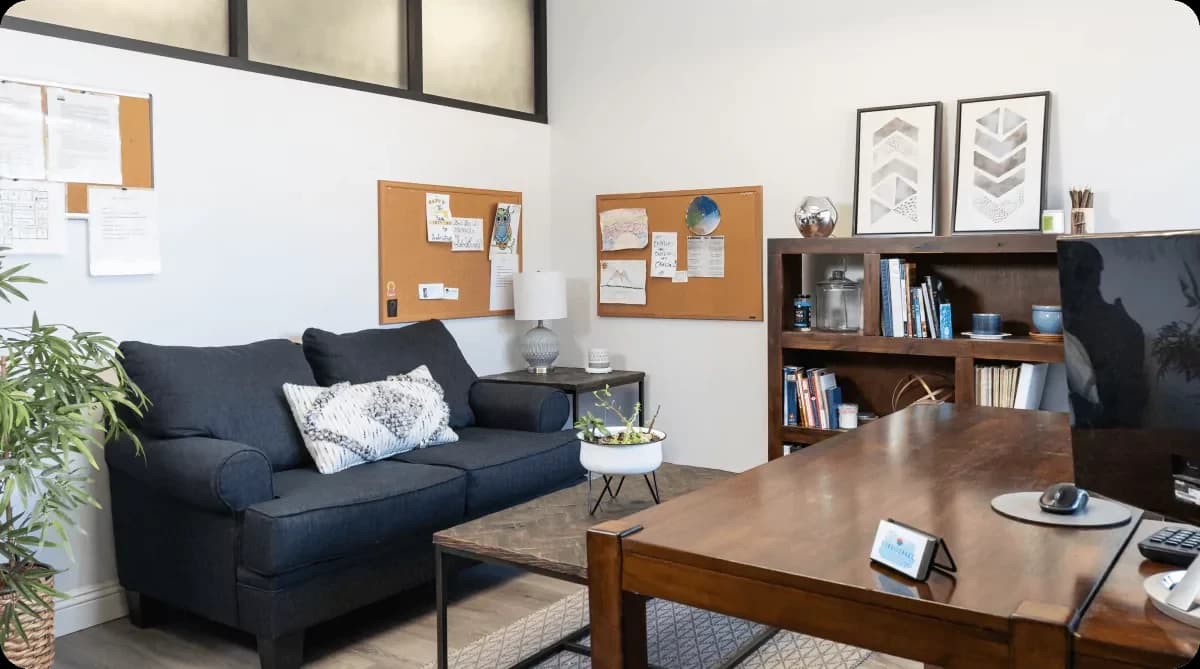
We strive to provide a comfortable, home-like environment during your recovery journey. Browse our facility images below to take a look at our upscale residential facilities.