

Why I should relocate for rehab?


Why I should relocate for rehab?

Why I should relocate for rehab?

Matthew D'Ursov
Amy Leifeste
Karena Mathis
Depression, also known as major depressive disorder or clinical depression, is a widespread yet severe mood disorder that significantly impacts an individual’s thoughts, emotions, and daily functioning.
There are many types of depression, some of which may arise in response to certain triggers or circumstances. For a clinical diagnosis of depression, symptoms must persist for two weeks or more. Although depression can be aggravating and disruptive, it is also treatable.
If you believe that you or a loved one is dealing with depression, call our Orange County depression treatment program and get the recovery process started.
Our rehab centers help men and women who are struggling with addictions, substance abuse and mental health disorders. We also provide treatment exclusively to International Association of Fire Fighters (IAFF) members at our Maryland facility, the IAFF Center of Excellence for Behavioral Health Treatment and Recovery.

Depression is a complex and challenging mood disorder that extends beyond feeling momentarily sad or down. It involves ongoing feelings of overwhelming sadness and a loss of interest in previously enjoyed activities. Depression impacts your emotional state, and it also influences your thoughts and behaviors, triggering dramatic disruptions in day-to-day life.
The effects of depression can manifest in various ways, reducing your ability to perform routine daily activities. Simple tasks that were once manageable may become difficult. Some people with depression struggle to cope with the smallest challenges. At times, depression can create a sense of hopelessness, causing some people to question the value of life itself.
Depression, including crippling depression, is neither a sign of weakness nor something that can be vanquished with a shift in mindset. Rather, depression is a legitimate medical condition with contributing factors that are both physical and psychological. Engaging with long-term depression treatment can help individuals effectively address what causes depression and manage symptoms to improve mood and functioning.
Most people who have depression can experience significant improvements in their mental health by seeking personalized treatment. Treatment may involve a combination of depression medication and/or psychotherapy – talk therapy like CBT (cognitive behavioral therapy). Each person will have a unique experience of depression. Working closely with experienced mental health professionals can help tailor a treatment plan accordingly. To complement science-backed treatment, lifestyle changes, self-care practices, and a robust support system can all help with the management of depression. Exercising regularly, maintaining a balanced diet, getting enough sleep, and utilizing healthy coping techniques to deal with stress can all contribute to a comprehensive approach to combat depression.

Major depressive disorder, commonly referred to as clinical depression and abbreviated to MDD, affects over 8% of the U.S. population. This severe form of depression is characterized by ongoing and overwhelming feelings of sadness, despair, or emptiness. To be diagnosed with MDD, an individual must experience five or more major depressive disorder symptoms for at least two weeks, and the symptoms must trigger an impairment in functioning.
These are the symptoms of major depressive disorder:
Major depressive disorder medication combined with talk therapy and counseling typically produces positive treatment outcomes for MDD.
Depression symptoms can vary widely from person to person. The severity and duration of these symptoms may also differ, especially based on the type of depression an individual is experiencing, for example, seasonal depression will likely only occur in the winter months of the year. Experiencing occasional sadness or low moods does not necessarily indicate depression. However, when these feelings persist and significantly interfere with daily life, it may be a sign of clinical depression. If you are wondering, “Am I depressed”, here are some common signs of depression:
Individuals with depression often experience an overpowering feeling of sadness or emptiness. This emotional state may seem unshakable, making it challenging to find joy or happiness in things that once brought pleasure.
One of the hallmark symptoms of depression is anhedonia, where the person loses interest or pleasure in activities they used to enjoy. Hobbies, social interactions, or favorite pastimes may no longer hold the same appeal, contributing to a sense of disconnection from life.
Depression can influence appetite, leading to significant changes in eating habits. Some individuals may experience increased cravings and overeats, resulting in weight gain, while others may have a reduced appetite and experience weight loss.
Insomnia or hypersomnia (excessive sleep) are common sleep disturbances associated with depression. Insomnia may manifest as difficulty falling asleep, frequent awakenings during the night, or waking and being unable to fall back asleep.
Feeling persistently tired or experiencing a lack of energy, even after adequate rest, is a common symptom of depression. Tasks that were once manageable may become overwhelming and exhausting.
Depression can lead to a profound sense of worthlessness or excessive guilt over perceived shortcomings or past mistakes. These feelings may be irrational and disproportionate to the circumstances.
Depression can impair cognitive function, making it challenging to concentrate, focus, or make decisions. Memory may also be affected, making it harder to recall information or follow through with tasks.
Some people with depression may experience physical symptoms such as headaches, stomachaches, muscle pain, or other unexplained bodily discomforts.
In severe cases, individuals with depression may have recurrent thoughts of death or suicidal ideation. If you or someone you know is experiencing thoughts of suicide, seek immediate help from a mental health professional or a helpline.
Depression can manifest physically through symptoms such as fatigue, disrupted sleep patterns, changes in appetite and weight, headaches, muscle aches, and even digestive issues, illustrating the intricate connection between mental and physical well-being.

If you are experiencing symptoms of depression, consider seeking treatment, as depression is a serious medical condition that can significantly impact your overall well-being and quality of life. While it’s normal to face challenges and occasional low moods, clinical depression is more than just feeling down. It is a mood disorder that can affect how you think, feel, and behave, often leading to ongoing feelings of sadness, hopelessness, and reduced interest in daily activities, even for those with high-functioning depression.
Acknowledging and validating your emotions is the first step toward healing. Seeking treatment allows you to talk to a professional who can help you understand your feelings and provide support during this challenging time. Beyond this, a mental health professional can accurately diagnose depression based on your symptoms, medical history, and other relevant factors. Proper diagnosis is essential to create an effective treatment plan tailored to your specific needs.
Depression can have a profound impact on various aspects of your life, including relationships, work, and overall functioning. With appropriate treatment, you can experience significant improvements in mood and regain your ability to engage in daily activities that bring joy and fulfillment. Untreated depression, by contrast, can lead to several complications, including worsening of symptoms, increased risk of self-harm or suicide, substance abuse, and physical health problems. Seeking treatment early can help prevent these potential risks.
Depression treatment is not a one-size-fits-all approach. Mental health professionals can offer various treatment options, such as talk therapy, medication, or a combination of both, depending on the severity of your symptoms and personal preferences.
Additionally, engaging in therapy or support groups provides a safe and supportive environment where you can express your feelings openly, gain coping skills, and receive guidance from experienced professionals.
Treatment for depression equips you with coping strategies to manage negative thoughts and emotions, improve self-esteem, and enhance resilience to face life’s challenges. Addressing depression with professional help can lead to lasting benefits. Many individuals find that as they work through their depression, they develop a deeper understanding of themselves, enhance emotional well-being, and build more fulfilling lives.
If you or someone you know is experiencing symptoms of depression, reach out for help. You can start by talking to a primary care physician or seeking assistance from a mental health professional, such as a psychologist, psychiatrist, or counselor. Remember, seeking help is a sign of strength, and with the right treatment and support, depression can be managed effectively, allowing you to lead a happier and healthier life.
The 4 major types of depression are MDD (major depressive disorder), bipolar disorder (bipolar depression, previously known as manic depression), PDD (persistent depressive disorder), and SAD (seasonal affective disorder or seasonal depression).
The main 3 symptoms of depression are persistent sadness, reduced pleasure or interest in activities, and disrupted sleep patterns or appetite.
Although there is no single cause of depression, factors like genetics, biochemistry, personality traits and environmental factors can all contribute to its development.
During a depressive episode, individuals may experience overwhelming sadness, lack of motivation, changes in appetite, difficulty concentrating, and feelings of hopelessness.
Untreated depression can lead to severe impairments in daily functioning, relationship problems, substance abuse, and an increased risk of suicide or self-harm.

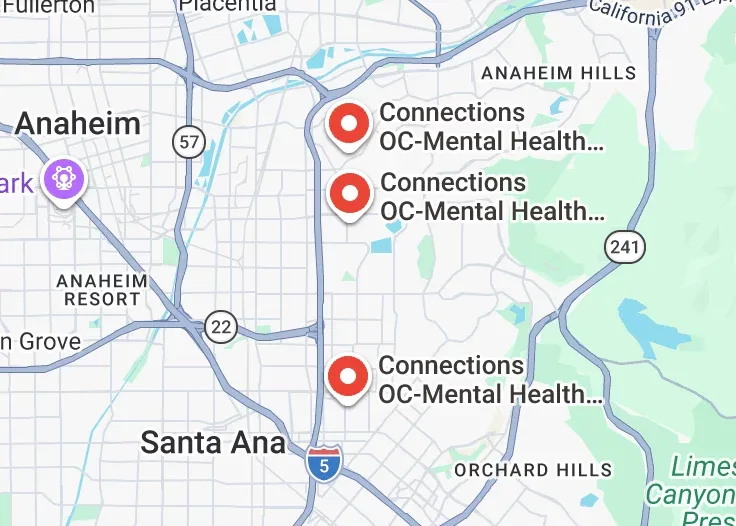
At Connections Mental Health in Southern California, we pride ourselves on delivering individualized and compassionate treatment for those grappling with depression and other mood disorders. Our depression treatment center in Orange County provides a safe, nurturing environment where those seeking stability can find healing and peace. With our team of expert staff dedicated to personalized care, we are committed to helping people experience profound healing while developing lasting connections.
At Connections Mental Health, engage with cutting-edge treatments that are evidence-based and grounded in the most current psychiatric science. Benefit from 24/7 supervision with at least two staff members present at all times to prioritize your safety and well-being.
Whether you or a loved one is experiencing episodes of major depressive disorder, we’re here to support you and help you restore daily functioning and sound mental health. Engage with compassionate treatment that blends science-backed interventions and holistic therapies, and take the first step towards a brighter future at Connection’s Orange County depression treatment centers.
Call us today at 888-255-2112 to learn more about our depression treatment in Orange County and our personalized treatment plans and begin your journey to healing at Connections.
Check out our addiction recovery blog to learn more about substance use disorders and how to get effective treatment.

We strive to provide a comfortable, home-like environment during your recovery journey. Browse our facility images below to take a look at our upscale residential facilities.

Paying Out Of Pocket without Insurance
If you can’t pay your co-pay amount
Paying Out Of Pocket with Insurance
(Depending on insurance plan)
View our wide selection of accepted providers. Don’t see yours? Call our admissions team for help.

Get treatment from a team of expert staff who is passionate about helping you experience peace.
Why I should relocate for rehab?


Why I should relocate for rehab?

Why I should relocate for rehab?

Learn more about the individual mental health disorders we treat by clicking a button below.