About Us

About Us

Effective residential inpatient mental health treatment.

Get to know us
Who We Are
  • Staff
  • Our Facilities
Resources
  • Blog
  • FAQ
  • Insurance Verification
  • Reviews
Areas We Serve

Why I should relocate for rehab?

Menu CTA Image
Locations

Locations

Choose from our beautiful locations near beaches & national parks.

888-255-2112
California
  • Orange County
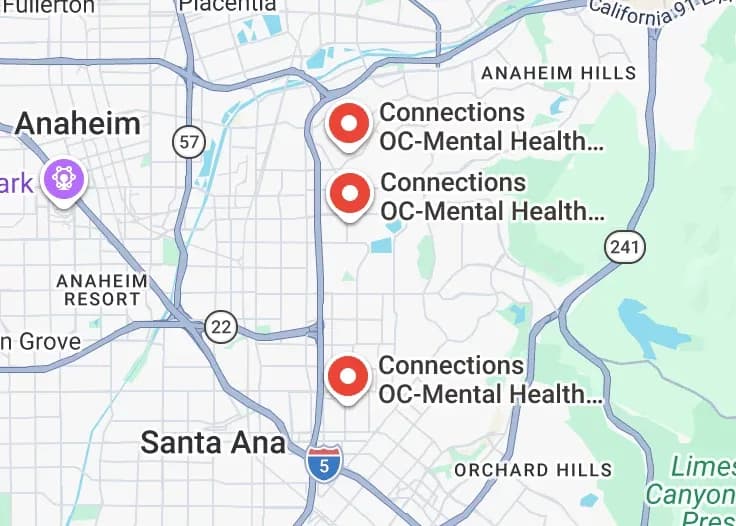
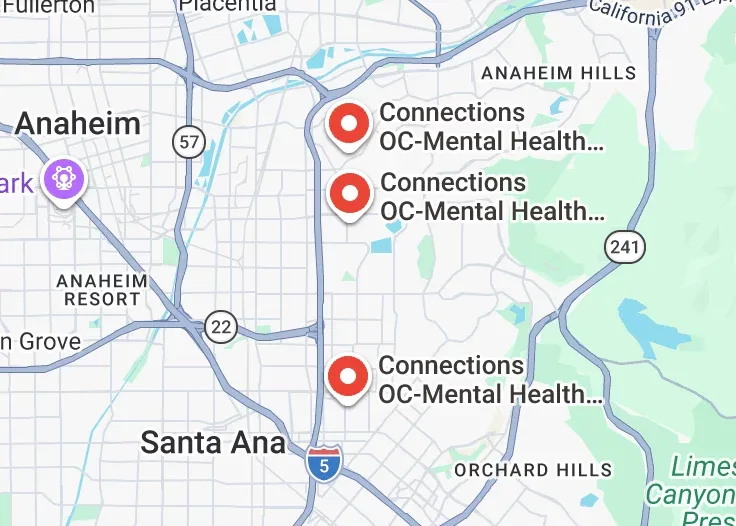
    Tustin, CATustin, CAVilla Park, CAVilla Park, CAOrange, CAOrange, CA
    Location Preview
Tustin, CATustin, CAVilla Park, CAVilla Park, CAOrange, CAOrange, CA
Location Preview
Tustin, CATustin, CAVilla Park, CAVilla Park, CAOrange, CAOrange, CA
Location Preview
Areas We Serve

Why I should relocate for rehab?

Menu CTA Image
Mental Health Disorders
Anxiety Disorders
  • Generalized Anxiety Disorder
  • Panic Disorder
  • Obsessive Compulsive Disorder
  • Social Anxiety Disorder
  • Agoraphobia
Mood Disorders
  • Depression Treatment (MentalHealth National)
  • Bipolar Disorder
  • Premenstrual Dysphoric Disorder
  • Disruptive Mood Dysregulation Disorder
  • Major Depressive Disorder
  • Persistent Depressive Disorder
  • Seasonal Affective Disorder
Trauma Disorders
  • Post Traumatic Stress Disorder
  • Adjustment Disorder
Personality Disorders
  • Borderline Personality Disorder
  • Antisocial Personality Disorder
  • Dissociative Identity Disorder
  • Histrionic Personality Disorder
  • Paranoid Personality Disorder
Psychotic Disorders
  • Schizophrenia
  • Schizoaffective Disorder
Neurodevelopment Disorder Treatment (MentalHealth National)
  • ADHD
Areas We Serve

Why I should relocate for rehab?

Menu CTA Image
Mental Health Treatment

Mental Health Treatment

Get dual-diagnosis treatment for SUD and mental health

888-255-2112
  • Cognitive Behavioral TherapyCognitive Behavioral Therapy
  • Dialectical Behavioral TherapyDialectical Behavioral Therapy
  • Seeking Safety TreatmentSeeking Safety Treatment
  • Motivational InterviewingMotivational Interviewing
  • Medication ManagementMedication Management
Areas We Serve

Why I should relocate for rehab?

Menu CTA Image
Contact
657-298-1982
657-298-1982
Skip to content

What Is Anorexia Nervosa?

Picture of Written By:
Written By:

Matthew D'Ursov

Picture of Content Manager:
Content Manager:

Amy Leifeste

Picture of Editor:
Editor:

Karena Mathis

Posted On
February 27, 2024

Treatment Guidance Website Tour

After reading this current page, click on the next page we recommend here, or at the bottom of this page.

Anorexia nervosa, commonly referred to simply as anorexia, is an eating disorder associated with obsessive behaviors around losing weight and heavily restricting food intake. Many people with this condition also have a distorted view of their bodies, perceiving themselves being a much different size than they actually are.

People with anorexia might adopt unusual eating behaviors as a way to manage feelings of stress, anxiety, and low self-esteem, finding that restricting their food intake provides a semblance of control over their lives.

The disorder impacts more women more than men and typically begins in adolescence. The prevalence of anorexia nervosa among young women aged 15 to 19 has been on the rise every decade since the 1930s.

If you are concerned about anorexia manifestations in yourself or a loved one, this guide explores the following issues:

  • What is anorexia nervosa?
  • What is a defining characteristic of anorexia nervosa?
  • What is the prognosis of anorexia nervosa?

Understanding Anorexia Nervosa

Anorexia nervosa, often shortened to anorexia, is a severe mental health condition where individuals severely restrict their food and drink intake. Those affected may establish strict dietary rules, dictating what, when, and where they can eat. This disorder is not limited by age, gender, ethnicity, or background, and while it may result in low body weight, the severity of someone’s illness cannot solely be judged by their weight alone.

Individuals struggling with anorexia often engage in excessive exercise, induce vomiting, or misuse laxatives to eliminate consumed food. Additionally, some may go through periods of binge eating followed by purging, further complicating their relationship with food and their body.

image of woman representing what is anorexia

Anorexia Nervosa Signs and Symptoms

Identifying anorexia involves looking beyond physical appearance, as the disorder extends to mental and behavioral dimensions as well as physical manifestations. Individuals with anorexia might not always appear underweight, though. Those with larger body sizes can also suffer from the condition, although they may face delayed diagnosis due to societal biases. Conversely, being underweight does not automatically imply anorexia either.

Developing an awareness of anorexia nervosa symptoms can help inform timely intervention and appropriate treatment.

Emotional and mental indicators include:

  • Extreme fear of weight gain.
  • Distorted body image and denial of low body weight.
  • Preoccupation with dieting, calories, and food.
  • Persistent feelings of being overweight.
  • Avoidance or fear of specific foods.
  • High levels of self-criticism and a need for control.
  • Mood swings, including irritability, depression, and thoughts of self-harm.

Behavioral symptoms include:

  • Altering eating patterns, such as peculiar food arrangements or avoiding meals.
  • Avoiding certain foods or entire food groups suddenly.
  • Expressing constant concerns about being “fat.”
  • Engaging in purging behaviors or using diet aids excessively.
  • Habitually exercising to an extreme degree.
  • Preparing meals for others without eating.
  • Wearing baggy clothes to conceal body shape and combat cold.
  • Isolating from social interactions and activities.

Physical signs include:

  • Noticeable weight loss or failure to maintain a healthy weight.
  • Physical repercussions of malnutrition, including dizziness, fatigue, and cardiovascular issues.
  • Symptoms related to starvation – cold intolerance, menstrual irregularities, and gastrointestinal discomfort.
  • Signs of deteriorating physical health like muscle weakening, skin and hair problems, and slowed healing.

Understanding these diverse signs of anorexia is vital for recognizing the disorder in oneself or others, emphasizing the need for professional help to address both the physical and psychological aspects of the condition. What causes anorexia nervosa, then?

What Is the Cause of Anorexia Nervosa?

The causes of anorexia and other eating disorders are multifaceted and not entirely understood. However, a blend of genetic predispositions, psychological factors, and environmental influences is believed to contribute to their development.

Factors implicated in the onset of anorexia include:

  • Environment and culture: Societal pressures and cultural norms that glorify thinness can play a significant role in fostering anorexia. The association of thinness with success, beauty, and happiness in media and advertising intensifies the drive towards unrealistic body ideals.
  • Peer pressure: For young people especially, the influence of peers can be significant. Bullying, teasing, or criticism about weight or appearance can trigger or exacerbate issues with body image and eating behaviors.
  • Genetics: Studies indicate that genetics account for about 50% to 80% of the predisposition to eating disorders. Having a close relative with an eating disorder markedly increases the risk. Beyond this, alterations in brain chemistry – particularly in the reward system and neurotransmitters like serotonin and dopamine – might influence eating habits, mood, and self-control.
  • Emotional health: Traits such as perfectionism, impulsiveness, and strained relationships can erode self-esteem and self-perception, making someone more susceptible to anorexia.
  • Peer pressure: For young people especially, the influence of peers can be significant. Bullying, teasing, or criticism about weight or appearance can trigger or worsen issues with body image and eating behaviors.

Eating disorders like anorexia don’t have a single cause, though. For many, what starts as an unhealthy method of coping can evolve into persistent disordered eating behaviors. As with all aspects of anorexia, this does not happen to everyone who experiences this disorder.

What Type of Disorder Is Anorexia Nervosa?

Anorexia nervosa is classified as an eating disorder and serious mental health disorder, characterized by a distorted body image and an extreme fear of gaining weight, leading those with this condition to restrict their food intake severely.

Anorexia nervosa is a disorder that involves both psychological and physical aspects and can have severe health consequences. Anxiety and obsessive-compulsive traits often co-occur alongside anorexia, and may be misdiagnosed at first. If you think you or a loved one may be struggling with anorexia, it’s best to consult a licensed mental health practitioner for a proper diagnosis and treatment protocol.

FAQs

What is the definition of anorexia nervosa?

Anorexia nervosa is an eating disorder that’s characterized by a chronic fear of gaining weight, leading to restricted food intake, an extremely low body weight, and an obsessive desire to be thinner.

What is anorexia treatment like?

Treatment for anorexia involves a comprehensive approach that includes nutritional counseling, psychotherapy like CBT (cognitive behavioral therapy), and medical monitoring. Medications may be used to treat co-occurring mental health conditions like anxiety or depression.

people hugging each other representing learning about anorexia nervosa

Get Treatment for Mental Health Disorders at Connections

If you or someone that you care about needs treatment for a mental health condition, we can help you at Connections Mental Health in Southern California.

All mental health disorders are unique and everyone has different requirements. We create highly personalized treatment plans that enable each individual to address issues involving disordered mental health in the most effective way for each client.

By choosing to engage with inpatient treatment at Connections, you can expect to improve your overall well-being and restore everyday functioning, even if anorexia nervosa is creating complications in your life.

We admit just 6 people at one time, providing you with the benefits of one-on-one support and compassionate 24/7 care.

Call 844-759-0999 today and start fighting back against mental health disorders with the guidance of experienced and compassionate mental health professionals.

PrevPrevious Post
Next PostNext

Related Articles

January 16, 2026

Does Insurance Cover Residential Mental Health Treatment?

October 7, 2025

Why Do I Feel Like Everyone Hates Me?

September 18, 2025

Overstimulated Meaning

Share This Article

Related Blogs

Check out our addiction recovery blog to learn more about substance use disorders and how to get effective treatment.

Does Insurance Cover Residential Mental Health Treatment?

What Is the Goal of Therapy?

Why Do I Feel Like Everyone Hates Me? Tips & What to Do

What Are Common Signs of Overstimulation in Adults?

What to Expect at an Inpatient Behavioral Health Hospital

Residential vs. Inpatient Mental Health Treatment

How to Admit Yourself to a Mental Hospital?

When To Seek Inpatient Mental Health Treatment At A Hospital

Inpatient Mental Health Crisis Treatment

How Long is Residential Mental Health Treatment?

What is Real Event OCD? Signs, Symptoms, and Treatment

What Is Harm OCD? Signs, Symptoms, and Treatment

Why Do I Zone Out So Much? Causes & What To Do

Sertraline (Zoloft) - Uses, Side Effects, and More

What is existential OCD: Signs, Symptoms, Triggers, & Treatment

Hyperfixation vs. Obsession: What’s the difference?

Am I Going Crazy? Understanding Your Mental Health Concerns

Are Your Nightmares Actually Trying to Warn You About Something?

What Is Obsessive Love Disorder? Symptoms, Causes, & Treatment

What Is Hyperfixations? How to Manage It

Best Residential Outpatient Rehab Mental Health Centers in the Country

Best Residential IOP Rehab Mental Health Centers in the Country

Best Residential DBT Therapy Mental Health Centers in the Country

Best Residential EMDR Therapy Mental Health Centers in the Country

Best Residential Depression Treatment Mental Health Centers in the Country

Depression Treatment near Yorba Linda (Residential Mental Health Treatment Centers)

Depression Treatment near Westminster (Residential Mental Health Treatment Centers)

Villa Park Depression Treatment (Residential Mental Health Treatment Centers)

Tustin Depression Treatment (Residential Mental Health Treatment Centers)

Depression Treatment near Stanton (Residential Mental Health Treatment Centers)

Depression Treatment near Seal Beach (Residential Mental Health Treatment Centers)

Depression Treatment near Santa Ana (Residential Mental Health Treatment Centers)

Depression Treatment near San Juan Capistrano (Residential Mental Health Treatment Centers)

Depression Treatment near San Clemente (Residential Mental Health Treatment Centers)

Depression Treatment near Rancho Santa Margarita (Residential Mental Health Treatment Centers)

Rehabs near Orange County FAQs

What types of mental health programs are available in Orange County?

Mental health programs near Orange County offer a full continuum of care, including inpatient treatment, partial hospitalization (PHP), intensive outpatient (IOP), and standard outpatient (OP) services. Whether you’re looking for structured care or flexible support, mental health treatment programs are designed to meet a range of needs.

How do I know if I need mental health treatment near Orange County?

If you’re experiencing persistent feelings of anxiety, depression, stress, mood changes, difficulty coping with daily responsibilities, or emotional challenges that are affecting your work, relationships, or overall well-being, it may be time to seek professional support. A mental health assessment can help determine the level of care that’s right for you and connect you with the appropriate treatment options.

What mental health conditions are treated at Orange County mental health centers?

Mental health treatment centers in Orange County commonly provide care for conditions such as anxiety disorders, depression, bipolar disorder, PTSD, trauma-related disorders, OCD, mood disorders, and other emotional or behavioral health concerns. Treatment plans are personalized to each individual’s unique needs, goals, and clinical recommendations.

Will my insurance cover mental health treatment in Orange County?

Many major insurance providers offer coverage for mental health services, including partial hospitalization (PHP), intensive outpatient (IOP), and outpatient treatment programs. Coverage varies by plan, so verifying your benefits with the treatment center can help you understand your available options and any potential out-of-pocket costs.


Website Guide Progress...

What most patients want to know before they book

1Protect your job while you come to treatmentNEXT2Can Insurance cover rehab treatment?NEXT3Why Traveling or Staying Close to home can both be great options.NEXT4Locations & GalleriesNEXT5Staff pageNEXT6ReviewsNEXT7What to bring to treatmentNEXT8Treatment & Therapies we provideNEXT9Admissions ProcessNEXT10Contact UsNEXT11Residential Inpatient vs Hospital InpatientNEXT

You’re Not Alone.

Get treatment from a team of expert staff who is passionate about helping you experience peace.

Call Now
an image of the Connections Mental Health logo

Tustin
DHCS # MHBL240478
Exp 1/10/27

Joint Commission HCO ID: 690880
Effective Date: 3/8/2025

Villa Park
DHCS #MHBL240509
Exp 9/4/26

Joint Commission HCO ID: 690880
Effective Date: 3/8/2025

Orange
DHCS #MHBT260570
Exp 4/8/27

Joint Commission HCO ID: 690880
Effective Date: 3/8/2025

  • 17811 Bigelow Park, Tustin, CA 92780
  • 17841 Lincoln St Villa Park, CA 92861
  • 2403 N Shady Forest Ln Orange, CA 92867
  • Privacy Policy
  • Sitemap
About Us

About Us

Effective residential inpatient mental health treatment.

Get to know us
Who We Are
  • Staff
  • Our Facilities
Resources
  • Blog
  • FAQ
  • Insurance Verification
  • Reviews
Areas We Serve

Why I should relocate for rehab?

Menu CTA Image
Locations

Locations

Choose from our beautiful locations near beaches & national parks.

888-255-2112
California
  • Orange County
    Tustin, CATustin, CAVilla Park, CAVilla Park, CAOrange, CAOrange, CA
    Location Preview
Tustin, CATustin, CAVilla Park, CAVilla Park, CAOrange, CAOrange, CA
Location Preview
Tustin, CATustin, CAVilla Park, CAVilla Park, CAOrange, CAOrange, CA
Location Preview
Areas We Serve

Why I should relocate for rehab?

Menu CTA Image
Mental Health Disorders
Anxiety Disorders
  • Generalized Anxiety Disorder
  • Panic Disorder
  • Obsessive Compulsive Disorder
  • Social Anxiety Disorder
  • Agoraphobia
Mood Disorders
  • Depression Treatment (MentalHealth National)
  • Bipolar Disorder
  • Premenstrual Dysphoric Disorder
  • Disruptive Mood Dysregulation Disorder
  • Major Depressive Disorder
  • Persistent Depressive Disorder
  • Seasonal Affective Disorder
Trauma Disorders
  • Post Traumatic Stress Disorder
  • Adjustment Disorder
Personality Disorders
  • Borderline Personality Disorder
  • Antisocial Personality Disorder
  • Dissociative Identity Disorder
  • Histrionic Personality Disorder
  • Paranoid Personality Disorder
Psychotic Disorders
  • Schizophrenia
  • Schizoaffective Disorder
Neurodevelopment Disorder Treatment (MentalHealth National)
  • ADHD
Areas We Serve

Why I should relocate for rehab?

Menu CTA Image
Mental Health Treatment

Mental Health Treatment

Get dual-diagnosis treatment for SUD and mental health

888-255-2112
  • Cognitive Behavioral TherapyCognitive Behavioral Therapy
  • Dialectical Behavioral TherapyDialectical Behavioral Therapy
  • Seeking Safety TreatmentSeeking Safety Treatment
  • Motivational InterviewingMotivational Interviewing
  • Medication ManagementMedication Management
Areas We Serve

Why I should relocate for rehab?

Menu CTA Image
Contact
Verify Insurance
Call Now

Where Lasting Mental Health Treatment Truly Begins

Connect with our compassionate clinicians to get a personalized mental health treatment plan designed around your needs.
844-759-0999

Learn more about the individual mental health disorders we treat by clicking a button below.

Schizophrenia Disorder
Schizoaffective Disorder
Premenstrual Disphoric Disorder (PMDD)
Cyclothymia
Hypomania
Major Depressive Disorder (MDD)
Disruptive Mood Disregulation Disorder (DMDD)Disorder
Persistent Depressive Disorder (PDD)
ADHD
Social Anxiety Disorder
Major Depressive Disorder (MDD)
Disruptive Mood Disregulation Disorder (DMDD)Disorder
Persistent Depressive Disorder (PDD)
ADHD
Social Anxiety Disorder
Autism Spectrum Disorder (ASD)
Generalized Anxiety Disorder
Social Anxiety Disorder
Agoraphobia
Separation Anxiety Disorder
Dissociative Panic Disorder
Antisocial Personality Disorder
Paranoid Personality Disorder
Adjustment Disorder
Borderline Personality Disorder
USERJOURNEYGUIDE
Website GuideHand-picked pages that help our visitors
0 of 11 visited
  • 1Protect your job while you come to treatment+ Recommended next step
  • 2Can Insurance cover rehab treatment?
  • 3Why Traveling or Staying Close to home can both be great options.
  • 4Locations & Galleries
  • 5Staff page
  • 6Reviews
  • 7What to bring to treatment
  • 8Treatment & Therapies we provide
  • 9Admissions Process
  • 10Contact Us
  • 11Residential Inpatient vs Hospital Inpatient