Connections Mental Health
About Us

About Us

Effective residential inpatient mental health treatment.

Get to know us
Who We Are
  • Staff
  • Our Facilities
Resources
  • Blog
  • FAQ
  • Insurance Verification
  • Reviews
Areas We Serve

Why I should relocate for rehab?

Menu CTA Image
Locations

Locations

Choose from our beautiful locations near beaches & national parks.

888-255-2112
California
  • Orange County
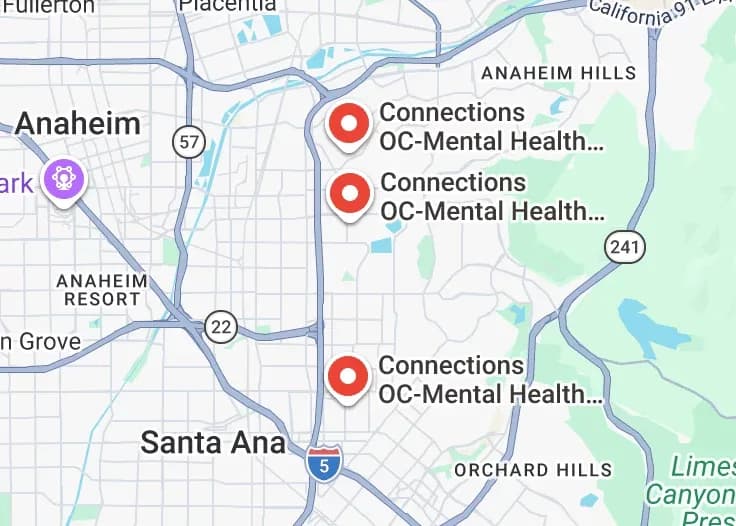
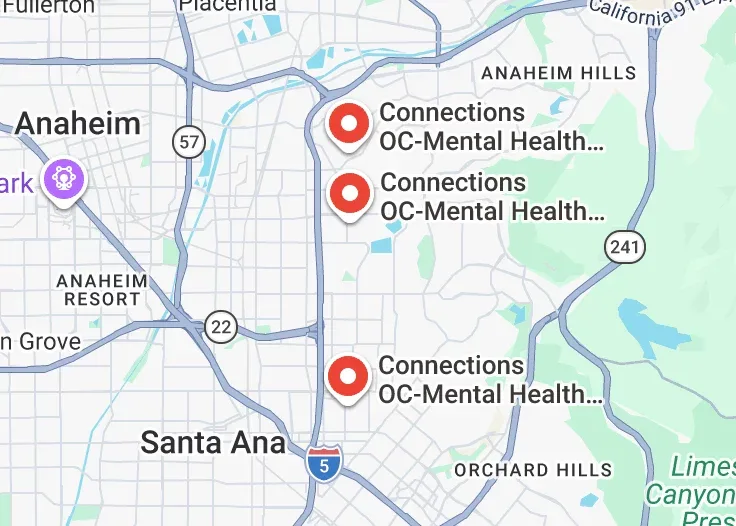
    Tustin, CATustin, CAVilla Park, CAVilla Park, CAOrange, CAOrange, CA
    Location Preview
Tustin, CATustin, CAVilla Park, CAVilla Park, CAOrange, CAOrange, CA
Location Preview
Tustin, CATustin, CAVilla Park, CAVilla Park, CAOrange, CAOrange, CA
Location Preview
Areas We Serve

Why I should relocate for rehab?

Menu CTA Image
Mental Health Disorders
Anxiety Disorders
  • Generalized Anxiety Disorder
  • Panic Disorder Treatment (MentalHealth National)
  • Obsessive Compulsive Disorder
  • Social Anxiety Disorder
  • Agoraphobia
Mood Disorders
  • Depression Treatment (MentalHealth National)
  • Bipolar Disorder
  • Premenstrual Dysphoric Disorder
  • Disruptive Mood Dysregulation Disorder
  • Major Depressive Disorder
  • Persistent Depressive Disorder
  • Seasonal Affective Disorder
Trauma Disorders
  • Post Traumatic Stress Disorder
  • Adjustment Disorder
Personality Disorders
  • Borderline Personality Disorder
  • Antisocial Personality Disorder
  • Dissociative Identity Disorder
  • Histrionic Personality Disorder
  • Paranoid Personality Disorder
Psychotic Disorders
  • Schizophrenia
  • Schizoaffective Disorder
Neurodevelopment Disorder Treatment (MentalHealth National)
  • ADHD
Areas We Serve

Why I should relocate for rehab?

Menu CTA Image
Mental Health Treatment

Mental Health Treatment

Get dual-diagnosis treatment for SUD and mental health

888-255-2112
  • Cognitive Behavioral TherapyCognitive Behavioral Therapy
  • Dialectical Behavioral TherapyDialectical Behavioral Therapy
  • Seeking Safety TreatmentSeeking Safety Treatment
  • Motivational Interviewing Therapy (MentalHealth National)Motivational Interviewing Therapy (MentalHealth National)
  • Medication ManagementMedication Management
Areas We Serve

Why I should relocate for rehab?

Menu CTA Image
Contact
844-759-0999
Connections Mental Health
844-759-0999
Skip to content

What to Pack for Inpatient Mental Health Treatment

Picture of Written By:
Written By:

Matthew D'Ursov

Picture of Content Manager:
Content Manager:

Amy Leifeste

Picture of Editor:
Editor:

Karena Mathis

Posted On
March 5, 2024

Treatment Guidance Website Tour

After reading this current page, click on the next page we recommend here, or at the bottom of this page.

Embarking on an inpatient mental health program represents a significant move toward healing and prioritizing your overall health.

While the thought of residential treatment might seem overwhelming, you can make your stay as comfortable as possible by learning what to pack for a hospital stay and what to leave at home.

Preparing for Inpatient Treatment

Preparing for inpatient treatment involves thoughtful consideration and planning, ensuring that you bring along what will support your healing journey while leaving behind anything that might hinder your progress. Here’s how to prepare your packing list for hospital stay:

  • Essential personal items: Start with the basics, including comfortable clothing, personal hygiene products, and any necessary medical aids like glasses or contact lenses. Comfort is key, so choose clothes that are easy to wear and appropriate for various activities and therapies you’ll participate in.
  • Emotional comfort items: Consider packing items that provide emotional comfort and connection – photos of loved ones, a favorite book, or a small personal keepsake, for instance. These items can offer solace and a sense of familiarity in a new environment.
  • Journal and writing supplies: A journal or notebook and pens can be invaluable during your stay. Journaling is a powerful tool for self-reflection, processing experiences, and tracking your progress through treatment.
  • Self-care and relaxation tools: Items that promote relaxation and self-care, such as stress balls, coloring books, or a calming playlist can enhance your ability to manage stress and engage in self-soothing practices.
  • Avoiding potential distractions: Leave behind items that could disrupt your focus on recovery. Prohibited electronics, valuables, and any materials that could trigger distress or relapse should remain at home.
  • Documentation and contact information: Ensure that you have all necessary documentation, including identification, insurance information, and any medical records that the treatment center may require. Also, have a list of important contact numbers, even if you won’t have direct access to your phone during your stay.
  • Consult the facility’s guidelines: Each treatment center has its own set of rules and recommendations for what to bring and what to leave at home. Before packing, check with the facility for a packing list or guidelines to ensure that you comply with their policies and make the most of your stay.

Preparing for inpatient treatment not only involves packing physical items but also mentally and emotionally preparing for the journey ahead. Engage in positive self-talk, set intentions for your recovery, and remind yourself of the reasons you’re choosing to embark on this path. By arriving prepared, you’re taking a proactive step toward embracing the healing process.

an image of someone writing what to pack for psychiatric hospital

What to Pack for Psychiatric Hospital

When preparing for inpatient treatment, packing the right items can significantly impact your comfort and experience.  Here’s what to pack for inpatient mental health treatment:

  • Clothing: Pack enough casual and comfortable clothing to last you three or four days. Choose items without drawstrings for your safety and convenience. Remember, washers and dryers will be available for your use.
  • Footwear: Pack slip-on or Velcro athletic shoes, as shoes with laces are not permitted. This ensures ease of use and complies with safety guidelines.
  • Photos: Bring unframed photos of your family to keep your loved ones close during your stay, offering comfort and connection.
  • Medications: Include any necessary personal medications like inhalers, birth control pills, and antibiotics. While the facility provides most medications, having a current and accurate list of your medications and dosages is essential.
  • Cash: You may bring up to $20 in cash, preferably in small bills for vending machines.
  • Cigarettes or vapes: If you smoke, you are allowed to bring cigarettes, but only unopened packs are permitted. Lighters will be provided by the facility. Check with the facility concerning regulations for vapes.
  • Insurance card: If applicable, bring your insurance card to streamline the administrative process.

Always check the specific guidelines of the facility to ensure compliance and readiness for your stay. Packing appropriately not only helps you adhere to the rules but also contributes to a more comfortable and stress-free recovery period.

What Not to Pack for Inpatient Treatment

When preparing for inpatient treatment, be mindful of items that are normally not allowed within the facility to ensure safety and compliance with the program’s guidelines.  Now you know what to pack for psychiatric hospital, here’s what to avoid:

  • Electronic gadgets: Cell phones, iPads, iPods, computers, cameras, and other recording devices may be prohibited to maintain privacy and focus on recovery.
  • Clothing restrictions: Avoid clothing with rips or tears, offensive language, hoodies, and leggings. Also, belts, shoelaces, boots, drawstrings, and adjustable waists are not permitted for safety reasons.
  • Jewelry and valuables: Leave expensive jewelry and other valuable items at home to prevent loss or damage.
  • Prohibited personal items: Underwire bras, razors, razor blades, pencils, pens, plastic bags, glass items, sharp objects like scissors or pocket knives, lighters, and matches should not be packed.
  • Comfort items: While personal pillows, bedding, blankets, and stuffed animals might seem comforting, they are not allowed. Specific items required for comfort due to medical conditions will be provided by the facility.
  • Food and beverages: Food items, including candy or beverages in aluminum cans, are not permitted to ensure that dietary and safety regulations are met.
  • Walking aids: Personal walking devices are not allowed. That said, the facility will provide wheelchairs if mobility assistance is needed.
  • Medications: With the exception of items like antibiotics, inhalers, and birth control pills, all medications will be provided by the facility to ensure proper dosing and safety.
  • Beauty products: Nail polish, nail polish remover, hair dyes, or hair chemicals are restricted. Personal hygiene items are provided by the facility, but if specific products are needed due to allergies, a doctor’s order will be required.
  • Paracord jewelry: Items like paracord bracelets are not allowed within the facility.

Refer to the entry guidelines of the inpatient program you’re entering for a detailed list of prohibited items. This preparation helps create a safe and conducive environment for everyone’s recovery journey.

an image of people who learn about packing list for hospital stay

Get Inpatient Mental Health Treatment at Connections

If you or someone that you love needs inpatient mental health treatment in California, reach out to Connections.

We provide immersive and highly structured treatment for all types of mental health conditions at our luxury beachside facility. We admit no more than six people at one time, ensuring that you receive personalized attention alongside the support of peers undergoing similar challenges.

Expect to access personalized and targeted treatments that may include medication management, talk therapies, motivational therapies, counseling, and holistic interventions.

Call admissions today at 844-759-0999 and start living unconstrained by mental health conditions.

PrevPrevious Post
Next PostNext

Related Articles

January 16, 2026

Does Insurance Cover Residential Mental Health Treatment?

October 7, 2025

Why Do I Feel Like Everyone Hates Me?

September 18, 2025

Overstimulated Meaning

Share This Article

Related Blogs

Check out our addiction recovery blog to learn more about substance use disorders and how to get effective treatment.

Best Residential Outpatient Rehab Mental Health Centers in the Country

Best Residential IOP Rehab Mental Health Centers in the Country

Best Residential DBT Therapy Mental Health Centers in the Country

Best Residential EMDR Therapy Mental Health Centers in the Country

Best Residential Group Addiction Therapy Mental Health Centers in the Country

ACT Therapy Treatment near Yorba Linda (Residential Mental Health Treatment Centers)

ACT Therapy Treatment near Westminster (Residential Mental Health Treatment Centers)

Villa Park ACT Therapy Treatment (Residential Mental Health Treatment Centers)

Tustin ACT Therapy Treatment (Residential Mental Health Treatment Centers)

ACT Therapy Treatment near Stanton (Residential Mental Health Treatment Centers)

ACT Therapy Treatment near Seal Beach (Residential Mental Health Treatment Centers)

ACT Therapy Treatment near Santa Ana (Residential Mental Health Treatment Centers)

ACT Therapy Treatment near San Juan Capistrano (Residential Mental Health Treatment Centers)

ACT Therapy Treatment near San Clemente (Residential Mental Health Treatment Centers)

ACT Therapy Treatment near Rancho Santa Margarita (Residential Mental Health Treatment Centers)

Featured Blogs

Does Insurance Cover Residential Mental Health Treatment?

What Is the Goal of Therapy?

Why Do I Feel Like Everyone Hates Me? Tips & What to Do

What Are Common Signs of Overstimulation in Adults?

What to Expect at an Inpatient Behavioral Health Hospital

Residential vs. Inpatient Mental Health Treatment

How to Admit Yourself to a Mental Hospital?

When To Seek Inpatient Mental Health Treatment At A Hospital

Inpatient Mental Health Crisis Treatment

How Long is Residential Mental Health Treatment?

What is Real Event OCD? Signs, Symptoms, and Treatment

What Is Harm OCD? Signs, Symptoms, and Treatment

Why Do I Zone Out So Much? Causes & What To Do

What is existential OCD: Signs, Symptoms, Triggers, & Treatment

Hyperfixation vs. Obsession: What’s the difference?

Am I Going Crazy? Understanding Your Mental Health Concerns

Are Your Nightmares Actually Trying to Warn You About Something?

What Is Obsessive Love Disorder? Symptoms, Causes, & Treatment

What Is Hyperfixations? How to Manage It

Obsessive-Compulsive Disorder: How Common Is OCD?

Rehabs near Orange County FAQs

What types of mental health programs are available in Orange County?

Mental health programs near Orange County offer a full continuum of care, including inpatient treatment, partial hospitalization (PHP), intensive outpatient (IOP), and standard outpatient (OP) services. Whether you’re looking for structured care or flexible support, mental health treatment programs are designed to meet a range of needs.

How do I know if I need mental health treatment near Orange County?

If you’re experiencing persistent feelings of anxiety, depression, stress, mood changes, difficulty coping with daily responsibilities, or emotional challenges that are affecting your work, relationships, or overall well-being, it may be time to seek professional support. A mental health assessment can help determine the level of care that’s right for you and connect you with the appropriate treatment options.

What mental health conditions are treated at Orange County mental health centers?

Mental health treatment centers in Orange County commonly provide care for conditions such as anxiety disorders, depression, bipolar disorder, PTSD, trauma-related disorders, OCD, mood disorders, and other emotional or behavioral health concerns. Treatment plans are personalized to each individual’s unique needs, goals, and clinical recommendations.

Will my insurance cover mental health treatment in Orange County?

Many major insurance providers offer coverage for mental health services, including partial hospitalization (PHP), intensive outpatient (IOP), and outpatient treatment programs. Coverage varies by plan, so verifying your benefits with the treatment center can help you understand your available options and any potential out-of-pocket costs.


Website Guide Progress...

What most patients want to know before they book

1Protect your job while you come to treatmentNEXT2Does Insurance Cover Residential Mental Health Treatment?NEXT3Why Traveling or Staying Close to home can both be great options.NEXT4Locations & GalleriesNEXT5Staff pageNEXT6ReviewsNEXT7What to bring to treatmentNEXT8Treatment & Therapies we provideNEXT9Admissions ProcessNEXT10Contact UsNEXT11Residential Inpatient vs Hospital InpatientNEXT

You’re Not Alone.

Get treatment from a team of expert staff who is passionate about helping you experience peace.

Call Now
an image of the Connections Mental Health logo

Tustin
DHCS # MHBL240478
Exp 1/10/27

Joint Commission HCO ID: 690880
Effective Date: 3/8/2025

Villa Park
DHCS #MHBL240509
Exp 9/4/26

Joint Commission HCO ID: 690880
Effective Date: 3/8/2025

Orange
DHCS #MHBT260570
Exp 4/8/27

Joint Commission HCO ID: 690880
Effective Date: 3/8/2025

  • 17811 Bigelow Park, Tustin, CA 92780
  • 17841 Lincoln St Villa Park, CA 92861
  • 2403 N Shady Forest Ln Orange, CA 92867
  • Privacy Policy
  • Sitemap
About Us

About Us

Effective residential inpatient mental health treatment.

Get to know us
Who We Are
  • Staff
  • Our Facilities
Resources
  • Blog
  • FAQ
  • Insurance Verification
  • Reviews
Areas We Serve

Why I should relocate for rehab?

Menu CTA Image
Locations

Locations

Choose from our beautiful locations near beaches & national parks.

888-255-2112
California
  • Orange County
    Tustin, CATustin, CAVilla Park, CAVilla Park, CAOrange, CAOrange, CA
    Location Preview
Tustin, CATustin, CAVilla Park, CAVilla Park, CAOrange, CAOrange, CA
Location Preview
Tustin, CATustin, CAVilla Park, CAVilla Park, CAOrange, CAOrange, CA
Location Preview
Areas We Serve

Why I should relocate for rehab?

Menu CTA Image
Mental Health Disorders
Anxiety Disorders
  • Generalized Anxiety Disorder
  • Panic Disorder Treatment (MentalHealth National)
  • Obsessive Compulsive Disorder
  • Social Anxiety Disorder
  • Agoraphobia
Mood Disorders
  • Depression Treatment (MentalHealth National)
  • Bipolar Disorder
  • Premenstrual Dysphoric Disorder
  • Disruptive Mood Dysregulation Disorder
  • Major Depressive Disorder
  • Persistent Depressive Disorder
  • Seasonal Affective Disorder
Trauma Disorders
  • Post Traumatic Stress Disorder
  • Adjustment Disorder
Personality Disorders
  • Borderline Personality Disorder
  • Antisocial Personality Disorder
  • Dissociative Identity Disorder
  • Histrionic Personality Disorder
  • Paranoid Personality Disorder
Psychotic Disorders
  • Schizophrenia
  • Schizoaffective Disorder
Neurodevelopment Disorder Treatment (MentalHealth National)
  • ADHD
Areas We Serve

Why I should relocate for rehab?

Menu CTA Image
Mental Health Treatment

Mental Health Treatment

Get dual-diagnosis treatment for SUD and mental health

888-255-2112
  • Cognitive Behavioral TherapyCognitive Behavioral Therapy
  • Dialectical Behavioral TherapyDialectical Behavioral Therapy
  • Seeking Safety TreatmentSeeking Safety Treatment
  • Motivational Interviewing Therapy (MentalHealth National)Motivational Interviewing Therapy (MentalHealth National)
  • Medication ManagementMedication Management
Areas We Serve

Why I should relocate for rehab?

Menu CTA Image
Contact
Verify Insurance
Call Now

Where Lasting Mental Health Treatment Truly Begins

Connect with our compassionate clinicians to get a personalized mental health treatment plan designed around your needs.
844-759-0999

Learn more about the individual mental health disorders we treat by clicking a button below.

Schizophrenia Disorder
Schizoaffective Disorder
Premenstrual Disphoric Disorder (PMDD)
Cyclothymia
Hypomania
Major Depressive Disorder (MDD)
Disruptive Mood Disregulation Disorder (DMDD)Disorder
Persistent Depressive Disorder (PDD)
ADHD
Social Anxiety Disorder
Major Depressive Disorder (MDD)
Disruptive Mood Disregulation Disorder (DMDD)Disorder
Persistent Depressive Disorder (PDD)
ADHD
Social Anxiety Disorder
Autism Spectrum Disorder (ASD)
Generalized Anxiety Disorder
Social Anxiety Disorder
Agoraphobia
Separation Anxiety Disorder
Dissociative Panic Disorder
Antisocial Personality Disorder
Paranoid Personality Disorder
Adjustment Disorder
Borderline Personality Disorder
USERJOURNEYGUIDE
Website GuideHand-picked pages that help our visitors
0 of 11 visited
  • 1Protect your job while you come to treatment+ Recommended next step
  • 2Does Insurance Cover Residential Mental Health Treatment?
  • 3Why Traveling or Staying Close to home can both be great options.
  • 4Locations & Galleries
  • 5Staff page
  • 6Reviews
  • 7What to bring to treatment
  • 8Treatment & Therapies we provide
  • 9Admissions Process
  • 10Contact Us
  • 11Residential Inpatient vs Hospital Inpatient