






Skip to content















Mental Health Treatment near Ventura (Residential Mental Health Treatment Centers)
Get compassionate, evidence-backed residential inpatient mental health treatment at a top-rated facility.
2000+ Patients Helped
6 Licenses & Certifications
5+ Years In Business
4.9 Star 100+ Patient Reviews
Aftercare Planning
Exciting Activities
Accredited & Trusted By
Our Awards
AMERICA’S BEST MENTAL HEALTH TREATMENT CENTERS 2026
Proudly recognized once again as one of America’s Best Mental Health Treatment Centers in 2026. Honoring our commitment to excellence in mental health care, positive patient outcomes, and a compassionate dedication to improving lives and emotional well-being.
Treatment Guidance Website Tour
After reading this current page, click on the next page we recommend here, or at the bottom of this page.
Residential Mental Health Treatment That Feels Like Home Near Ventura
Finding quality residential mental health treatment near Ventura can feel overwhelming when you’re already battling to discover the right fit for your unique situation? Choosing the ideal residential program for recovery involves numerous complexities, especially during moments when you feel drained, hopeless, and completely overwhelmed. Professional assistance marks an essential milestone, yet it understandably creates apprehension. These feelings make complete sense:
-
What if my struggles are too severe for treatment?
-
How can I afford the expense of quality care?
-
Will I face pressure to accept unwanted medications?
-
Does anyone really understand what I’m going through?
These concerns reflect normal human emotions and are entirely valid. Exceptional care that provides authentic understanding, complete acceptance, and genuine support should be your standard expectation.
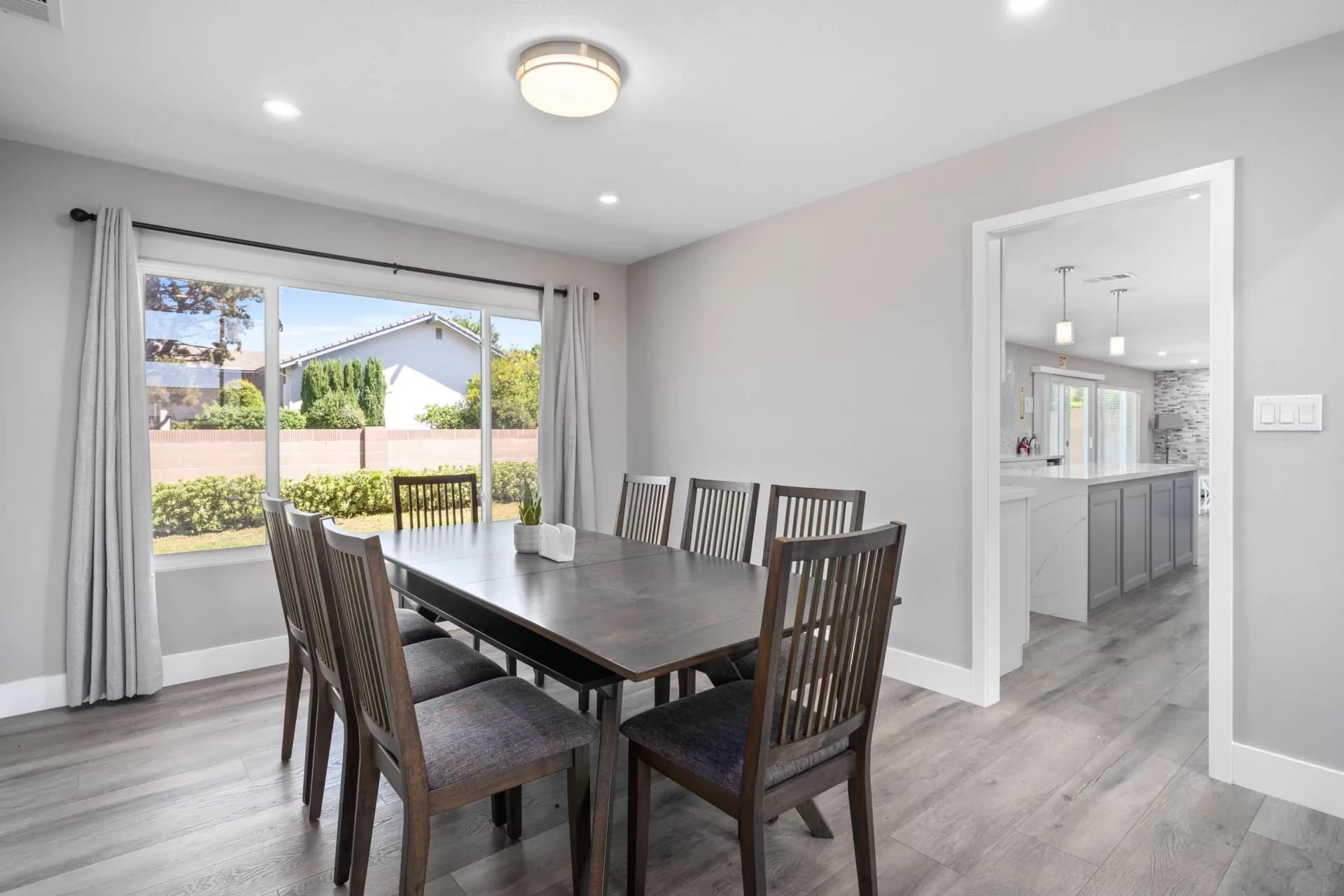
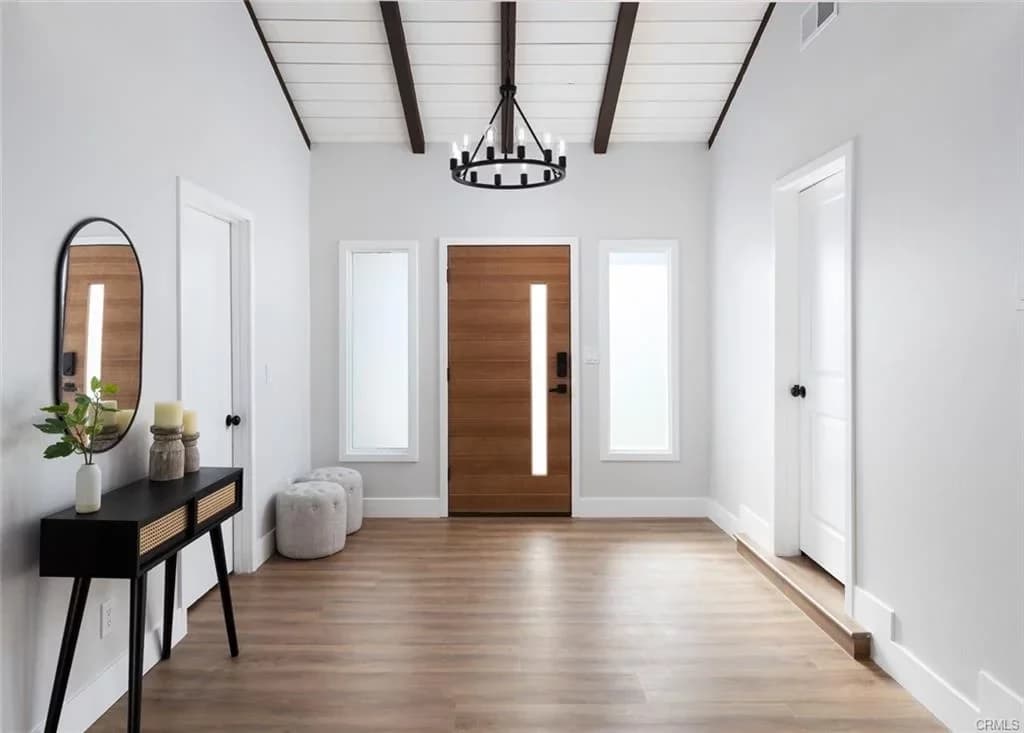
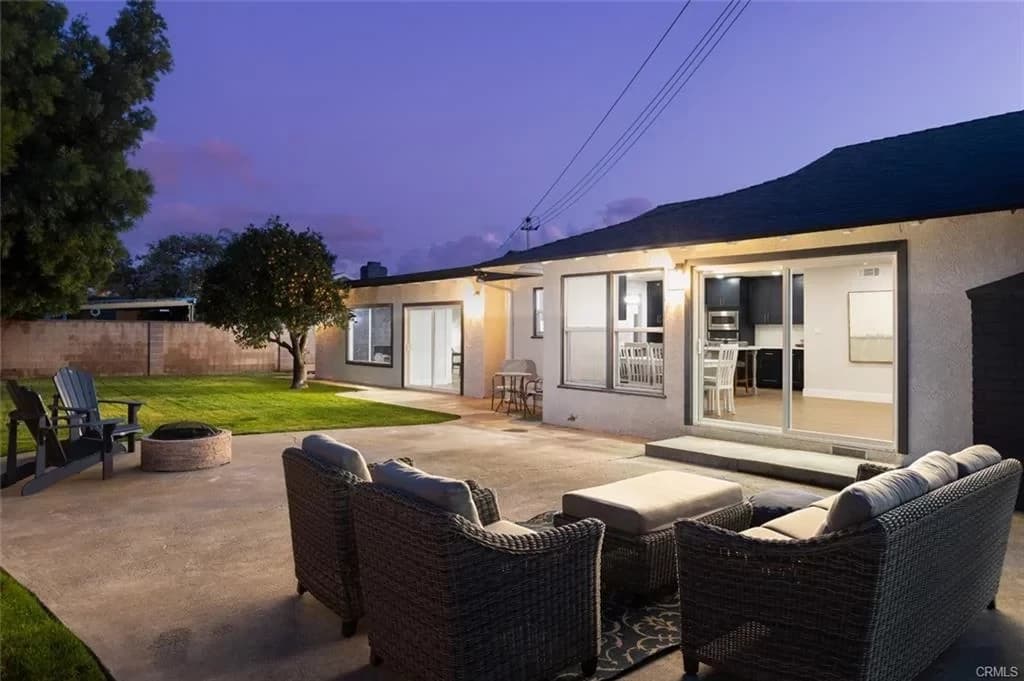
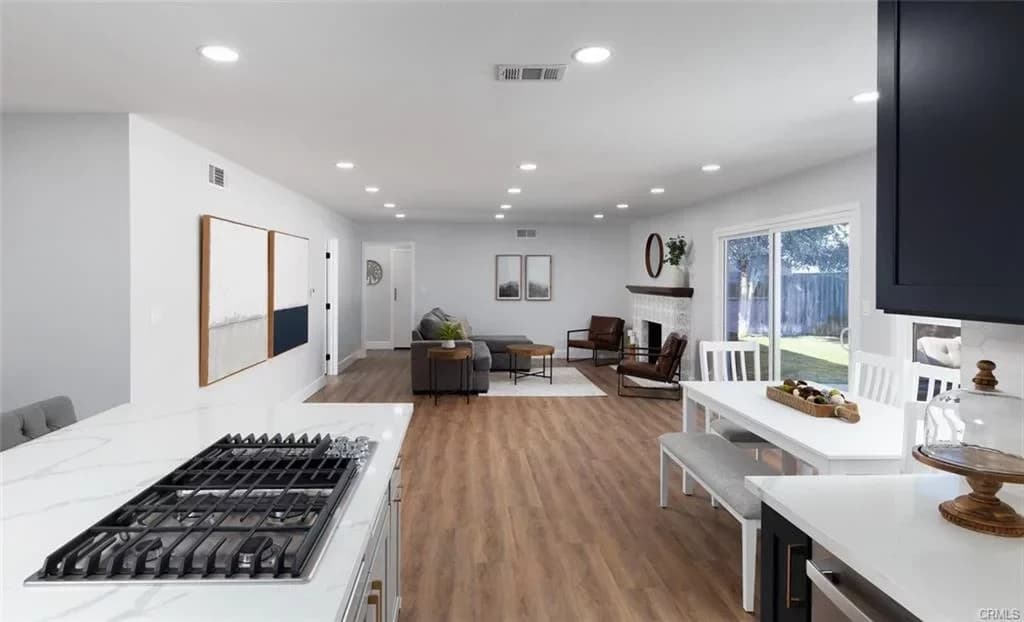
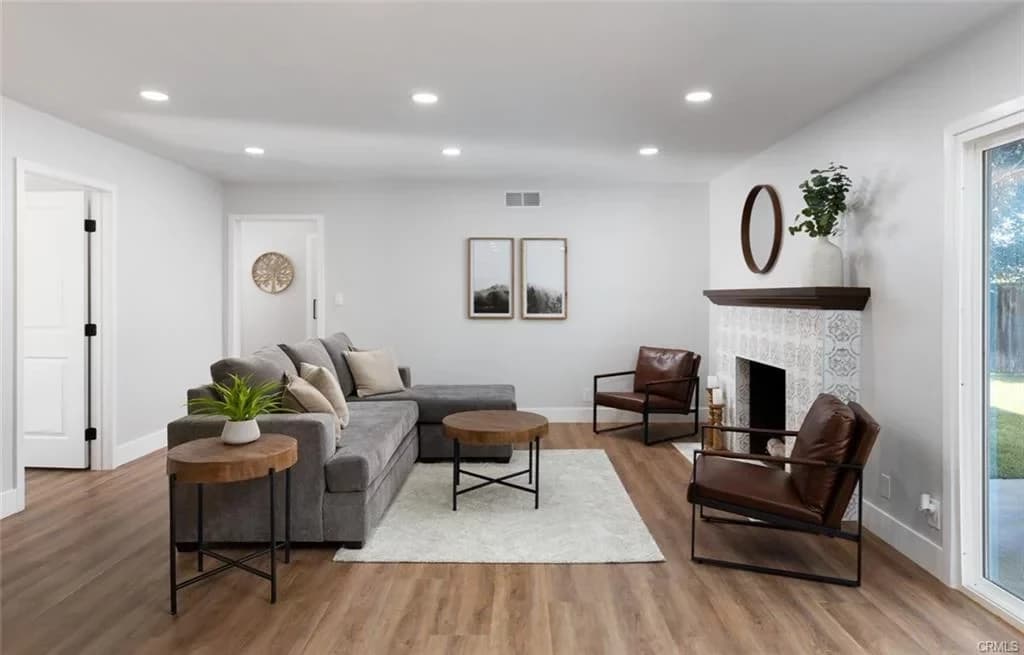
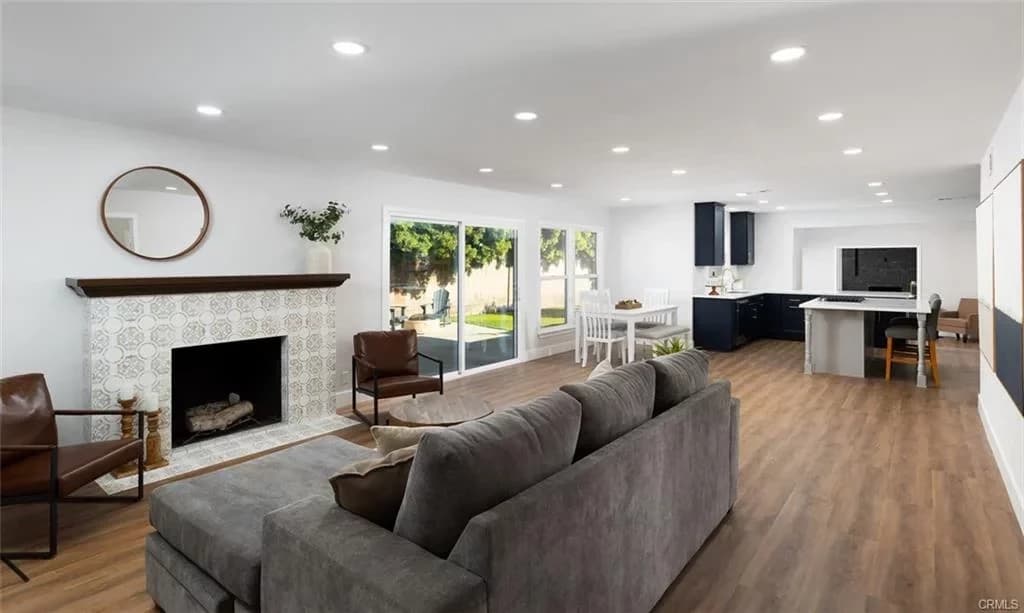
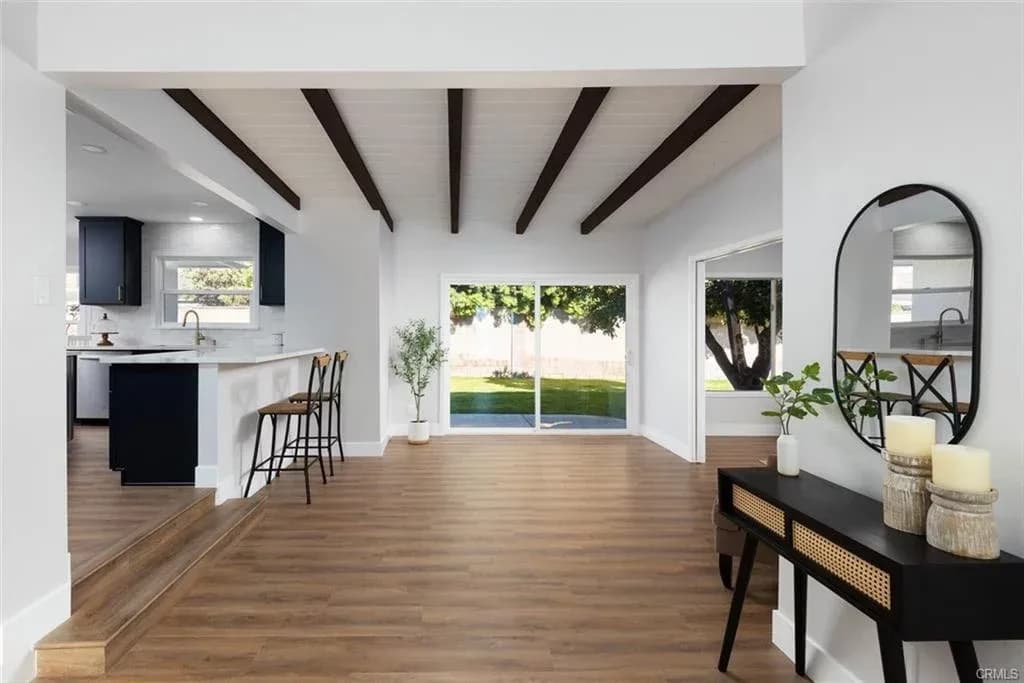
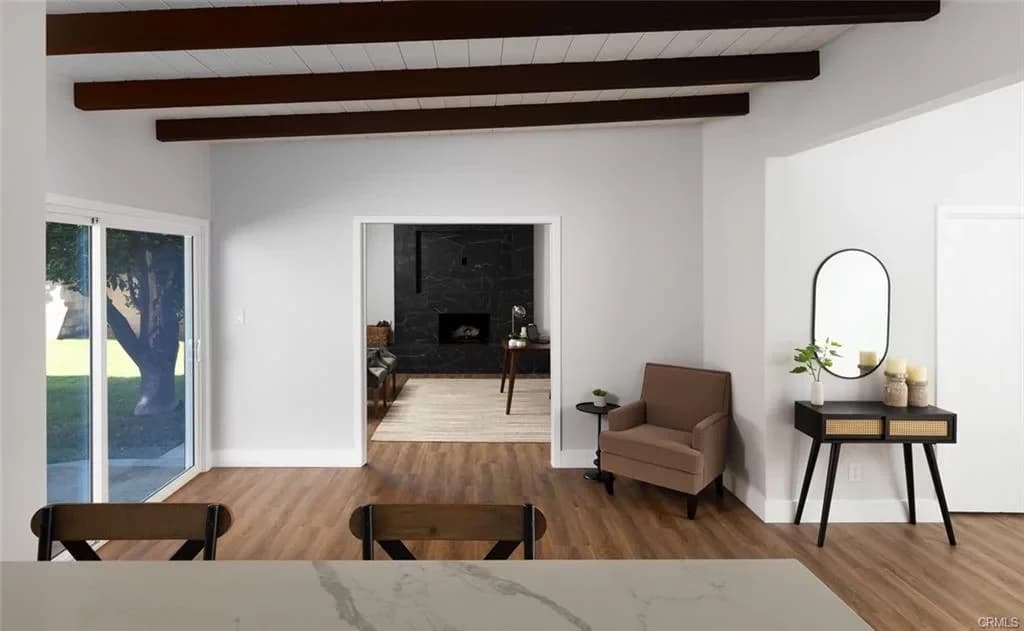
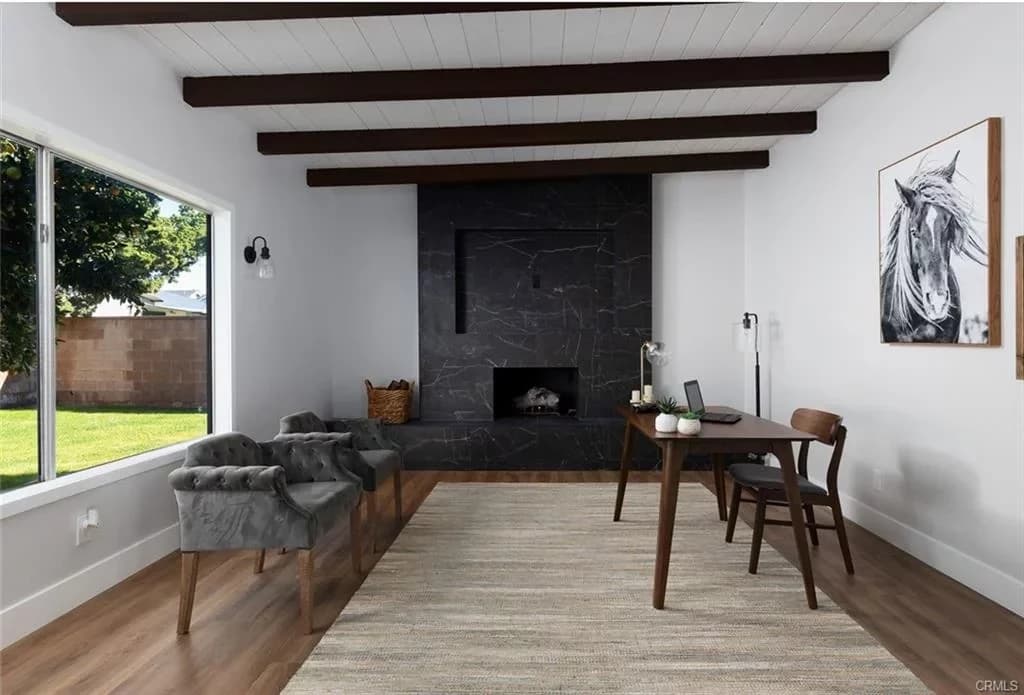
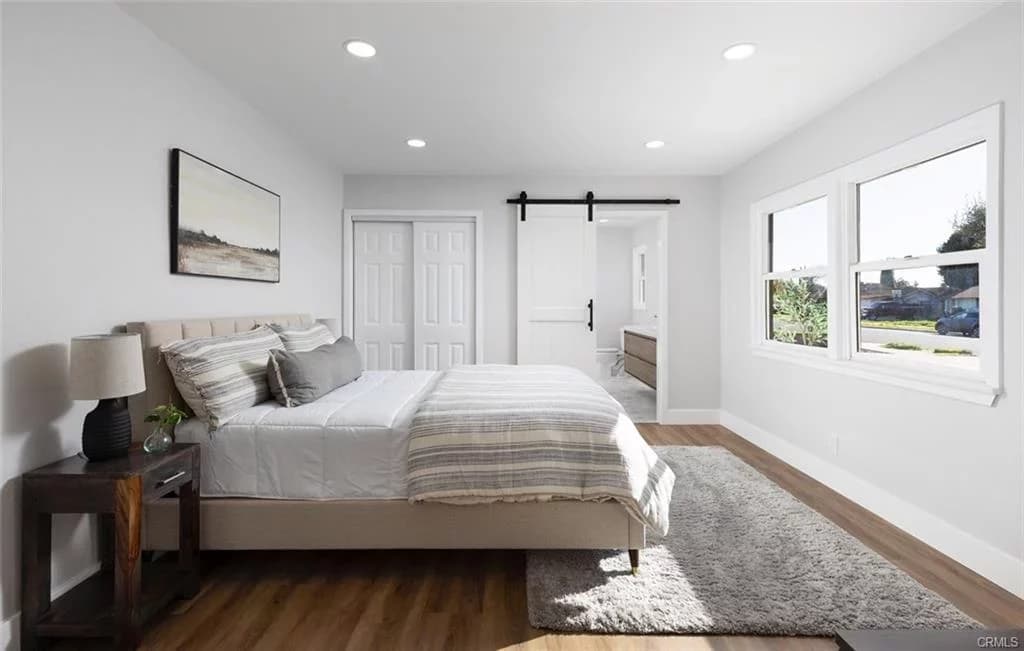
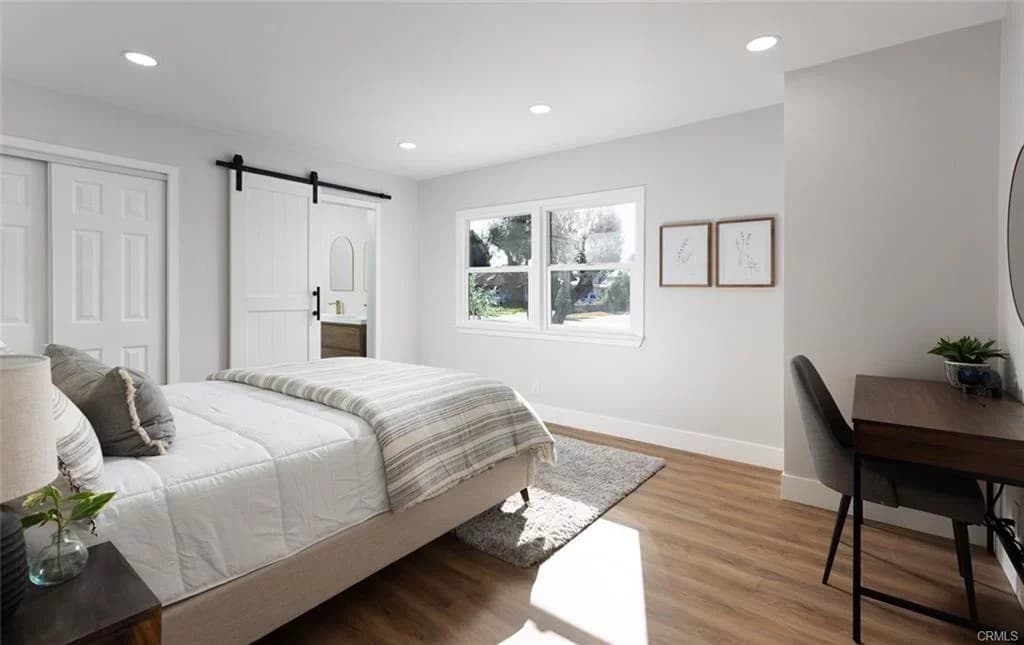
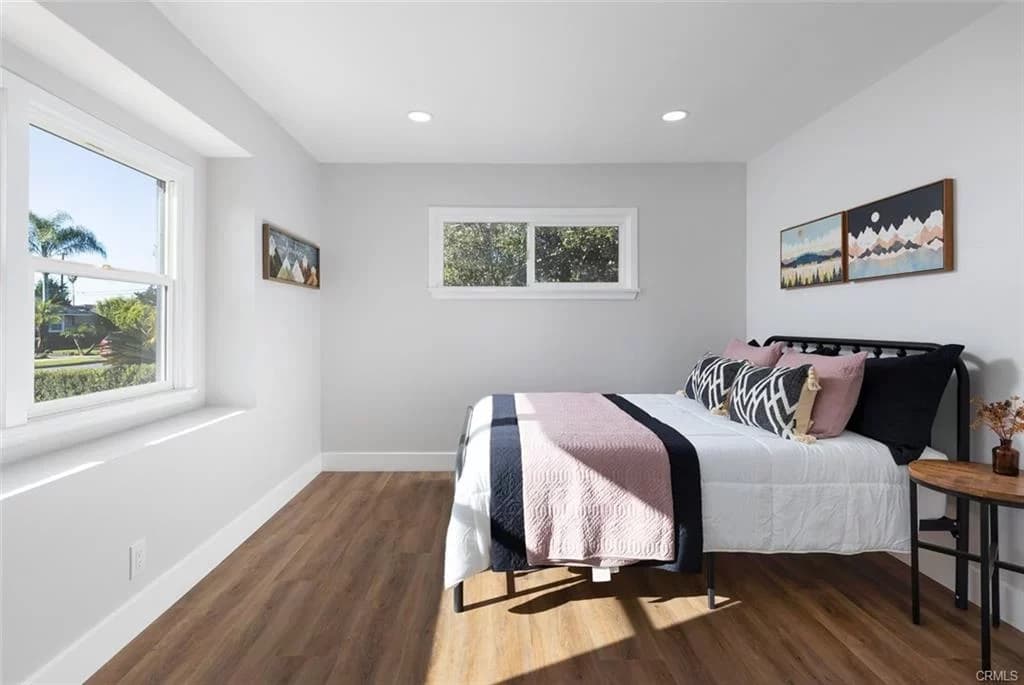
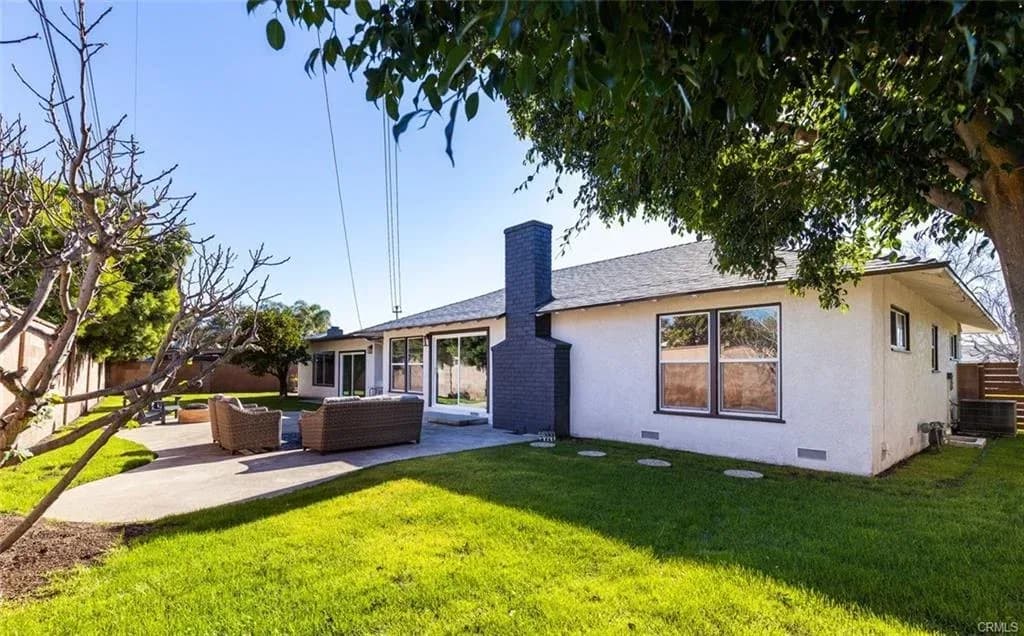
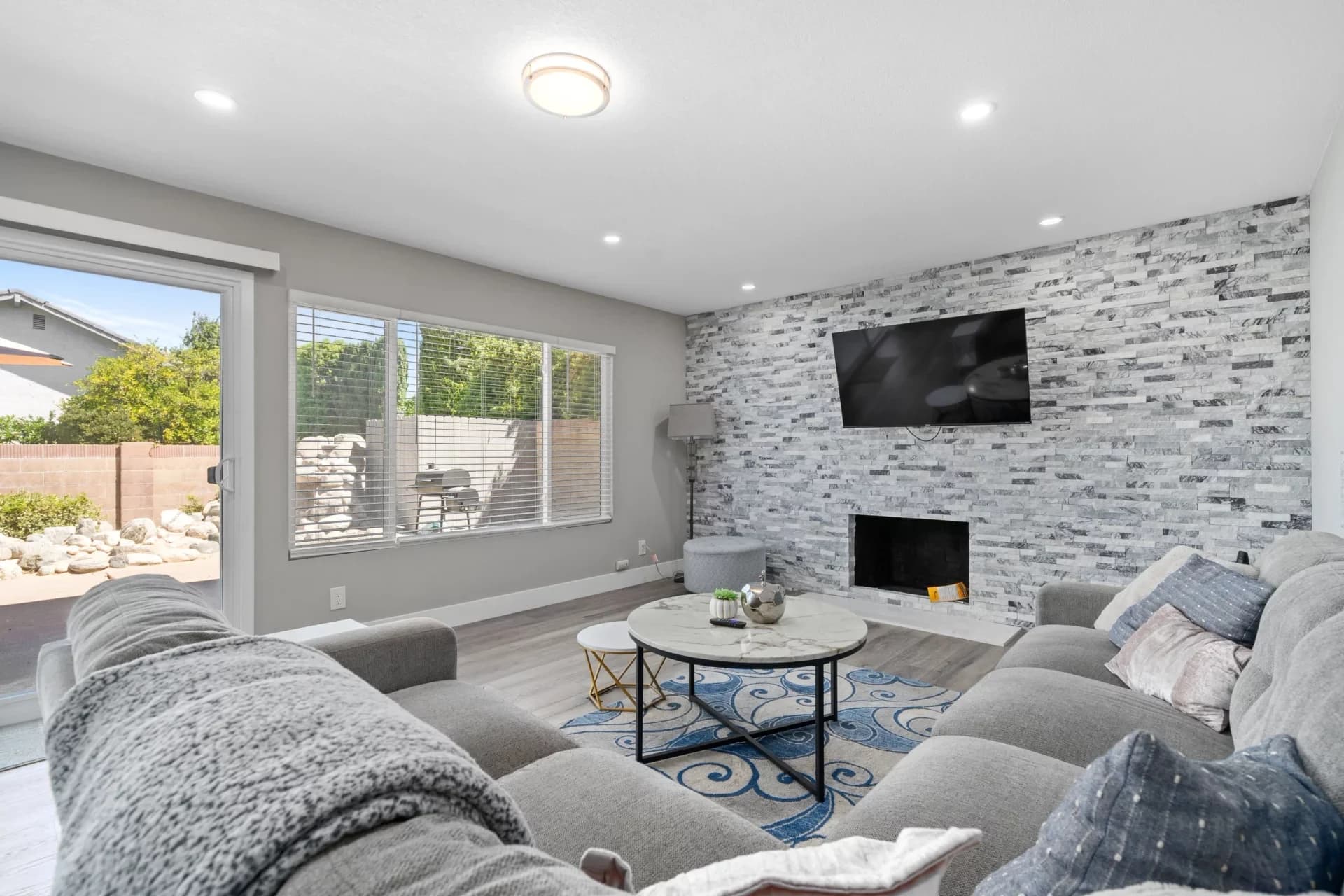
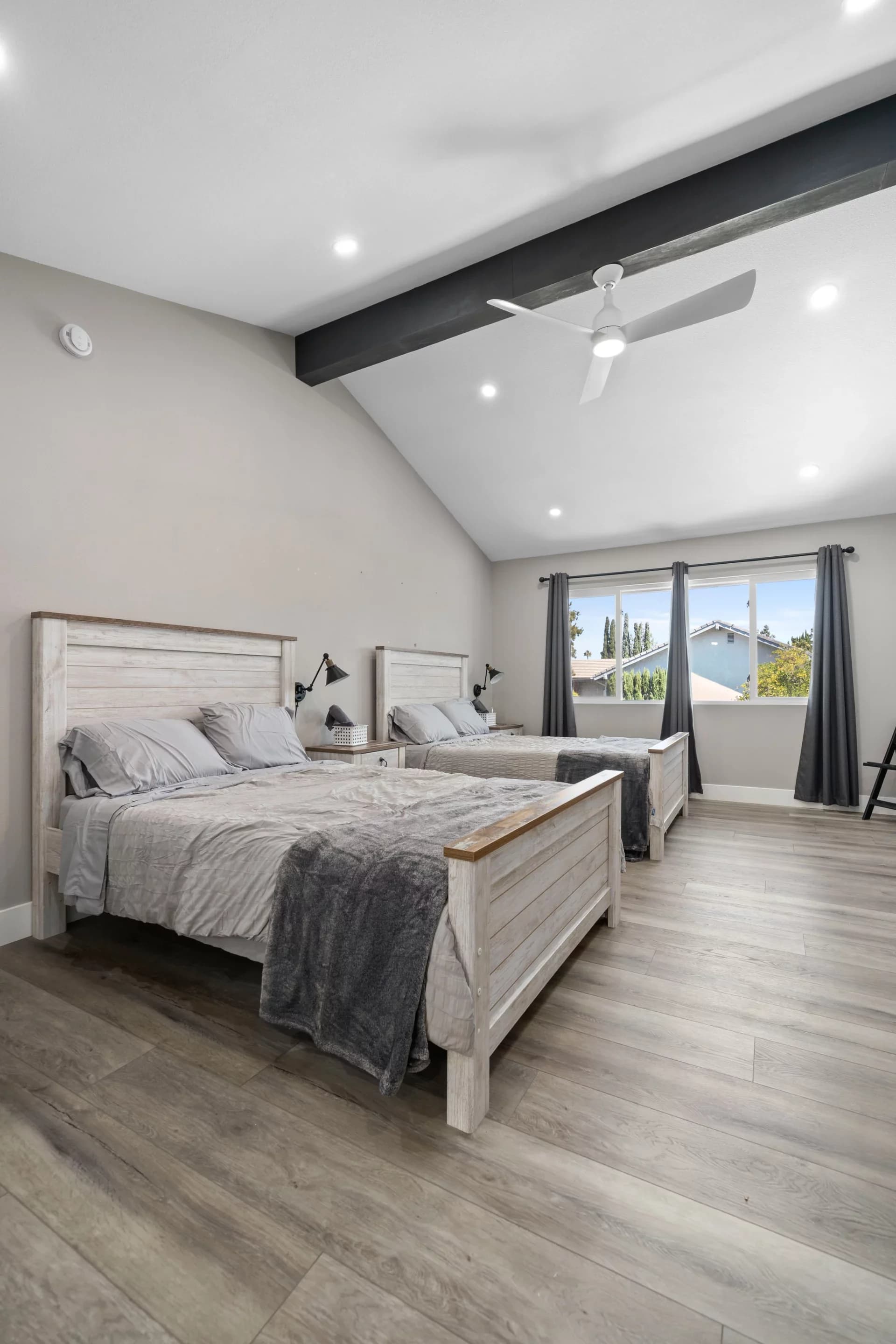
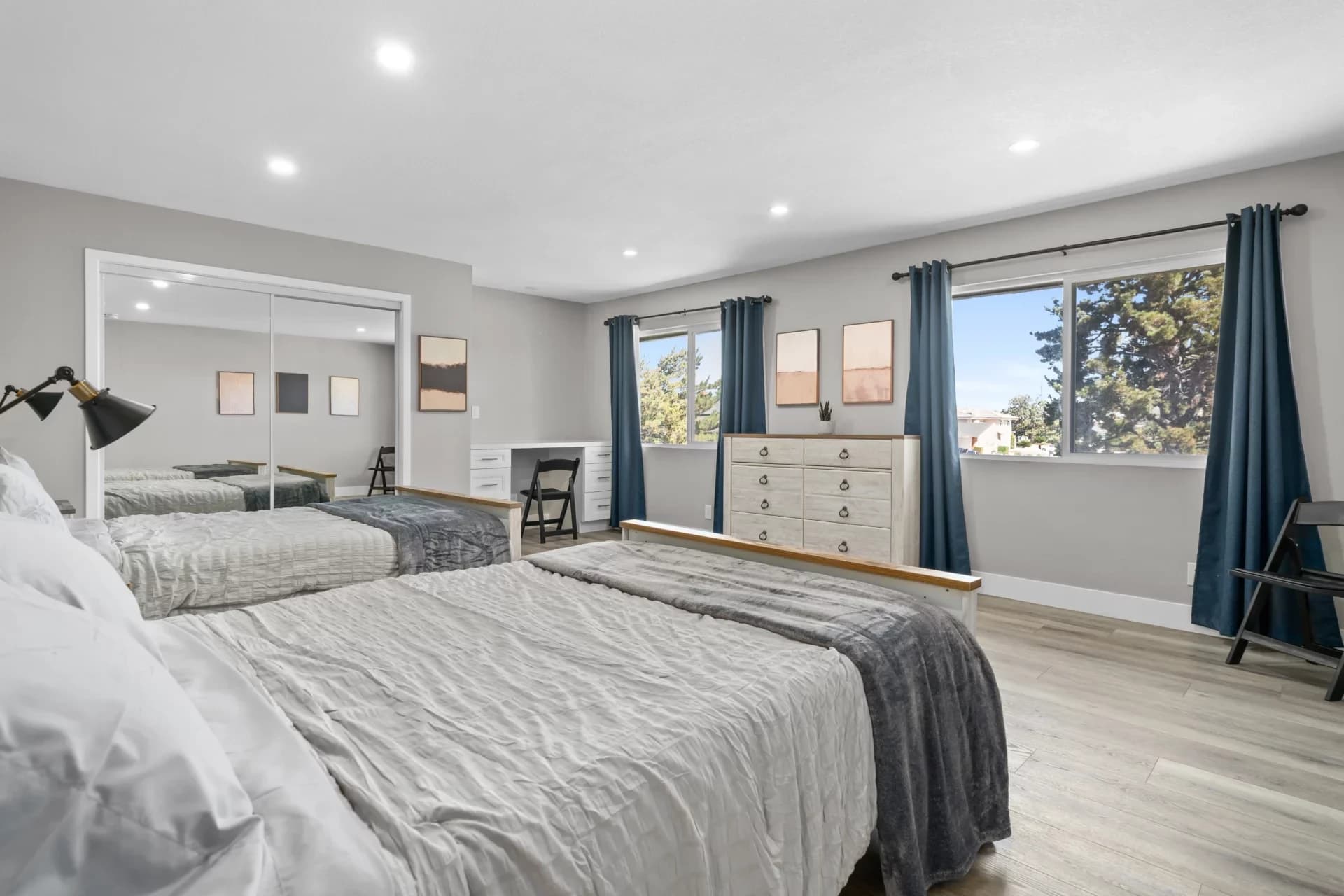
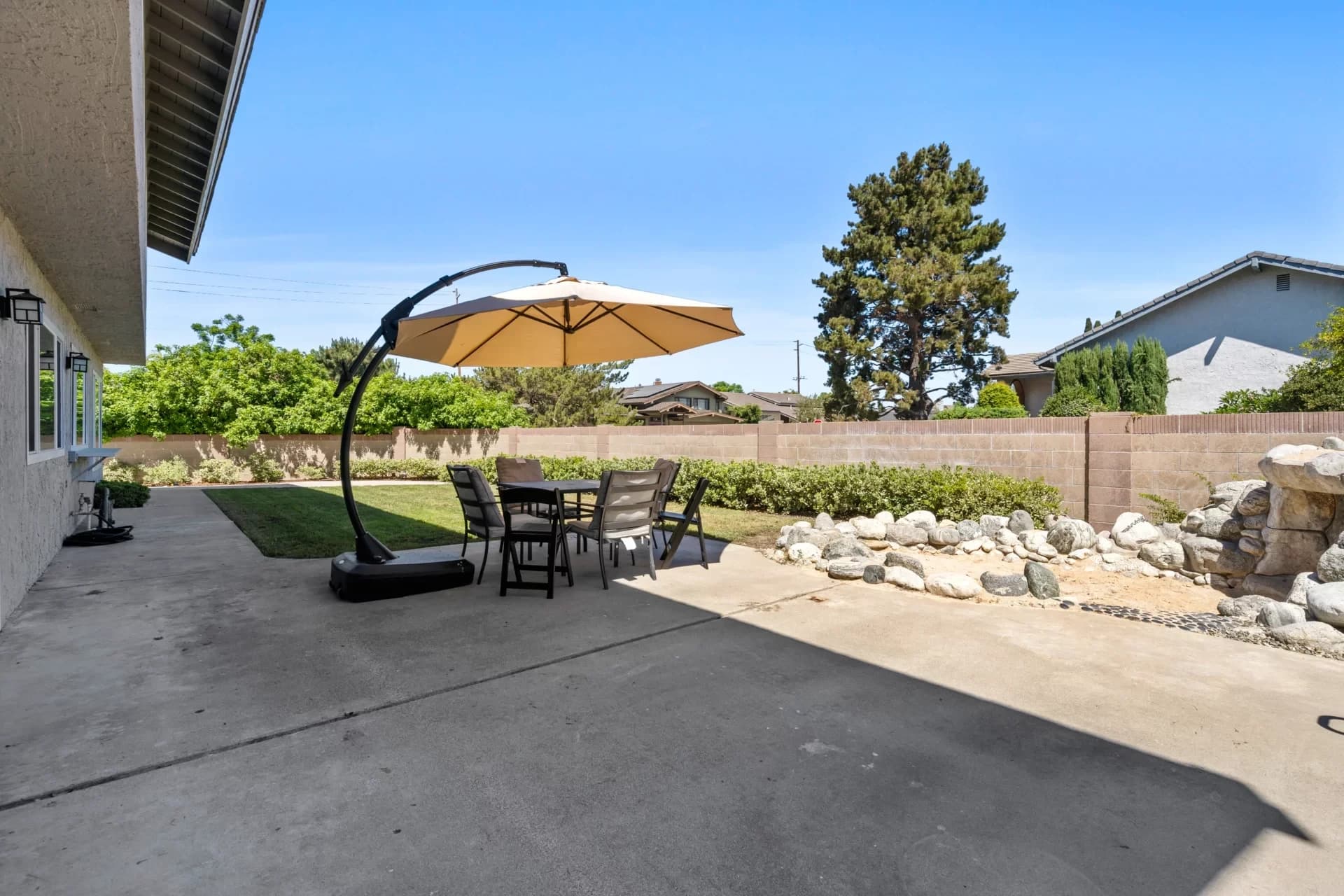
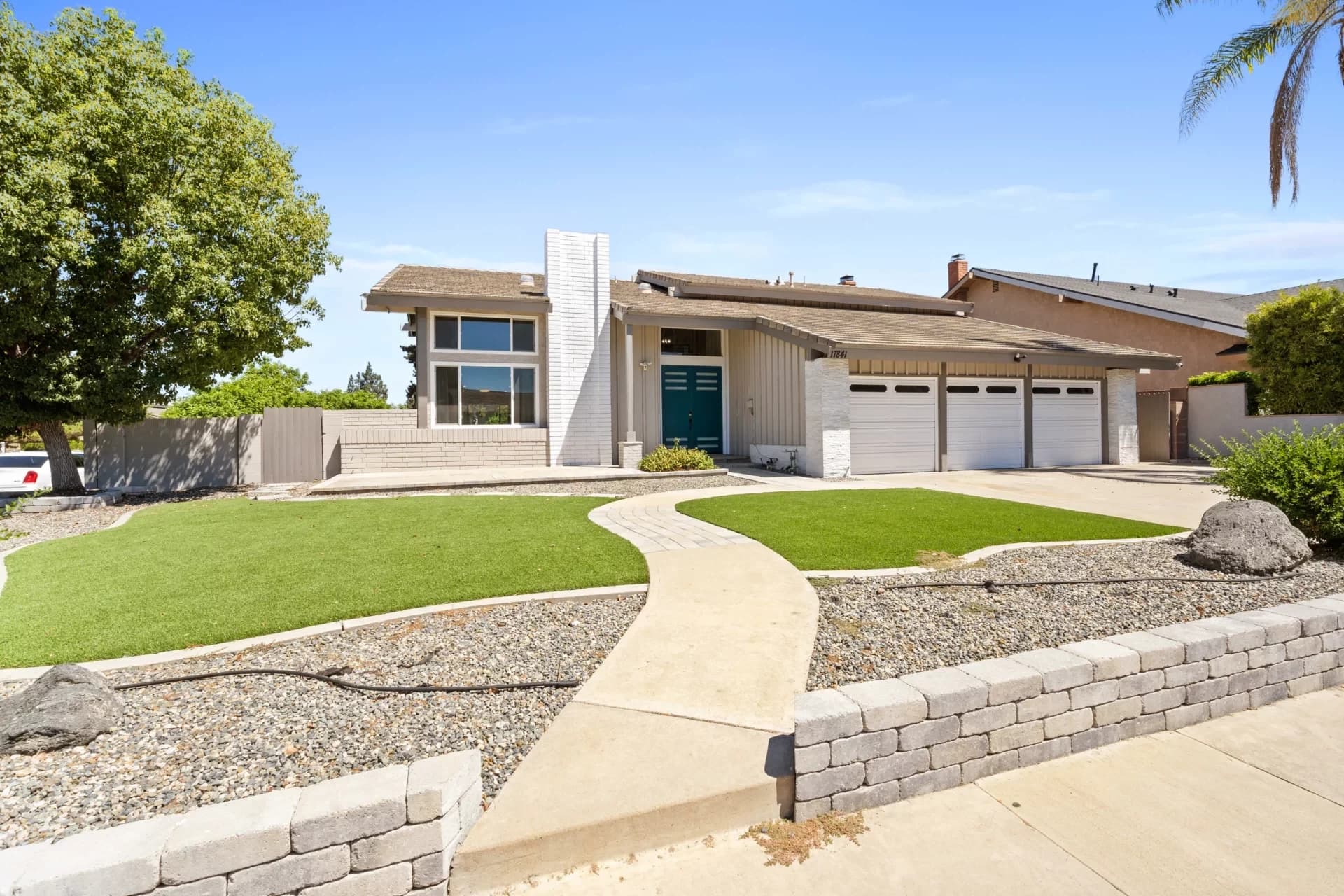
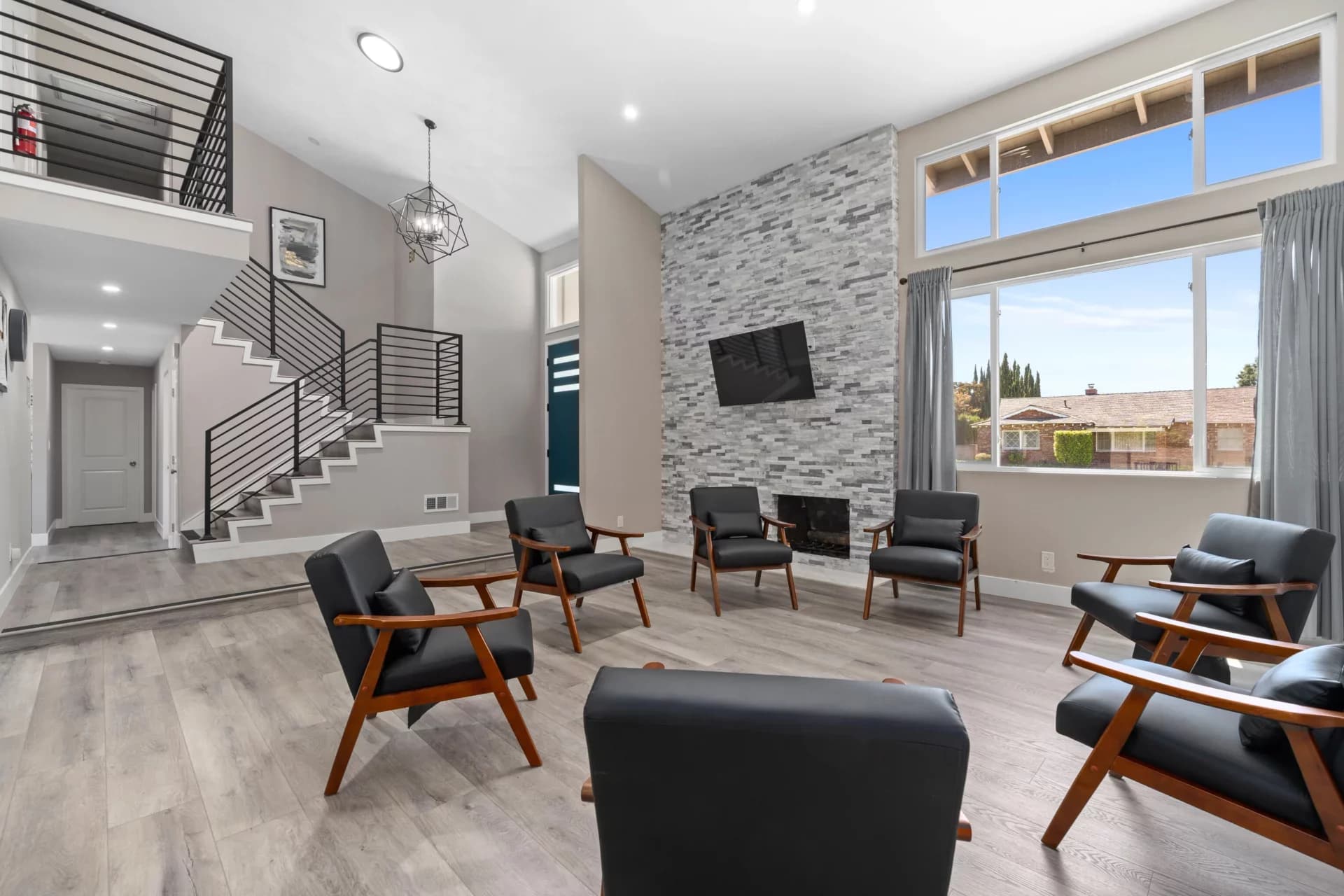
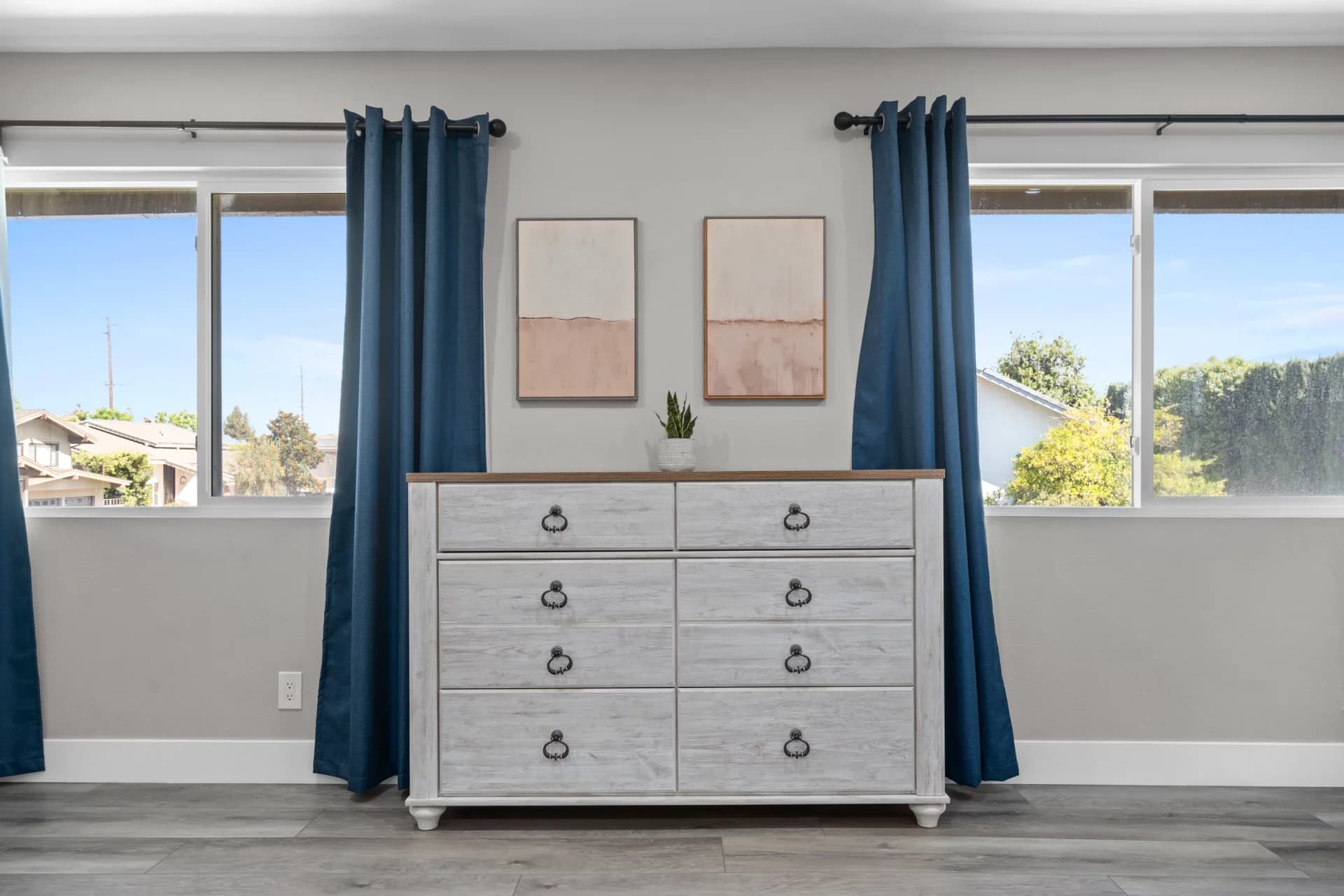
Within our practice at Connections Mental Health near Ventura, every individual receives identical compassion, respect, and attention we would offer our own family members. Our welcoming, nurturing residential mental health facility incorporates thoughtful design features that establish a homelike environment, ensuring optimal comfort during each person’s healing process. Experienced mental health professionals with lived recovery experiences utilize evidence-based therapeutic approaches alongside holistic interventions to promote complete, life-changing transformation.
More information is provided below.


Our Faculty Members
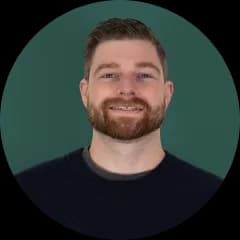
Clinical Director - LMFT
Is a Licensed Marriage and Family Therapist (LMFT) and an accomplished clinical director with over 15 years of dedicated experience in mental health and substance use treatment. Since 2009, he has made a significant impact in the field, working tirelessly to support individuals grappling with addiction and mental health issues in a variety of settings, including residential treatment centers and outpatient facilities. Having been sober since 2002, Sean brings personal insights to his practice, empowering clients to navigate their unique challenges and break free from the cycle of addiction and the difficulties associated with mental health disorders. His compassionate and client-centered philosophy fosters a supportive environment that encourages growth, resilience, and long-lasting recovery.
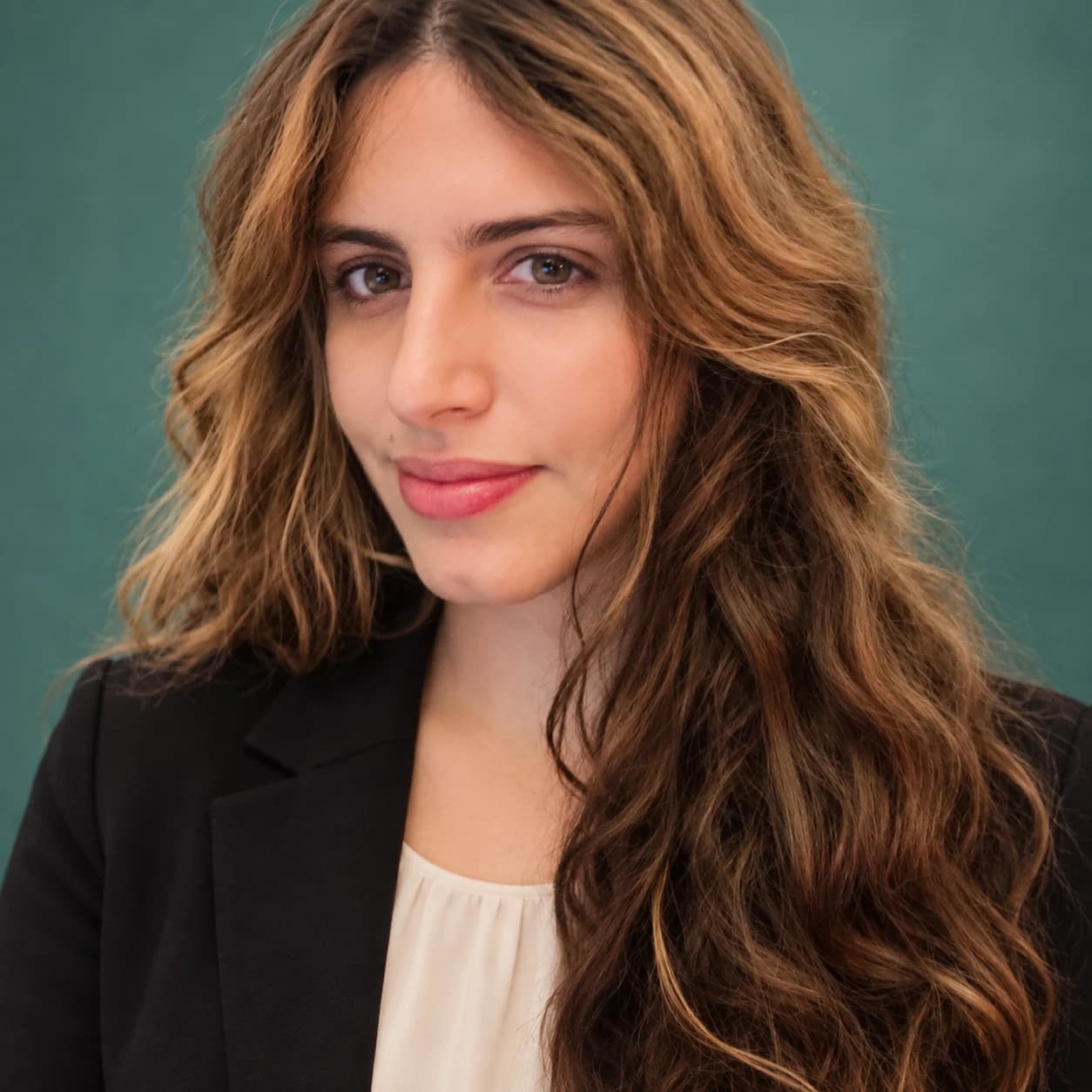
Therapist - ACSW, MSW, EMDR Certified
My passion for becoming a therapist was shaped by my own experiences navigating cultural challenges, trauma, and substance-related struggles within my community. These experiences deepened my understanding of how important it is to feel seen, supported, and understood during life’s difficult moments. I hold a Bachelor’s degree in Psychology from the University of California, Irvine and a Master’s in Social Work from California Baptist University. I practice with both cultural and spiritual competence, and I have experience working with individuals from diverse cultural backgrounds and spiritual traditions. My therapeutic style is direct, honest, and compassionate. I don’t believe you need to have everything figured out to begin therapy. I integrate evidence-based approaches such as Cognitive Behavioral Therapy (CBT), Dialectical Behavior Therapy (DBT), and trauma-focused work to support healing and growth. I strive to create a safe, supportive space where you can show up as you are, without judgment or pressure to perform. Whether you are working through trauma, grief, identity challenges, or substance use, my goal is to support you in building insight, resilience, practical coping tools, and a stronger connection with yourself. Outside of therapy, I enjoy spending time in nature, practicing my spirituality, playing music, and staying active through sports. I value real, meaningful connections, and I bring that same authenticity into my work with clients.
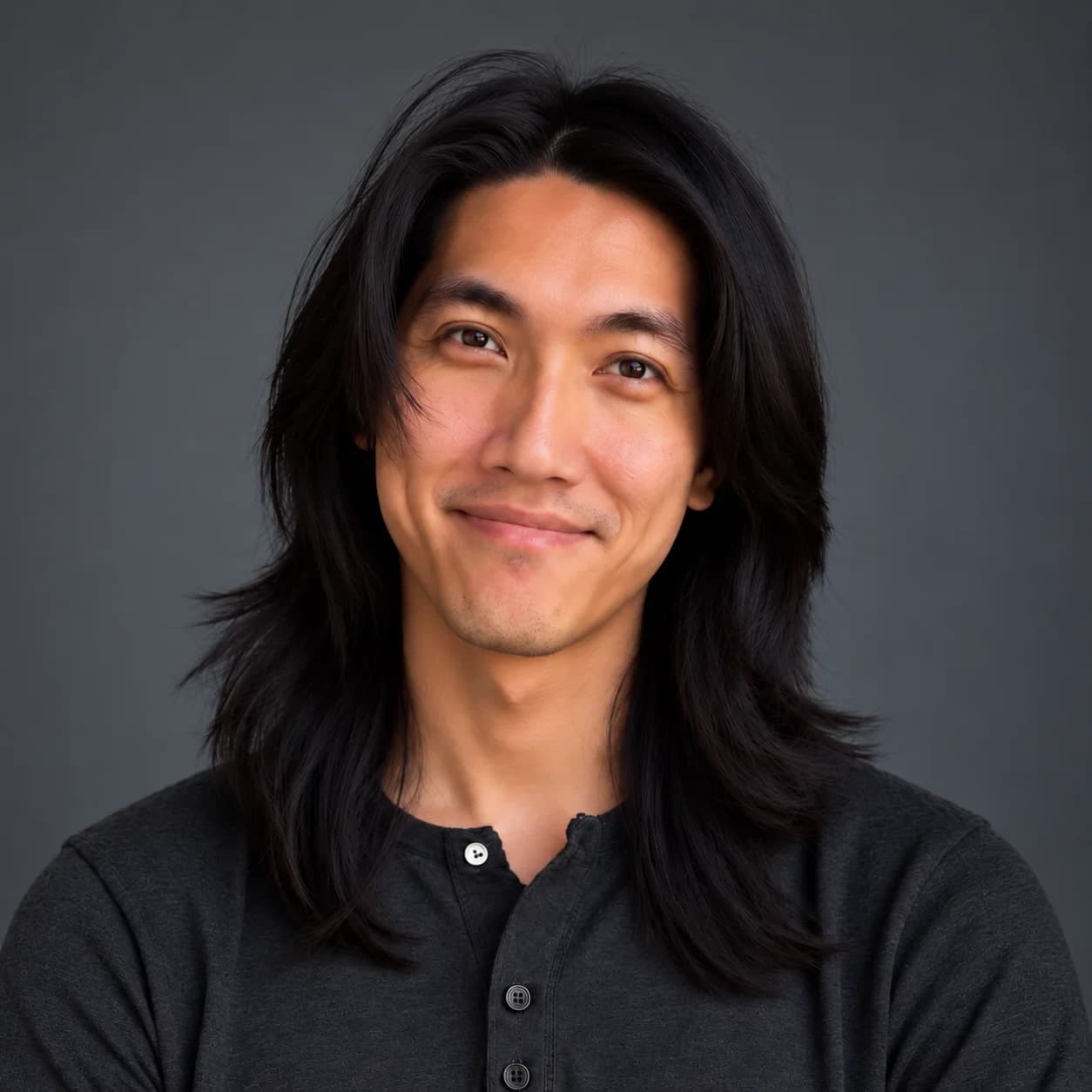
Therapist - ASCW
My name is Huy Nguyen, and I am an Associate Clinical Social Worker. My therapeutic approach is grounded in empathy, collaboration, compassion, and individualized care. I use a warm and direct approach, creating a space where clients can feel supported while also being gently challenged when it can help them grow. I believe that clients are the experts of their own experiences, and my role is to work alongside them to identify the tools and strategies that can help them navigate life more effectively. I draw from a variety of therapeutic approaches, including Cognitive Behavioral Therapy (CBT), Cognitive Processing Therapy (CPT), Dialectical Behavior Therapy (DBT), Acceptance and Commitment Therapy (ACT), Internal Family Systems (IFS), and Brainspotting. I tailor these approaches to each client’s unique experiences, needs, and goals rather than believing that one approach works for everyone. My decision to become a therapist was deeply influenced by my own personal experiences with therapy and witnessing how transformative that process can be. Those experiences shaped my belief that therapy can provide not only a place to heal, but also a space to better understand ourselves, develop new ways of coping, and build a life that feels more meaningful. My hope is not to help clients avoid the waves that life inevitably brings, but to help them find calmer seas while developing the skills and confidence to navigate the big waves when they come. Healing may look different for everyone, and I want to help each client discover what healing means for them and find their own way forward.
Therapist - AMFT
Ryan Ruiz is a dedicated and compassionate therapist at Connections Mental Health, bringing over seven years of experience and more than 3,000 hours of clinical work in substance use and mental health treatment. With a strong foundation in addiction recovery, trauma, and co-occurring disorders, Ryan has provided individual and group therapy across reputable treatment centers, developing personalized treatment plans that foster long-term healing and growth. His expertise spans mindfulness, trauma recovery, and psychodrama, and he has been an active member of interdisciplinary teams focused on clients’ mental, emotional, and physical wellness. As a Marriage and Family Therapist Associate, Ryan is deeply committed to expanding his clinical knowledge and staying at the forefront of evidence-based approaches in addiction and mental health care. His therapeutic style blends empathy, structure, and innovation, helping clients navigate challenges with clarity and confidence. Ryan’s holistic approach emphasizes treating the whole person—addressing both the addiction and the underlying issues that contribute to distress and dysfunction. Beyond his clinical role, Ryan is passionate about mindfulness, personal growth, and mental health advocacy. His dedication to helping others extends into the broader community, where he supports initiatives that promote awareness and recovery. With his extensive experience, compassion, and unwavering commitment to client well-being, Ryan Ruiz is a valued member of the Connections Mental Health team, guiding individuals toward lasting change and self-discovery.
When You Need More Support Than You Can Find at Home
There comes a time to make a choice when your mental health symptoms are making it hard to survive the day. Whether you’re struggling to get through basic routines or feeling overwhelmed most of the time, pushing through only works for so long, and regaining stability without making any changes can be hard.
If you’re finding it hard to manage on your own, you’re not alone.
Residential inpatient mental health treatment exists for people who need consistent support and structure throughout the day. Across Ventura, there are more than 97 treatment programs available within 20 of Ventura, offering mental health care in a setting where you can focus fully on recovery.
Stepping into the right structured environment can give you the space needed to stabilize, heal, and reset, and not all programs are created equal.
If you’re considering residential inpatient mental health treatment near Ventura, view our top-rated facilities for our mental health treatment programs, which offer guidance and comprehensive treatment options to help you move forward with care and understanding.
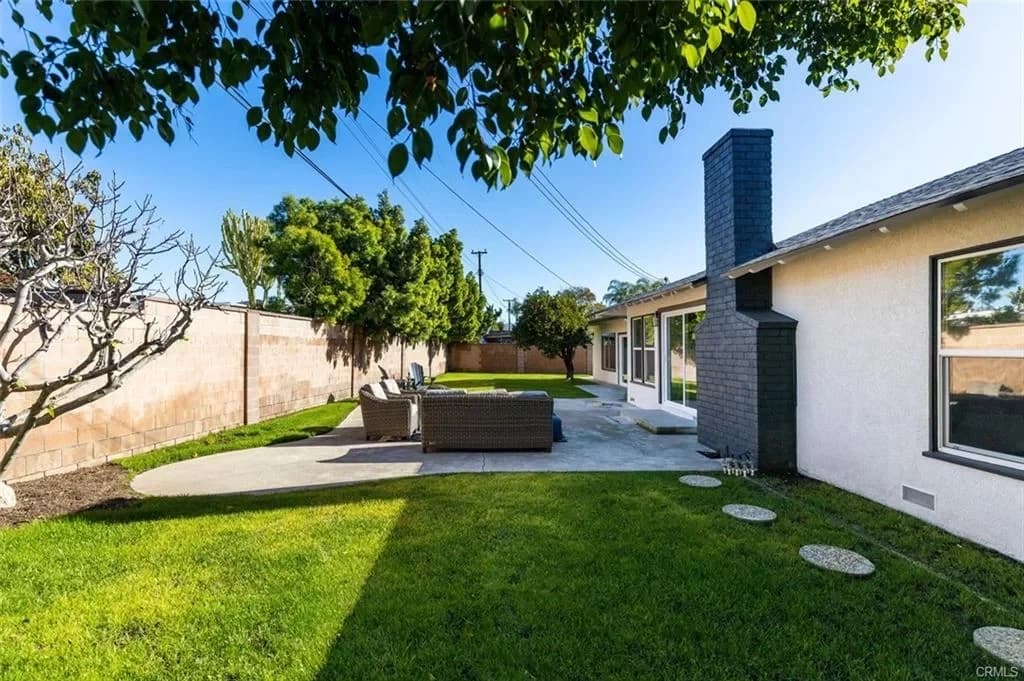
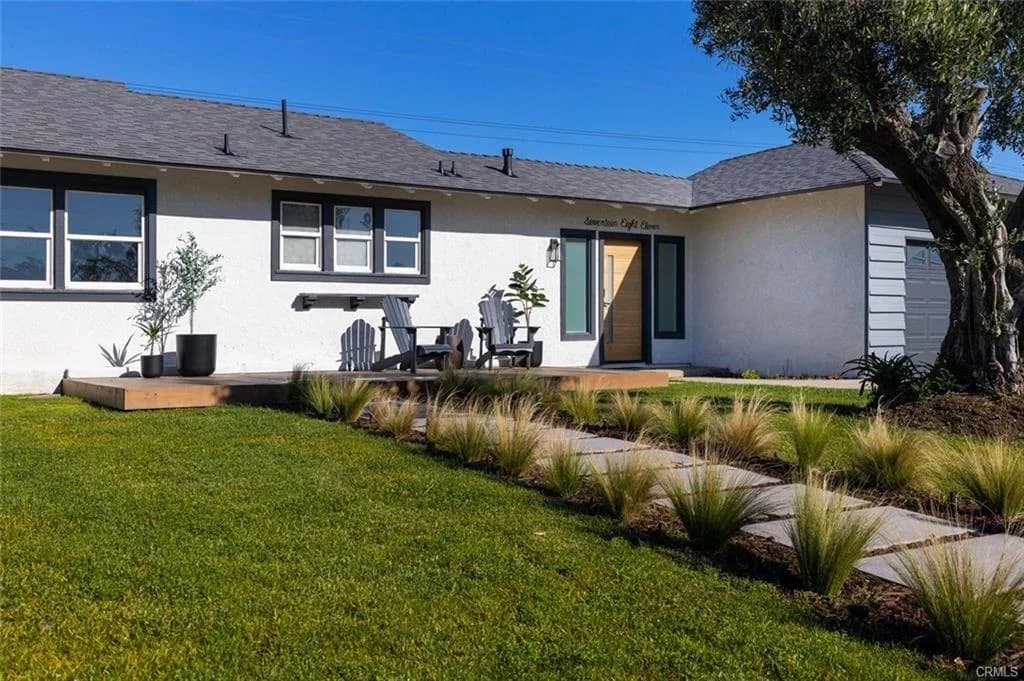
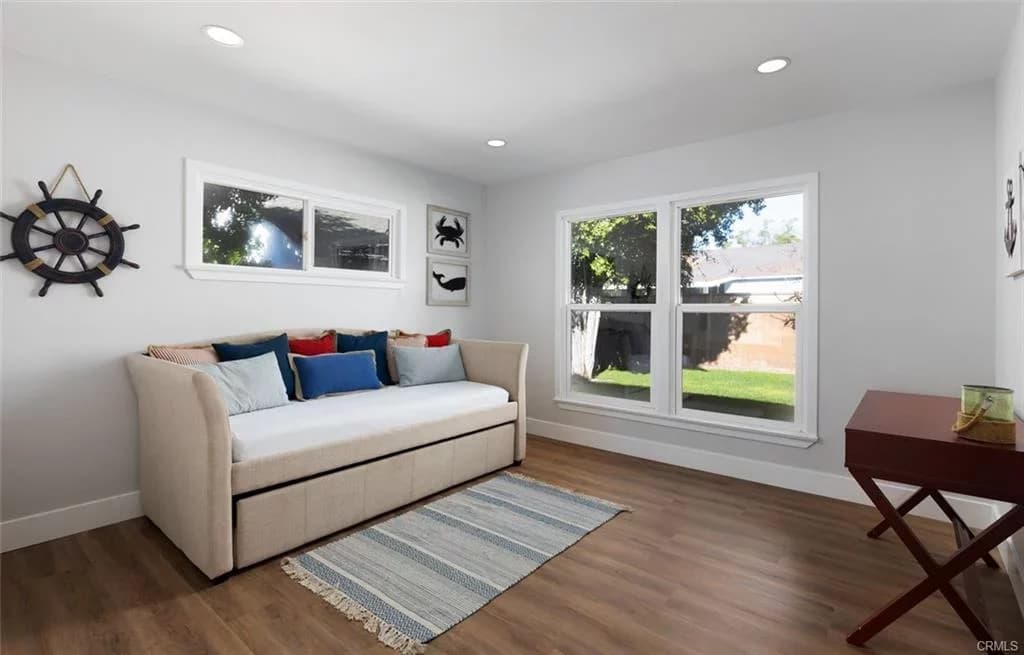
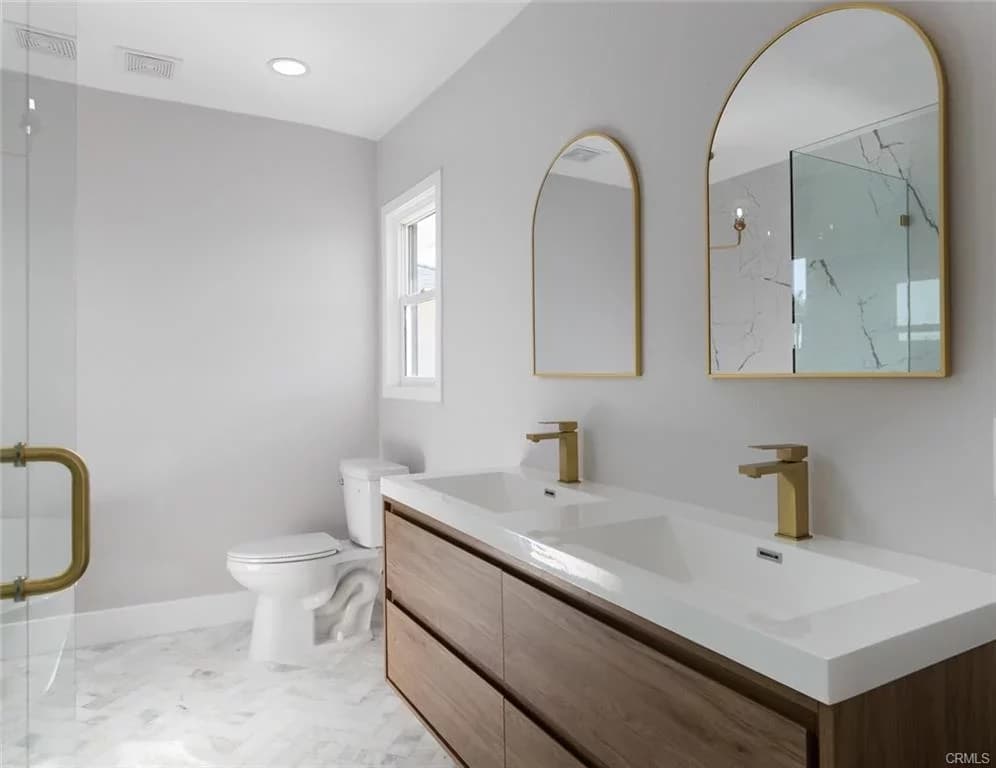
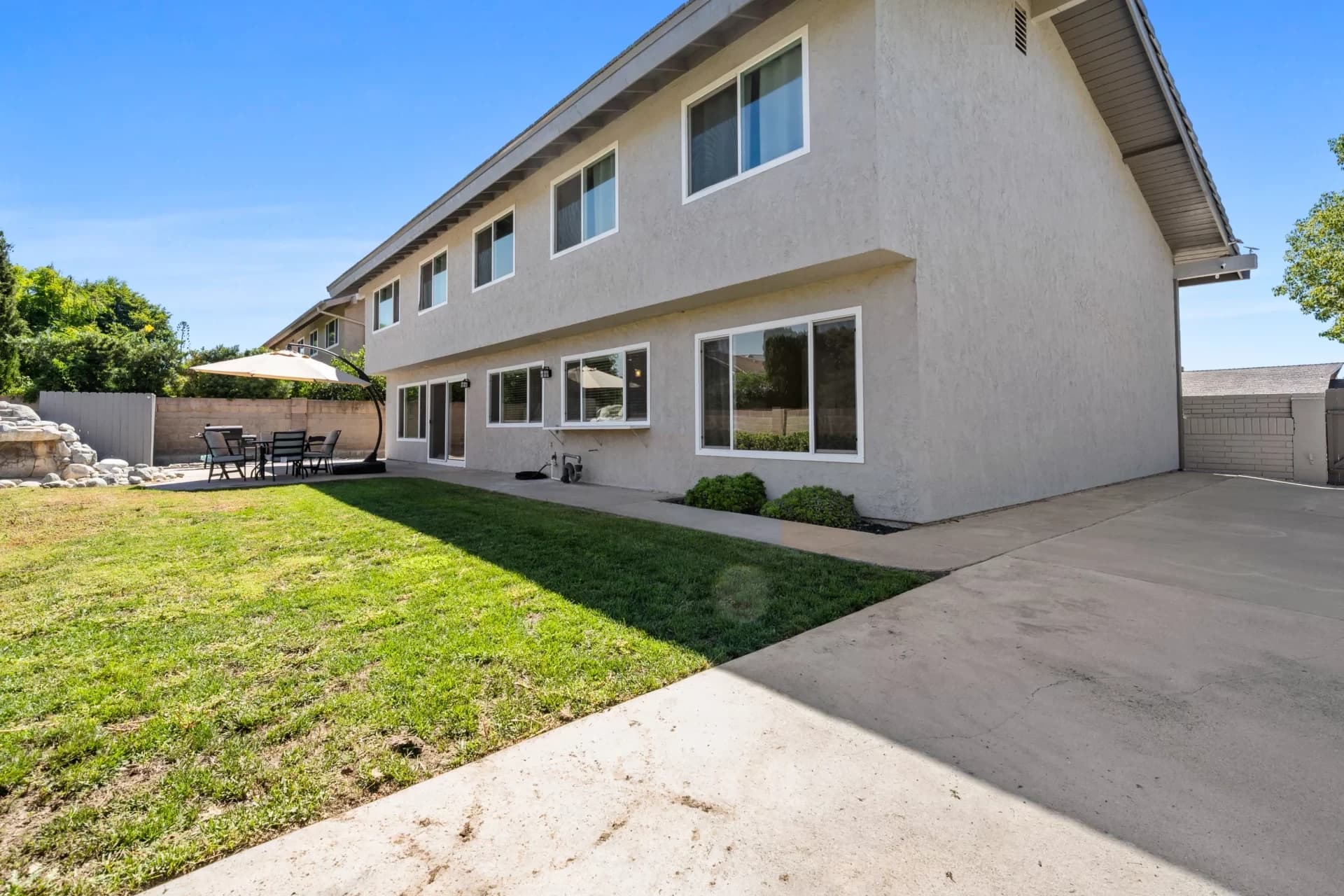
Tour Our Warm, Residential Inpatient Mental Health Facilities Near Ventura
1 / 26
We Accept Most Major Insurance
View our wide selection of accepted providers for our Orange County rehab. Don’t see yours?






When You Need a Safe Place to Grow Near Ventura
For some people, everyday stressors can worsen mental health symptoms. You may be avoiding situations that feel overwhelming and triggering or feeling like your emotions are difficult to control. In these moments, having a safe and supportive setting can make a meaningful difference.
If your environment feels overwhelming and it’s making it harder to heal, you’re not alone.
Residential programs expanded because many people need immersive care to begin stabilizing their mental health.
-
There are more than residential treatment programs within of Ventura, offering structured environments where individuals can receive continuous care.
-
At least 14 programs accept private insurance within of Ventura, helping reduce financial barriers to treatment.
-
Around 62 facilities maintain a minimum rating of 4 with at least 10 reviews within 20 of Ventura, reflecting environments where individuals reported feeling supported during treatment.
Not every residential program offers the same level of structure, and finding the right setting can make treatment feel more effective and manageable.
If you’re considering residential inpatient mental health treatment near Ventura, view our top-rated facilities for our addiction and mental health treatment programs, which offer guidance and comprehensive treatment options to help you move forward with care and understanding.
What Results Can You Expect From Residential Mental Health Programs?
Within our residential inpatient mental health program near Ventura, profound healing emerges as we prioritize authentic inner recovery in spaces designed to recognize each individual’s full humanity beyond any clinical label.
Our comprehensive services feature:
-
Evidence-based therapeutic methods (CBT, DBT, MAT, family therapy, and more) seamlessly blended with holistic wellness approaches (yoga, mindfulness training, etc.)
-
Personalized treatment protocols, innovative techniques, and healing strategies that center each individual’s unique journey
-
Science-supported therapeutic approaches featuring emotional regulation development, thought pattern restructuring, and behavioral activation methods
-
Peer support networks and shared responsibility frameworks
-
Qualified, licensed clinical professionals – many with lived experience who deeply comprehend the struggles our clients face
Research published by the American Psychological Association validates therapeutic intervention effectiveness, revealing significant and enduring improvements across diverse mental health presentations. Our residential mental health treatment framework combines symptom stabilization with essential life skills training to support clients toward long-term wellness. Carefully structured healing environments alongside superior clinical expertise empower our clients to build solid groundwork for purposeful, enriching futures.
Location Overview
Our clean and modern facilities are located beautiful beaches and a thriving sober community. Clients enjoy easy access to local hiking spots, beaches, restaurants & more nearby.
Close to The Beach
National Parks Nearby
Mild, Comfortable Weather
Strong Local Sober Community
Are You Looking to Travel Ventura for Residential Mental Health Treatment?
Superior treatment centers don’t always exist within your immediate vicinity. California’s northern regions bask in roughly 300 days of sunshine each year, establishing these areas among the nation’s most luminous destinations. Scientific studies confirm that Vitamin D absorption, sunlight exposure, and environmental shifts can substantially improve psychological wellbeing. Direct observation at our center has validated these advantages through individuals who traveled across the country seeking residential mental health treatment.
Selecting distant residential inpatient services allowed our participants to:
-
Strengthen their commitment to healing
-
Reduce exposure to familiar mental health triggers
-
Cultivate a renewed personal identity and enhanced confidence levels
Based in Northern California, Connections Mental Health offers an exceptional setting for launching your recovery transformation within a temperate, peaceful region renowned for its flourishing wellness community.
Why Choose Our Residential Inpatient Mental Health Program Near Ventura
Our residential inpatient mental health programs utilize innovative, evidence-based therapies to help clients strengthen their coping skills.
Connections Mental Health near Ventura, is proud to be an inclusive residential facility. We welcome people from all walks of life, including LGBTQ+ individuals, first responders, veterans, faith-based clients, and young adults aged 18+. We’re also able to connect teens under 18 to age-appropriate care—this way, everyone has a chance at the fresh start they deserve.
Mental Health Therapies Used in Orange County
Connections Mental Health uses evidence-based mental health therapies backed by the latest advances in mental health treatment and administered by experienced clinicians.
Cognitive Behavioral Therapy (CBT)
CBT helps individuals identify and change negative thought patterns and behaviors that contribute to addiction and mental health challenges. By learning practical coping strategies, clients gain healthier ways to manage stress and triggers in daily life.
Dialectical Behavior Therapy (DBT)
DBT focuses on building emotional regulation, mindfulness, and interpersonal effectiveness skills. It is especially effective for those dealing with intense emotions, self-destructive behaviors, or co-occurring mental health conditions.
Medication-Assisted Treatment (MAT)
MAT combines FDA-approved medications with counseling and behavioral therapies to treat substance use disorders. This approach reduces cravings and withdrawal symptoms, helping clients stay engaged in recovery.
Group & Family Therapy
Group & Family Therapy involves collaborative counseling sessions that bring individuals together with peers or loved ones to build strong support systems and heal relationship dynamics. This approach helps improve communication, foster deep mutual understanding, and provide shared coping strategies that support long-term wellness and collective recovery.
Couples Mental Health Treatment
Couples Mental Health Treatment helps partners navigate relationship conflicts, improve communication, and support each other through mental health challenges. By working together in a supportive space, couples learn to rebuild trust, address emotional triggers, and strengthen their bond for a healthier future together.
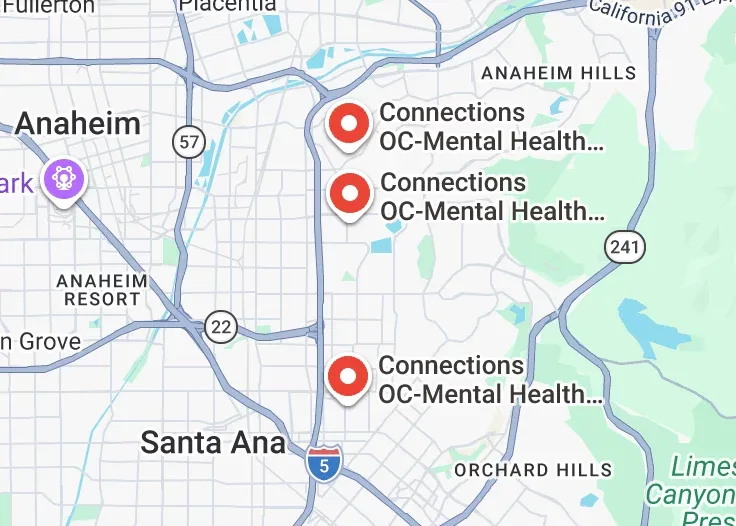
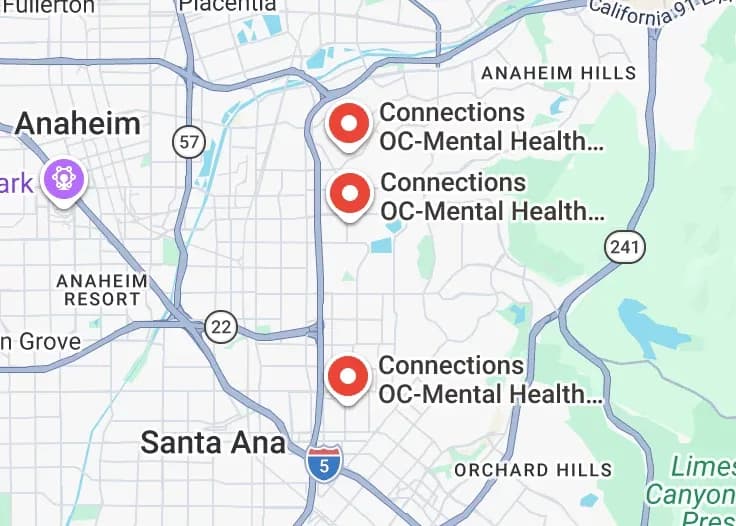
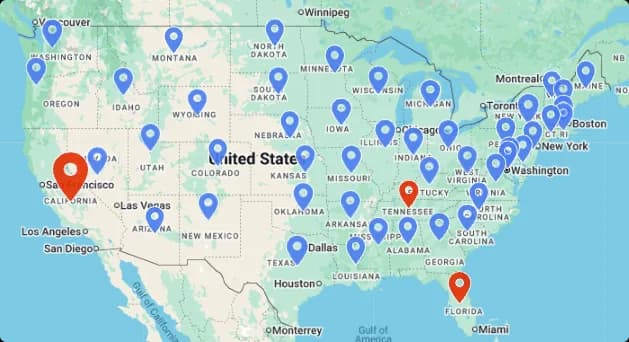
Our Treatment Network Locations Across US
Connections Mental Health belongs to a trusted network of mental health treatment centers across the nation.
*Red Pins: Our Locations / Blue Pins: States Patients Have Traveled From
What Our Clients Say
5 Star Google Reviews
Evidence-Based Orange County Mental Health Treatment
Evidence-Based Orange County Mental Health Treatment
At our behavioral health treatment center in Orange County, we utilize evidence-based treatments and therapy to bring you or your loved one the highest quality of care, rooted in the most recent psychiatric science.
Cognitive Behavioral Therapy (CBT)
CBT is a structured, evidence-based therapy that helps our clients identify and change negative thought patterns and behaviors that contribute to emotional difficulties, such as anxiety or depression. It focuses on problem-solving and developing healthier coping strategies.
Dialectical Behavior Therapy (DBT)
DBT combines cognitive-behavioral techniques with mindfulness practices to help regulate emotions, manage stress, and improve relationships. It is especially effective for treating borderline personality disorder, self-harm, and chronic suicidal ideation.
Holistic Therapy
Our holistic therapy treatments focus on healing the whole person—mind, body, and spirit—by integrating traditional psychotherapy with alternative treatments such as meditation, yoga, and nutrition. This approach promotes overall well-being and balance.
EMDR (Eye Movement Desensitization and Reprocessing)
EMDR is a therapeutic approach that helps our clients process and heal from trauma by using guided eye movements to reduce the emotional impact of distressing memories. It is particularly effective for treating PTSD and other anxiety-related disorders.
Seeking Safety
Seeking Safety is a trauma-informed therapy designed to help our clients who struggle trauma and PTSD. It emphasizes coping skills, safety, and personal empowerment to reduce the risk of re-traumatization.
Motivational Interviewing
Motivational Interviewing is a counseling approach that encourages our clients to find their own motivation for making positive behavioral changes, often used in mental health treatment and health-related behavior changes.
Medication Management
We offer medication management, which provides careful monitoring and adjustment of psychiatric medications by a healthcare provider to ensure they are effective and properly addressing mental health symptoms. This process may include regular check-ins and dosage adjustments to optimize treatment outcomes.
Individualized Treatment
Our treatment center only sees up to 6 clients at a time, meaning you or your loved one will receive the highest level of care and attention, customized to the specific needs of each individual.
Family-Like Environment
Our founders have been through treatment for mental health themselves, and are passionate about creating an atmosphere where our clients can connect with like-minded individuals and feel like they’re part of a family.
Comfortable & Safe Accommodations
Recovering from a mental health disorder is not easy, so we take the utmost care in providing a treatment program that is safe and comfortable, with 24/7 supervision and support.
FAQs: Residential Inpatient Mental Health Treatment Near Ventura
Insurance benefits for residential mental health services in Ventura – understanding your coverage?
Major healthcare plans generally encompass residential inpatient mental health care near Ventura. Our dedicated team assists with benefit verification and provides comprehensive coverage details for your specific policy.
Clinical methodologies employed within residential inpatient mental health facilities?
Research-backed therapeutic techniques anchor our programs, integrating CBT, DBT, motivational interviewing, trauma-focused interventions, and group counseling sessions to support behavioral transformation and build lasting recovery skills.
Group therapy benefits – exploring its genuine impact?
Shared accountability, empathetic connections, and enhanced communication abilities define group therapy within residential inpatient mental health settings, diminishing feelings of isolation during the healing journey.
Contrasting individual versus group therapeutic sessions in residential inpatient mental health care?
Customized treatment goals and personal narratives shape individual therapy encounters, while group sessions foster peer relationships, collective responsibility, and interpersonal skill enhancement.
Privacy safeguards within residential inpatient treatment therapeutic sessions?
Certainly. Rigorous privacy standards protect both individual and group residential inpatient therapy interactions, establishing safe spaces where participants can express themselves openly.
Integrative therapy concepts and implementation in residential mental health care near Ventura?
Alternative healing modalities including mindfulness practices, yoga sessions, creative arts therapy, and breathing techniques support emotional balance, anxiety reduction, and holistic wellness alongside traditional clinical interventions.
Concerns about vulnerability during residential mental health program participation?
Initial engagement in residential inpatient mental health services represents a new experience for numerous participants. Compassionate therapist support eliminates expectations to articulate perfectly, honoring each person’s readiness level.
Mental blocks or withdrawal responses during residential inpatient mental health sessions?
Expert preparation enables therapists to navigate withdrawal patterns, panic responses, or disconnection episodes. Non-judgmental assistance maintains emotional stability and security during therapeutic encounters.
Related Pages
IOP Rehab near Ventura (Residential Mental Health Treatment Centers)
DBT Therapy near Ventura (Residential Mental Health Treatment Centers)
EMDR Therapy near Ventura (Residential Mental Health Treatment Centers)
Depression Treatment near Ventura (Residential Mental Health Treatment Centers)
Bipolar Disorder Treatment near Ventura (Residential Mental Health Treatment Centers)
Neurodevelopment Disorder Treatment near Ventura (Residential Mental Health Treatment Centers)
Eating Disorders Treatment near Ventura (Residential Mental Health Treatment Centers)
Personality Disorders Treatment near Ventura (Residential Mental Health Treatment Centers)
Psychotic Disorders Treatment near Ventura (Residential Mental Health Treatment Centers)
PTSD Treatment near Ventura (Residential Mental Health Treatment Centers)
Inpatient PTSD Treatment near Ventura (Residential Mental Health Treatment Centers)
Mental Health Treatment near Stanton (Residential Mental Health Treatment Centers)
Mental Health Treatment near San Clemente (Residential Mental Health Treatment Centers)
Mental Health Treatment near Los Alamitos (Residential Mental Health Treatment Centers)
Mental Health Treatment near Laguna Woods (Residential Mental Health Treatment Centers)
Mental Health Treatment near Laguna Niguel (Residential Mental Health Treatment Centers)
Orange Mental Health Treatment (Residential Mental Health Treatment Centers)
Mental Health Treatment near Placentia (Residential Mental Health Treatment Centers)
Mental Health Treatment near Rancho Santa Margarita (Residential Mental Health Treatment Centers)
Mental Health Treatment near Santa Barbara (Residential Mental Health Treatment Centers)
Mental Health Treatment near San Diego (Residential Mental Health Treatment Centers)
Mental Health Treatment near San Bernardino (Residential Mental Health Treatment Centers)
Begin your journey to recovery.
Get evidence-based treatment in a peaceful location, with a team of dedicated, expert staff.
We Accept Most Major Insurance
Take the first step toward better mental health.
Make the process simple. Ensure your benefits cover treatment.
Explore our locations nationwide.
Disorders We Treat
We treat a wide range of mental health conditions with compassion-based techniques and an expert clinical staff. Conditions we treat include:
- Anxiety Disorders
- Mood Disorders
- Trauma Disorders
- Personality Disorders
- Psychotic Disorders
- And More




You’re Not Alone.
Get treatment from a team of expert staff who is passionate about helping you experience peace.
Website Guide Progress...
What most patients want to know before they book
1Protect your job while you come to treatmentNEXT2Can Insurance cover rehab treatment?NEXT3Why Traveling or Staying Close to home can both be great options.NEXT4Locations & GalleriesNEXT5Staff pageNEXT6ReviewsNEXT7What to bring to treatmentNEXT8Treatment & Therapies we provideNEXT9Admissions ProcessNEXT10Contact UsNEXT11Residential Inpatient vs Hospital InpatientNEXT