After reading this current page, click on the next page we recommend here, or at the bottom of this page.
If you find yourself thinking, “I wish I was dead“, this is a strong sign that you should seek help. You are not alone in this struggle, and support is available to guide you through this challenging time. Please reach out to Connections Mental Health at 844-759-0999 for compassionate assistance or contact the national Suicide and Crisis Lifeline by dialing 988 to speak with someone right away. Your life is valuable, and help is here for you.
What Causes Thoughts Like “I Wish I Was Dead”?
Thoughts like “Sometimes I wish I was dead” can be alarming and are often indicative of deep-seated emotional distress. Various factors can trigger such thoughts, including:
Mental health disorders: Mental health conditions like depression, bipolar disorder, or anxiety disorders can often trigger feelings of extreme despair or hopelessness.
Traumatic events: Experiences such as loss, abuse, or significant life changes can lead to thoughts of not wanting to live and frustrated expressions of “wish I was dead”.
Chronic stress or burnout: Prolonged periods of stress without relief can contribute to a sense of helplessness or a desire to escape from the situation.
Substance use: Alcohol or drugs can exacerbate negative feelings and lead to suicidal ideation.
Isolation and loneliness: Lack of social support can intensify feelings of worthlessness and increase thoughts of death or dying.
Physical health conditions: Chronic pain or debilitating illnesses can sometimes lead to suicidal thoughts due to the constant struggle and perceived burden on others.
Recognize these thoughts as a sign to seek help, not a reflection of a person’s true desire to end their life. These are often symptoms of treatable conditions or situations that can improve with the right support and intervention.
If you’re struggling with thoughts like these, please reach out to Connections Mental Health at 844-759-0999 for specialized care, or if you’re in immediate need, call the Suicide and Crisis Lifeline at 988 to speak with someone who can help right now. Your feelings do not have to be permanent, and there is hope for a better tomorrow.
Signs You Should Get Help for Thoughts of Death
If thoughts of death are recurring in your mind, it’s a clear signal that you should seek help. Here are signs that these thoughts have become serious enough to warrant immediate attention:
If you recognize any of these signs in yourself or someone else, reach out for professional help. Remember, asking for help is a sign of strength, and support is always available.
How to Get Help for Depression and Suicidal Thoughts
Getting help for depression and suicidal thoughts is a courageous step towards recovery. Here’s how you can get started:
Reach out to hotlines: Immediate help is available through the Suicide and Crisis Lifeline at 988. You can talk to trained counselors who are ready to listen and provide support at any time.
Contact mental health services: Call Connections Mental Health at 844-759-0999 for professional guidance and to learn about the treatment options available to you.
Seek therapy: Engaging in therapy with a licensed mental health professional can provide you with strategies to manage your thoughts and feelings and address the root causes of your depression.
Join support groups: Connect with others who have similar experiences. Support groups offer a space to share your story and hear from others who understand what you’re going through.
Explore medication options: In some cases, medication may be helpful. A healthcare provider can discuss whether this is a suitable option for you.
Remember, you are not alone, and help is within reach. Taking the first step by reaching out can lead to effective support and treatment, helping you navigate through this challenging time towards a place of hope and healing.
Get Treatment for Depression & Suicidal Thoughts at Connections
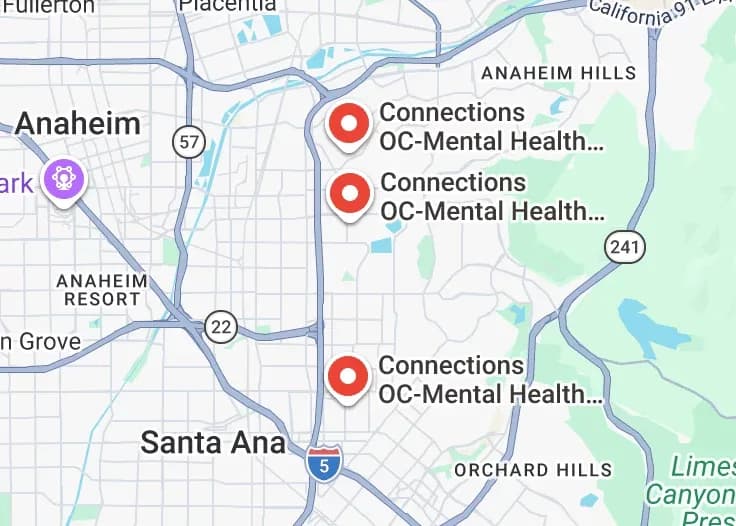
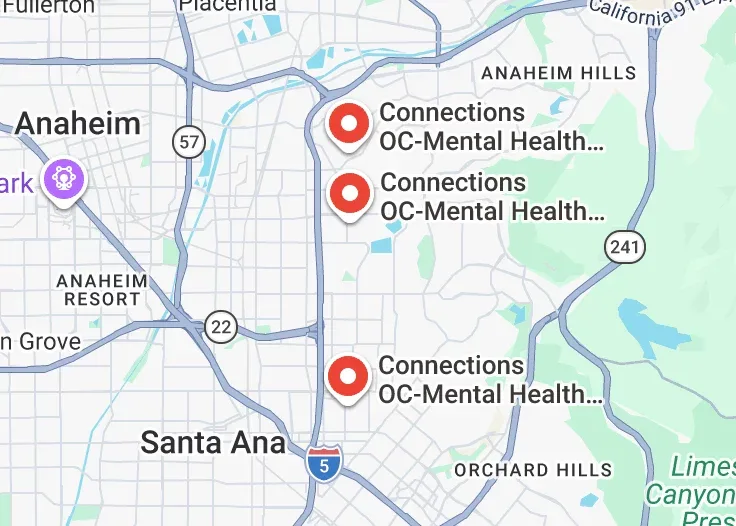
If you are worried about interacting with lots of people and being overwhelmed by the treatment process, our small and inclusive facility offers the perfect workaround. We limit intake to six individuals at any one time, enabling you to benefit from peer support while still accessing personalized care.
Our compassionate treatment team is committed to helping you restore everyday functioning that’s been disrupted by episodes of depression and suicidal ideation. Access an individualized blend of holistic, behavioral, and pharmacological treatments for a whole-body approach to healing. Call 844-759-0999 when you are ready to make meaningful change.
What types of mental health programs are available in Orange County?
Mental health programs near Orange County offer a full continuum of care, including inpatient treatment, partial hospitalization (PHP), intensive outpatient (IOP), and standard outpatient (OP) services. Whether you’re looking for structured care or flexible support, mental health treatment programs are designed to meet a range of needs.
How do I know if I need mental health treatment near Orange County?
If you’re experiencing persistent feelings of anxiety, depression, stress, mood changes, difficulty coping with daily responsibilities, or emotional challenges that are affecting your work, relationships, or overall well-being, it may be time to seek professional support. A mental health assessment can help determine the level of care that’s right for you and connect you with the appropriate treatment options.
What mental health conditions are treated at Orange County mental health centers?
Mental health treatment centers in Orange County commonly provide care for conditions such as anxiety disorders, depression, bipolar disorder, PTSD, trauma-related disorders, OCD, mood disorders, and other emotional or behavioral health concerns. Treatment plans are personalized to each individual’s unique needs, goals, and clinical recommendations.
Will my insurance cover mental health treatment in Orange County?
Many major insurance providers offer coverage for mental health services, including partial hospitalization (PHP), intensive outpatient (IOP), and outpatient treatment programs. Coverage varies by plan, so verifying your benefits with the treatment center can help you understand your available options and any potential out-of-pocket costs.