After reading this current page, click on the next page we recommend here, or at the bottom of this page.
Art and mental health are closely connected, offering many benefits. Painting, writing, or playing music can help improve focus, boost self-esteem, and reduce stress.
Art therapy is a way to use creative activities to help people feel better, and it can be helpful for mental health. Sometimes, it’s hard to talk about feelings, but art therapy lets you show your feelings through drawing, painting, or sculpting. This helps you understand your emotions better and makes it easier to talk about them later.
Making art can help you relax and feel less stressed. When you focus on creating something, your mind stops worrying, making you feel calm and peaceful. Additionally, creating art can make you feel happy and satisfied. When you see what you’ve made, you can feel proud and accomplished, which can lift your mood and make you feel better about yourself.
Art therapy also helps to boost your confidence by encouraging you to create something unique. Seeing your art and getting positive feedback from others can make you feel good about yourself. It also helps you to think creatively and find new ways to solve problems, helping you become better at thinking differently and coming up with solutions in everyday life.
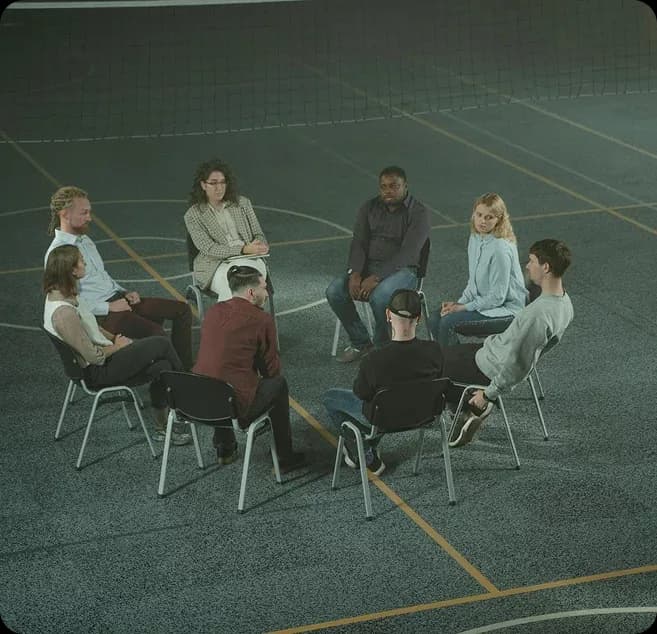
You can meet new people and make friends in group art therapy sessions. Working on projects together helps you learn to share, cooperate, and communicate with others. Art therapy offers a safe place to explore your thoughts and feelings without judgment, allowing you to express yourself freely and know that your art is a personal and private way to communicate.
For people who have experienced trauma, art therapy can be a gentle way to start healing. It helps them express difficult emotions and begin to process their experiences. Art therapy uses the power of creativity to help people improve their mental health. By making art, you can express emotions, reduce stress, improve mood, boost self-esteem, and develop important life skills. It’s a wonderful way to care for your mental health and feel better overall.
The Stats About Art’s Effects on Mental Health
Research shows that doing creative activities helps mental health. A major review of studies found that art therapy can reduce anxiety, stress, and mood problems. So, drawing, painting, and other creative activities can make you feel calm and happy.
Art therapy helps the whole person, not just the condition. Using art to express feelings helps people understand and manage these conditions. This helps heal physically, emotionally, and mentally.
Art therapy also helps people with PTSD (post-traumatic stress disorder). It shows good results in treating tough symptoms like avoiding things and feeling numb. Art therapy can be part of a treatment plan for PTSD, along with other therapies.
Research over thirty years shows creative expression changes mood, attitudes, and emotions. It also affects the body by lowering blood pressure and improving sleep. Art and mental health benefits include:
Lowering blood pressure
Reducing stress
Promoting relaxation
Reducing anxiety and depression
Improving quality of life
Art therapy can be used alongside other treatments to help find the best combination for each person. Everyone is different, so try different therapies to see what works best for you. Through creative expression, you can improve your mental health and overall well-being.
Types of Art Therapy for Mental Health Benefits
Many different types of art therapy can help improve mental health. Here are some popular ones:
Music and dance
Playing instruments, singing, or dancing are all forms of art therapy. These activities let you express yourself through sound and movement. They can lift your mood and make you feel more energetic.
Drawing and painting
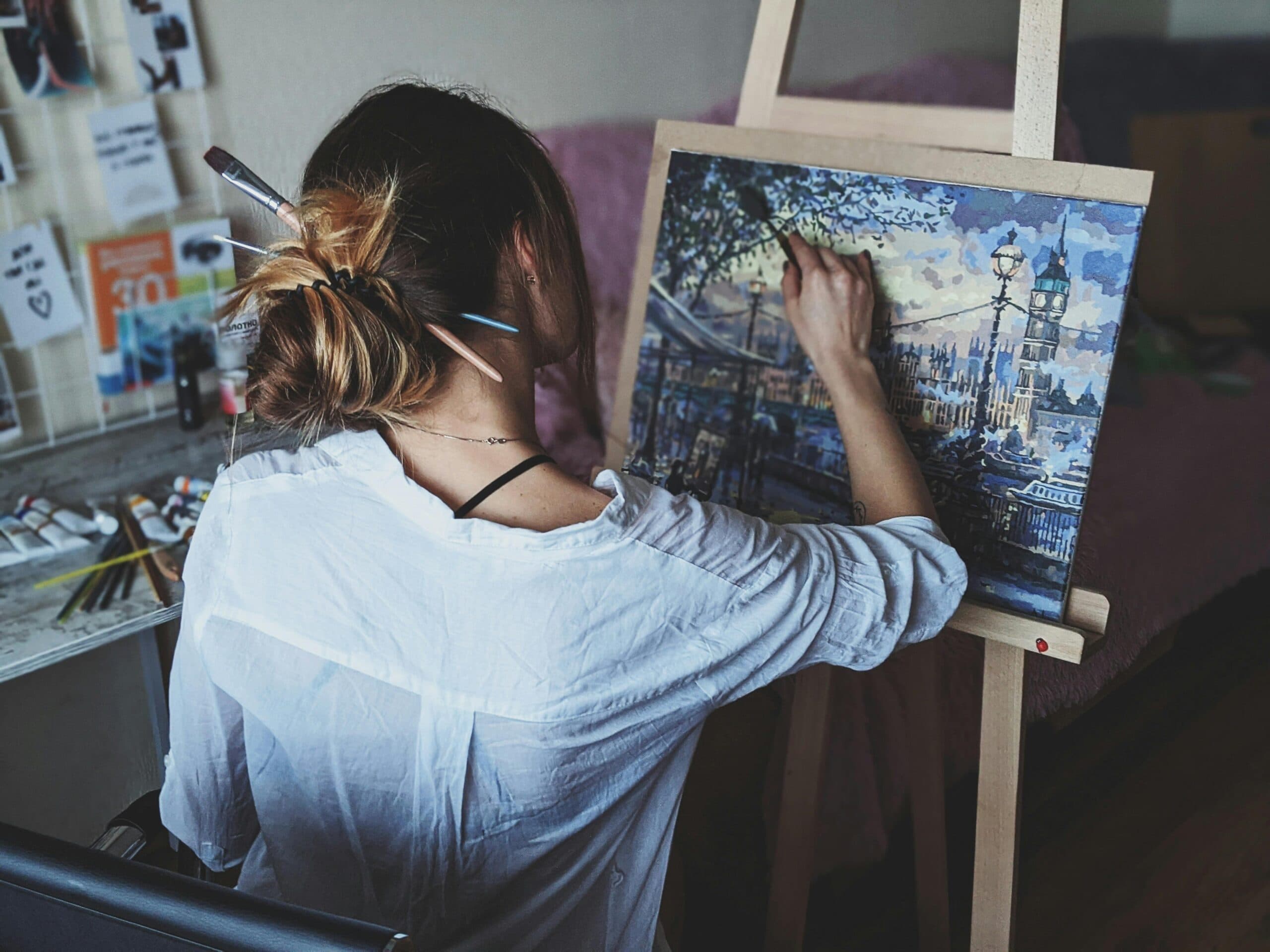
In this form of art therapy, you use pencils, crayons, markers, or paints to create pictures. This helps you colorfully express your feelings and thoughts. It’s great for relaxing and letting your imagination flow.
Sculpting
Using clay or other materials, you can mold and shape objects. Sculpting helps you focus and think about how you feel. It’s also a good way to release stress and tension.
Crafting
Making things with your hands, like knitting, sewing, or building models, can be satisfying. Crafting helps you focus, reduces stress, and gives you a sense of achievement when you finish a project.
Writing and poetry
Sometimes, writing or keeping a journal can help you understand your emotions better. You can put your thoughts into words and safely share your feelings.
Collage making
With collage making, you cut and glue pictures, words, and other items onto a surface. This allows you to create a visual story or express ideas that are important to you. It’s fun and helps you think creatively.
Photography
Taking pictures of things you find interesting or beautiful can be very calming. Photography helps you see the world differently and capture moments that make you happy.
Each type of art therapy has its benefits, and you can choose the one that feels right for you. Trying different types can help you find the best way to improve your mental health through creativity.
5 Benefits of Being Creative
Creativity can help with many areas of overall mental health.
1) Reduces stress
Drawing, painting, or playing music, can significantly reduce stress. When you do these activities, your body releases less cortisol (a hormone related to stress). Instead, your body produces endorphins, also known as feel-good hormones. This helps you feel more relaxed and peaceful. Creative activities give you a break from worries and daily pressures, providing a soothing effect.
2) Improves focus
Creativity can put us in a flow state, where we become deeply focused and fully absorbed in an activity. This state is often called beingin the zone. You experience a sense of euphoria and mindfulness when in the zone. This intense concentration helps you focus on the task, improving your attention span. Being in a flow state also makes you more aware of the present moment, reducing distractions and enhancing your ability to complete tasks efficiently. The feeling of accomplishment you get from this state boosts your confidence and encourages you to stay engaged.
3) Boosts self-esteem
Creating something unique, whether a painting, a piece of music, or a story, can make you feel proud and accomplished. This sense of achievement boosts your self-esteem and confidence. When you see the finished product of your creative efforts, you feel a sense of pride and satisfaction. This positive feedback loop encourages you to continue doing these things, further enhancing your self-worth. Additionally, sharing your creations with others and receiving positive feedback can reinforce your sense of accomplishment and boost your self-esteem even more.
4) Enhances problem-solving
Engaging in creative activities helps you think differently and develop innovative solutions to problems. Creativity involves exploring a range of perspectives and experimenting with new ideas. This process enhances your problem-solving skills by encouraging you to look at challenges from various angles and create multiple solutions. Creative thinking also promotes flexibility and adaptability, essential skills for solving complex problems. Whether working on a school project, solving a puzzle, or dealing with a real-life issue, your enhanced problem-solving abilities will help you find effective and creative solutions.
5) Increases happiness
Participating in creative activities can significantly boost your happiness and overall well-being. When you engage in something you enjoy, such as painting, writing, or dancing, your brain releases dopamine, a chemical associated with pleasure and reward. This makes you feel happy and satisfied. Creative activities also allow you to express your emotions and thoughts, which can be therapeutic. You can better understand and process your emotions and improve your mental health by channeling your feelings into your creations. Additionally, the joy and fulfillment you get from being creative can improve your overall mood and make you feel more positive and content.
Art & Mental Health | FAQs
How often do I need to do art to see its benefits on my mental health?
You can see the benefits by doing art a few times a week. Even short, regular sessions can help improve your mood and reduce stress.
Will any kind of art help my mental health?
Yes, any kind of art can help your mental health. Drawing, painting, sculpting, or coloring can make you feel better.
What are other creative ways to help my mental health?
Writing, dancing, playing music, or crafting can help your mental health. These activities can make you feel happy and relaxed.
Improve Your Mental Health with Art Therapy & More at Connections
Effective mental health treatment can help you feel and function better – we can help you with this at Connections Mental Health in Southern California.
We limit the group size to six people. This means you can deal with mental health problems together with peers tackling similar issues while still getting plenty of personal attention.
All mental health conditions are unique, so all treatment programs at Connections reflect this with personalized therapies. You can access art therapy, talk therapy, family therapy, and counseling.
For compassionate and effective mental health treatment, call Connections at 844-759-0999.
What types of mental health programs are available in Orange County?
Mental health programs near Orange County offer a full continuum of care, including inpatient treatment, partial hospitalization (PHP), intensive outpatient (IOP), and standard outpatient (OP) services. Whether you’re looking for structured care or flexible support, mental health treatment programs are designed to meet a range of needs.
How do I know if I need mental health treatment near Orange County?
If you’re experiencing persistent feelings of anxiety, depression, stress, mood changes, difficulty coping with daily responsibilities, or emotional challenges that are affecting your work, relationships, or overall well-being, it may be time to seek professional support. A mental health assessment can help determine the level of care that’s right for you and connect you with the appropriate treatment options.
What mental health conditions are treated at Orange County mental health centers?
Mental health treatment centers in Orange County commonly provide care for conditions such as anxiety disorders, depression, bipolar disorder, PTSD, trauma-related disorders, OCD, mood disorders, and other emotional or behavioral health concerns. Treatment plans are personalized to each individual’s unique needs, goals, and clinical recommendations.
Will my insurance cover mental health treatment in Orange County?
Many major insurance providers offer coverage for mental health services, including partial hospitalization (PHP), intensive outpatient (IOP), and outpatient treatment programs. Coverage varies by plan, so verifying your benefits with the treatment center can help you understand your available options and any potential out-of-pocket costs.