Connections Mental Health
About Us

About Us

Effective residential inpatient mental health treatment.

Get to know us
Who We Are
  • Staff
  • Our Facilities
Resources
  • Blog
  • FAQ
  • Insurance Verification
  • Reviews
Areas We Serve

Why I should relocate for rehab?

Menu CTA Image
Locations

Locations

Choose from our beautiful locations near beaches & national parks.

888-255-2112
California
  • Orange County
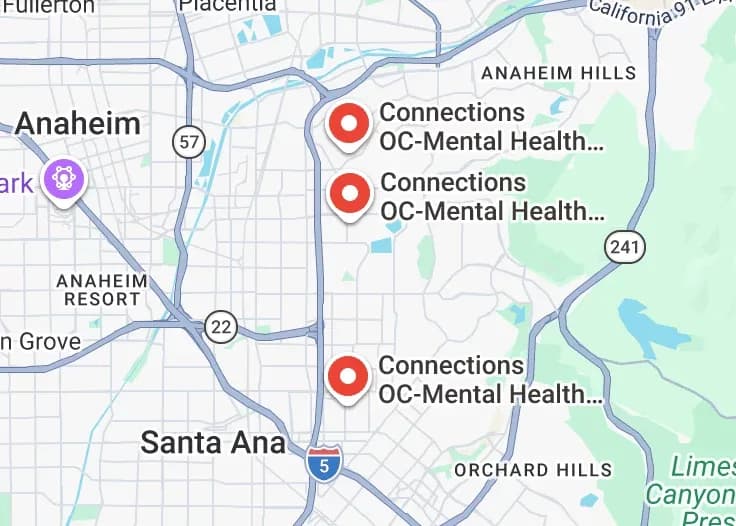
    Tustin, CATustin, CAVilla Park, CAVilla Park, CAOrange, CAOrange, CA
    Location Preview
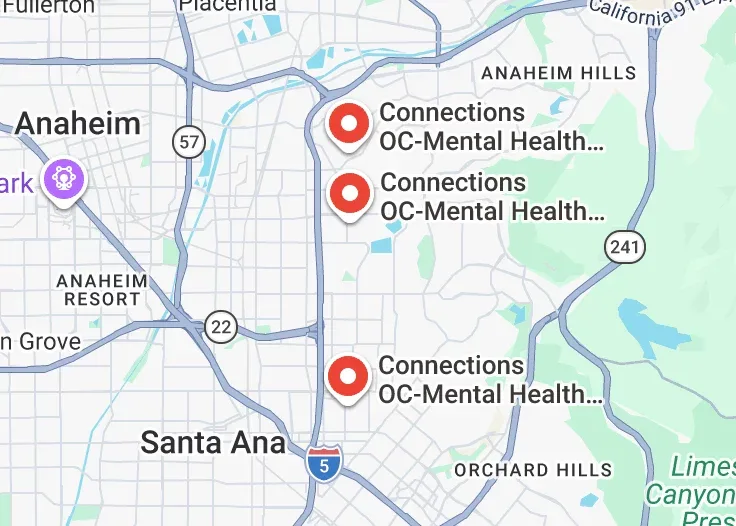
Tustin, CATustin, CAVilla Park, CAVilla Park, CAOrange, CAOrange, CA
Location Preview
Tustin, CATustin, CAVilla Park, CAVilla Park, CAOrange, CAOrange, CA
Location Preview
Areas We Serve

Why I should relocate for rehab?

Menu CTA Image
Mental Health Disorders
Anxiety Disorders
  • Generalized Anxiety Disorder
  • Panic Disorder Treatment (MentalHealth National)
  • Obsessive Compulsive Disorder
  • Social Anxiety Disorder
  • Agoraphobia
Mood Disorders
  • Depression Treatment (MentalHealth National)
  • Bipolar Disorder
  • Premenstrual Dysphoric Disorder
  • Disruptive Mood Dysregulation Disorder
  • Major Depressive Disorder
  • Persistent Depressive Disorder
  • Seasonal Affective Disorder
Trauma Disorders
  • Post Traumatic Stress Disorder
  • Adjustment Disorder
Personality Disorders
  • Borderline Personality Disorder
  • Antisocial Personality Disorder
  • Dissociative Identity Disorder
  • Histrionic Personality Disorder
  • Paranoid Personality Disorder
Psychotic Disorders
  • Schizophrenia
  • Schizoaffective Disorder
Neurodevelopment Disorder Treatment (MentalHealth National)
  • ADHD
Areas We Serve

Why I should relocate for rehab?

Menu CTA Image
Mental Health Treatment

Mental Health Treatment

Get dual-diagnosis treatment for SUD and mental health

888-255-2112
  • Cognitive Behavioral TherapyCognitive Behavioral Therapy
  • Dialectical Behavioral TherapyDialectical Behavioral Therapy
  • Seeking Safety TreatmentSeeking Safety Treatment
  • Motivational Interviewing Therapy (MentalHealth National)Motivational Interviewing Therapy (MentalHealth National)
  • Medication ManagementMedication Management
Areas We Serve

Why I should relocate for rehab?

Menu CTA Image
Contact
844-759-0999
Connections Mental Health
844-759-0999
Skip to content

Is OCD Genetic?

Picture of Written By:
Written By:

Matthew D'Ursov

Picture of Content Manager:
Content Manager:

Amy Leifeste

Picture of Editor:
Editor:

Karena Mathis

Posted On
November 7, 2023

Treatment Guidance Website Tour

After reading this current page, click on the next page we recommend here, or at the bottom of this page.

Given the successful mapping of the human genome, ongoing research is now directed toward identifying the genetic components responsible for conditions like OCD (obsessive compulsive disorder). While the genetic foundation of OCD might be apparent, the specific genes implicated and the contexts in which they operate are not yet fully understood.

The experience of intrusive thoughts is a common human occurrence, yet for those grappling with OCD, these thoughts can transform from a mere annoyance into a source of intense anxiety, rigid fixation, and unmanageability. The impact of OCD on a person’s life can be profoundly challenging, influencing their daily routines and interactions with the world. Nevertheless, obsessive compulsive disorder responds positively to evidence-based mental health treatment.

This guide explores issues that include:

  • Is OCD genetic?
  • Is OCD hereditary?
  • Are people born with OCD?
  • Does OCD run in families?
  • How to connect with OCD treatment in California.

If you or a loved one are looking for an OCD treatment program in Orange County, contact Connection Mental Health today and get the treatment process started.

Are You Born With OCD?

OCD is a mental health condition characterized by a recurring cycle of compulsive behaviors and persistent, intrusive thoughts. These intrusive thoughts often evoke distressing images or urges, leading people to engage in specific actions to alleviate their anxiety. These actions, known as compulsions, inadvertently reinforce and perpetuate the cycle of obsessive thoughts, though.

Some common manifestations of distress in individuals with OCD include nail biting, hair pulling, or skin picking. Compulsions linked to OCD can manifest as excessive hand-washing, repeated cleaning, or hoarding, among other behaviors. Understanding these patterns can help with recognizing and addressing the complex nature of OCD and its associated behaviors.

Obsessive compulsive disorder has a hereditary component, suggesting that genes contribute to the condition’s development. That said, it is widely accepted that genes are only partially accountable for the onset of the disorder.

The precise involvement of other factors remains largely uncertain. Speculations have arisen regarding the potential influence of various factors such as illness, traumatic experiences, or everyday life stressors, which might trigger the activation of genes associated with OCD symptoms.

Some specialists propose a distinction between OCD originating in childhood and that emerging in adulthood. Recent analyses of twin studies indicate that genetic factors have a more pronounced impact when OCD manifests in childhood (68%) than when it begins in adulthood (31%).

A man wondering if OCD is genetic or learned

How Does OCD Develop?

OCD can develop through a complex interplay of various factors, including genetic predispositions, environmental influences, and specific neurological processes. Although the exact mechanisms remain a subject of ongoing research, several key elements contribute to the development of OCD:

  • Genetic predisposition: Emerging evidence suggests that genetic factors can contribute to the likelihood of developing OCD. While specific genes have not been definitively identified, familial patterns and twin studies indicate a hereditary component in the manifestation of the disorder.
  • Neurological factors: Variations in brain structure and functioning play a significant role in the development of OCD. Malfunctions in neurotransmitter signaling, especially involving serotonin, have been linked to the onset and exacerbation of obsessive-compulsive symptoms.
  • Environmental triggers: Traumatic experiences, chronic stress, or significant life changes may act as environmental triggers for the development of OCD. These factors can influence the expression of genetic predispositions and contribute to the manifestation of the disorder.

Understanding the multifaceted nature of OCD development is crucial for developing effective treatment approaches that address both the biological and environmental aspects of the condition. Ongoing research aims to further explore the intricate mechanisms underlying the development of OCD, setting the foundation for more targeted interventions and improved outcomes for individuals affected by the disorder.

What Are the Causes of OCD?

Can OCD be genetic, then? The causes for OCD remain elusive. That said, current research suggests that genetic factors and variations in brain structure may be one possible OCD cause.

Studies suggest that OCD may involve a communication breakdown between the frontal brain region and deeper brain structures facilitated by serotonin, a neurotransmitter or chemical messenger responsible for transmitting chemical messages throughout the brain.

Beyond this, recent MRI scans have revealed heightened activity in the limbic system associated with emotional regulation in individuals with OCD. Interestingly, there seem to be obstacles or constraints in the transitional pathways that facilitate communication between the limbic system and the prefrontal cortex.

Get Effective Treatment for OCD at Connections

Although OCD can be highly disruptive, the condition is also treatable. We can help you or a family member restore functioning and improve overall wellbeing at our luxury beachside treatment facility in Southern California.

Access a personalized blend of evidence-based treatment for OCD delivered by a team of committed and experienced mental health professionals. Through a combination of medications and behavioral therapies, you can start living unconstrained by obsessive compulsive disorder.

You can also benefit from the support of a small number of peers grappling with similar challenges over the course of a month or more of intensive residential treatment.

Call 844-759-0999 today to access highly effective OCD treatment in Southern California.

An image of the connections mental health home, where OCD treatment for people with genetic OCD

FAQs

Is OCD genetic or environmental?

Current research suggests that OCD is influenced by both genetic and environmental factors, with evidence pointing to a hereditary predisposition combined with environmental triggers that may contribute to the development of the disorder.

Is OCD genetic or learned?

While there is evidence supporting a genetic component to OCD, environmental factors and learned behaviors can also play a significant role in the development and exacerbation of symptoms, emphasizing the complex interplay between genetic predisposition and environmental influences.

Is OCD genetically inherited?

Studies have indicated a higher likelihood of developing OCD among individuals with a family history of the disorder, suggesting a genetic predisposition to the condition. However, environmental factors and learned behaviors may further impact the manifestation and severity of OCD symptoms in susceptible individuals.

PrevPrevious Post
Next PostNext

Related Articles

January 16, 2026

Does Insurance Cover Residential Mental Health Treatment?

October 7, 2025

Why Do I Feel Like Everyone Hates Me?

September 18, 2025

Overstimulated Meaning

Share This Article

Related Blogs

Check out our addiction recovery blog to learn more about substance use disorders and how to get effective treatment.

Best Residential Outpatient Rehab Mental Health Centers in the Country

Best Residential IOP Rehab Mental Health Centers in the Country

Best Residential DBT Therapy Mental Health Centers in the Country

Best Residential EMDR Therapy Mental Health Centers in the Country

Best Residential Group Addiction Therapy Mental Health Centers in the Country

ACT Therapy Treatment near Yorba Linda (Residential Mental Health Treatment Centers)

ACT Therapy Treatment near Westminster (Residential Mental Health Treatment Centers)

Villa Park ACT Therapy Treatment (Residential Mental Health Treatment Centers)

Tustin ACT Therapy Treatment (Residential Mental Health Treatment Centers)

ACT Therapy Treatment near Stanton (Residential Mental Health Treatment Centers)

ACT Therapy Treatment near Seal Beach (Residential Mental Health Treatment Centers)

ACT Therapy Treatment near Santa Ana (Residential Mental Health Treatment Centers)

ACT Therapy Treatment near San Juan Capistrano (Residential Mental Health Treatment Centers)

ACT Therapy Treatment near San Clemente (Residential Mental Health Treatment Centers)

ACT Therapy Treatment near Rancho Santa Margarita (Residential Mental Health Treatment Centers)

Featured Blogs

Does Insurance Cover Residential Mental Health Treatment?

What Is the Goal of Therapy?

Why Do I Feel Like Everyone Hates Me? Tips & What to Do

What Are Common Signs of Overstimulation in Adults?

What to Expect at an Inpatient Behavioral Health Hospital

Residential vs. Inpatient Mental Health Treatment

How to Admit Yourself to a Mental Hospital?

When To Seek Inpatient Mental Health Treatment At A Hospital

Inpatient Mental Health Crisis Treatment

How Long is Residential Mental Health Treatment?

What is Real Event OCD? Signs, Symptoms, and Treatment

What Is Harm OCD? Signs, Symptoms, and Treatment

Why Do I Zone Out So Much? Causes & What To Do

What is existential OCD: Signs, Symptoms, Triggers, & Treatment

Hyperfixation vs. Obsession: What’s the difference?

Am I Going Crazy? Understanding Your Mental Health Concerns

Are Your Nightmares Actually Trying to Warn You About Something?

What Is Obsessive Love Disorder? Symptoms, Causes, & Treatment

What Is Hyperfixations? How to Manage It

Obsessive-Compulsive Disorder: How Common Is OCD?

Rehabs near Orange County FAQs

What types of mental health programs are available in Orange County?

Mental health programs near Orange County offer a full continuum of care, including inpatient treatment, partial hospitalization (PHP), intensive outpatient (IOP), and standard outpatient (OP) services. Whether you’re looking for structured care or flexible support, mental health treatment programs are designed to meet a range of needs.

How do I know if I need mental health treatment near Orange County?

If you’re experiencing persistent feelings of anxiety, depression, stress, mood changes, difficulty coping with daily responsibilities, or emotional challenges that are affecting your work, relationships, or overall well-being, it may be time to seek professional support. A mental health assessment can help determine the level of care that’s right for you and connect you with the appropriate treatment options.

What mental health conditions are treated at Orange County mental health centers?

Mental health treatment centers in Orange County commonly provide care for conditions such as anxiety disorders, depression, bipolar disorder, PTSD, trauma-related disorders, OCD, mood disorders, and other emotional or behavioral health concerns. Treatment plans are personalized to each individual’s unique needs, goals, and clinical recommendations.

Will my insurance cover mental health treatment in Orange County?

Many major insurance providers offer coverage for mental health services, including partial hospitalization (PHP), intensive outpatient (IOP), and outpatient treatment programs. Coverage varies by plan, so verifying your benefits with the treatment center can help you understand your available options and any potential out-of-pocket costs.


Website Guide Progress...

What most patients want to know before they book

1Protect your job while you come to treatmentNEXT2Does Insurance Cover Residential Mental Health Treatment?NEXT3Why Traveling or Staying Close to home can both be great options.NEXT4Locations & GalleriesNEXT5Staff pageNEXT6ReviewsNEXT7What to bring to treatmentNEXT8Treatment & Therapies we provideNEXT9Admissions ProcessNEXT10Contact UsNEXT11Residential Inpatient vs Hospital InpatientNEXT

You’re Not Alone.

Get treatment from a team of expert staff who is passionate about helping you experience peace.

Call Now
an image of the Connections Mental Health logo

Tustin
DHCS # MHBL240478
Exp 1/10/27

Joint Commission HCO ID: 690880
Effective Date: 3/8/2025

Villa Park
DHCS #MHBL240509
Exp 9/4/26

Joint Commission HCO ID: 690880
Effective Date: 3/8/2025

Orange
DHCS #MHBT260570
Exp 4/8/27

Joint Commission HCO ID: 690880
Effective Date: 3/8/2025

  • 17811 Bigelow Park, Tustin, CA 92780
  • 17841 Lincoln St Villa Park, CA 92861
  • 2403 N Shady Forest Ln Orange, CA 92867
  • Privacy Policy
  • Sitemap
About Us

About Us

Effective residential inpatient mental health treatment.

Get to know us
Who We Are
  • Staff
  • Our Facilities
Resources
  • Blog
  • FAQ
  • Insurance Verification
  • Reviews
Areas We Serve

Why I should relocate for rehab?

Menu CTA Image
Locations

Locations

Choose from our beautiful locations near beaches & national parks.

888-255-2112
California
  • Orange County
    Tustin, CATustin, CAVilla Park, CAVilla Park, CAOrange, CAOrange, CA
    Location Preview
Tustin, CATustin, CAVilla Park, CAVilla Park, CAOrange, CAOrange, CA
Location Preview
Tustin, CATustin, CAVilla Park, CAVilla Park, CAOrange, CAOrange, CA
Location Preview
Areas We Serve

Why I should relocate for rehab?

Menu CTA Image
Mental Health Disorders
Anxiety Disorders
  • Generalized Anxiety Disorder
  • Panic Disorder Treatment (MentalHealth National)
  • Obsessive Compulsive Disorder
  • Social Anxiety Disorder
  • Agoraphobia
Mood Disorders
  • Depression Treatment (MentalHealth National)
  • Bipolar Disorder
  • Premenstrual Dysphoric Disorder
  • Disruptive Mood Dysregulation Disorder
  • Major Depressive Disorder
  • Persistent Depressive Disorder
  • Seasonal Affective Disorder
Trauma Disorders
  • Post Traumatic Stress Disorder
  • Adjustment Disorder
Personality Disorders
  • Borderline Personality Disorder
  • Antisocial Personality Disorder
  • Dissociative Identity Disorder
  • Histrionic Personality Disorder
  • Paranoid Personality Disorder
Psychotic Disorders
  • Schizophrenia
  • Schizoaffective Disorder
Neurodevelopment Disorder Treatment (MentalHealth National)
  • ADHD
Areas We Serve

Why I should relocate for rehab?

Menu CTA Image
Mental Health Treatment

Mental Health Treatment

Get dual-diagnosis treatment for SUD and mental health

888-255-2112
  • Cognitive Behavioral TherapyCognitive Behavioral Therapy
  • Dialectical Behavioral TherapyDialectical Behavioral Therapy
  • Seeking Safety TreatmentSeeking Safety Treatment
  • Motivational Interviewing Therapy (MentalHealth National)Motivational Interviewing Therapy (MentalHealth National)
  • Medication ManagementMedication Management
Areas We Serve

Why I should relocate for rehab?

Menu CTA Image
Contact
Verify Insurance
Call Now

Where Lasting Mental Health Treatment Truly Begins

Connect with our compassionate clinicians to get a personalized mental health treatment plan designed around your needs.
844-759-0999

Learn more about the individual mental health disorders we treat by clicking a button below.

Schizophrenia Disorder
Schizoaffective Disorder
Premenstrual Disphoric Disorder (PMDD)
Cyclothymia
Hypomania
Major Depressive Disorder (MDD)
Disruptive Mood Disregulation Disorder (DMDD)Disorder
Persistent Depressive Disorder (PDD)
ADHD
Social Anxiety Disorder
Major Depressive Disorder (MDD)
Disruptive Mood Disregulation Disorder (DMDD)Disorder
Persistent Depressive Disorder (PDD)
ADHD
Social Anxiety Disorder
Autism Spectrum Disorder (ASD)
Generalized Anxiety Disorder
Social Anxiety Disorder
Agoraphobia
Separation Anxiety Disorder
Dissociative Panic Disorder
Antisocial Personality Disorder
Paranoid Personality Disorder
Adjustment Disorder
Borderline Personality Disorder
USERJOURNEYGUIDE
Website GuideHand-picked pages that help our visitors
0 of 11 visited
  • 1Protect your job while you come to treatment+ Recommended next step
  • 2Does Insurance Cover Residential Mental Health Treatment?
  • 3Why Traveling or Staying Close to home can both be great options.
  • 4Locations & Galleries
  • 5Staff page
  • 6Reviews
  • 7What to bring to treatment
  • 8Treatment & Therapies we provide
  • 9Admissions Process
  • 10Contact Us
  • 11Residential Inpatient vs Hospital Inpatient