After reading this current page, click on the next page we recommend here, or at the bottom of this page.
Although anxiety is commonly associated with feelings of worry, unease, stress, fear, and panic, anxiety sickness may also manifest. Read on to discover:
Can anxiety make you feel sick?
Why does my anxiety make me feel sick?
How to stop feeling sick from anxiety the easy way.
Does Anxiety Make You Feel Sick?
The experience of nausea triggered by anxiety varies from person to person. While some describe it as a fluttery sensation, others perceive it similarly to nausea induced by other factors.
Experiencing occasional digestive discomfort due to anxiety doesn’t automatically indicate an anxiety disorder. That said, if you notice persistent or prolonged changes in your digestion, or if frequent bouts of nausea significantly disrupt your daily life, it’s advisable to consult a doctor. They can help in identifying and addressing the underlying causes of your anxiety or gastrointestinal issues.
Fortunately, nausea induced by anxiety is usually brief and subsides once the stressor dissipates.
Why Does Anxiety Make You Feel Sick?
Sickness triggered by anxiety can occur for the following reasons:
Standard stress response: Researchers believe that nausea stems from the activation of the fight or flight response and stress-related hormones like cortisol.
Pressure in the gut: Anxiety can induce heightened muscle tension, placing strain on the stomach and intestines. This pressure might influence stomach sensations and contribute to feelings of sickness.
Mildillness: The human body is always fighting germs. Anxiety can compromise the immune system, increasing susceptibility to minor illnesses. This, too, may contribute to nausea and feelings of unwellness.
Feeling sick often triggers concern. For some people, the discomfort is so intense that it leads to vomiting or nausea, disrupting their daily activities. This perpetuates a cycle of anxiety, where the physical effects of anxiety trigger further anxiety.
In addition to nausea, some people experience additional symptoms similar to those brought on by a cold or flu. They may have swollen glands or a dry tongue, feel lightheaded, or even encounter coughing or severe stomach discomfort resembling indigestion.
How to Stop Sickness from Anxiety
When you’re feeling sick from anxiety, consider these remedies:
Consume some bread or plain crackers to settle your stomach.
Slowly sip on water to stay hydrated.
Wear loose clothing that doesn’t constrict your stomach.
Fried, greasy, or sweet foods, all of which can inflame nausea.
Mixing hot and cold foods, as extreme temperatures may provoke discomfort.
Engaging in intense physical activity, which can aggravate nausea.
If your nausea persists or intensifies, there are steps you can take to prevent or alleviate vomiting:
Drink water and clear liquids in small sips to rehydrate.
Rest and refrain from strenuous physical activities.
Avoid solid foods until the nausea subsides.
In the long run, consider these strategies:
Steer clear of heavy, greasy meals that may trigger nausea.
Stay hydrated, but limit consumption of alcohol and caffeine.
Eat smaller and more frequent meals instead of three large meals each day.
If you find yourself relying on over-the-counter nausea medications or experiencing frequent vomiting episodes, consult your physician for further evaluation and guidance.
In addition to these tips, various treatment options and coping strategies can help manage anxiety-related nausea:
Therapy: Seek support from a mental health professional to address anxiety and develop coping skills. Therapeutic approaches such as CBT (cognitive behavioral therapy) and exposure therapy can be beneficial.
Gut-directed hypnotherapy: Consider specialized treatment like gut-directed hypnotherapy, which helps manage gastrointestinal symptoms through clinical hypnosis. Your healthcare provider can guide you through exercises to increase control over physiological responses.
Breathing exercises: Practice diaphragmatic breathing and other breathing exercises to reduce anxiety and promote relaxation. These exercises can lower heart rate, blood pressure, and stress hormones.
Mindfulness techniques: Engage with mindfulness practices like meditation, guided imagery, and progressive muscle relaxation to reduce stress and anxiety.
Self-care: Prioritize self-care by ensuring adequate sleep, nutrition, and exercise. Practicing self-compassion and making time for relaxation can also help manage anxiety and its physical symptoms.
By incorporating these strategies into your routine, you can effectively cope with anxiety and alleviate associated nausea. Here’s what to do if you feel you need support and guidance.
Get Treatment for Anxiety at Connections Mental Health
At Connections, we limit intake to just six individuals at any time to deliver a balance of personalized care and access to the power of peer support.
Experienced and passionate staff facilitate structured treatment programs which blend medications, talk therapies, counseling, and motivational therapies. We also offer a variety of holistic interventions for a whole-body approach to healing.
Call 844-759-0999 for immediate assistance addressing anxiety.
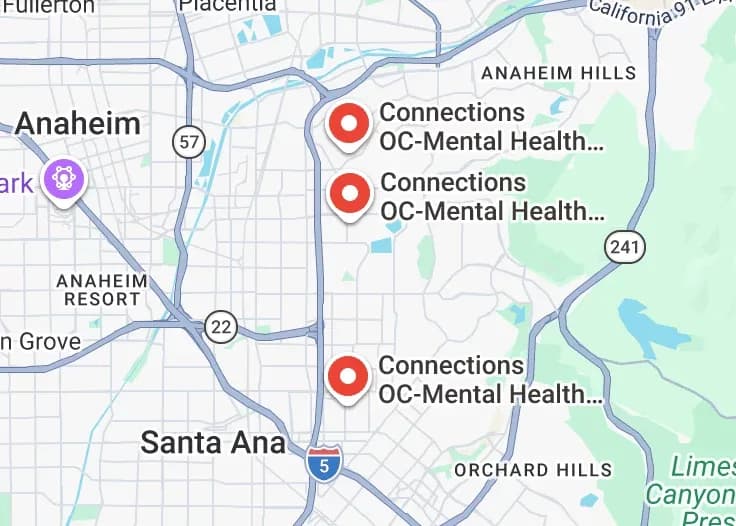
What types of mental health programs are available in Orange County?
Mental health programs near Orange County offer a full continuum of care, including inpatient treatment, partial hospitalization (PHP), intensive outpatient (IOP), and standard outpatient (OP) services. Whether you’re looking for structured care or flexible support, mental health treatment programs are designed to meet a range of needs.
How do I know if I need mental health treatment near Orange County?
If you’re experiencing persistent feelings of anxiety, depression, stress, mood changes, difficulty coping with daily responsibilities, or emotional challenges that are affecting your work, relationships, or overall well-being, it may be time to seek professional support. A mental health assessment can help determine the level of care that’s right for you and connect you with the appropriate treatment options.
What mental health conditions are treated at Orange County mental health centers?
Mental health treatment centers in Orange County commonly provide care for conditions such as anxiety disorders, depression, bipolar disorder, PTSD, trauma-related disorders, OCD, mood disorders, and other emotional or behavioral health concerns. Treatment plans are personalized to each individual’s unique needs, goals, and clinical recommendations.
Will my insurance cover mental health treatment in Orange County?
Many major insurance providers offer coverage for mental health services, including partial hospitalization (PHP), intensive outpatient (IOP), and outpatient treatment programs. Coverage varies by plan, so verifying your benefits with the treatment center can help you understand your available options and any potential out-of-pocket costs.