Connections Mental Health
About Us

About Us

Effective residential inpatient mental health treatment.

Get to know us
Who We Are
  • Staff
  • Our Facilities
Resources
  • Blog
  • FAQ
  • Insurance Verification
  • Reviews
Areas We Serve

Why I should relocate for rehab?

Menu CTA Image
Locations

Locations

Choose from our beautiful locations near beaches & national parks.

888-255-2112
California
  • Orange County
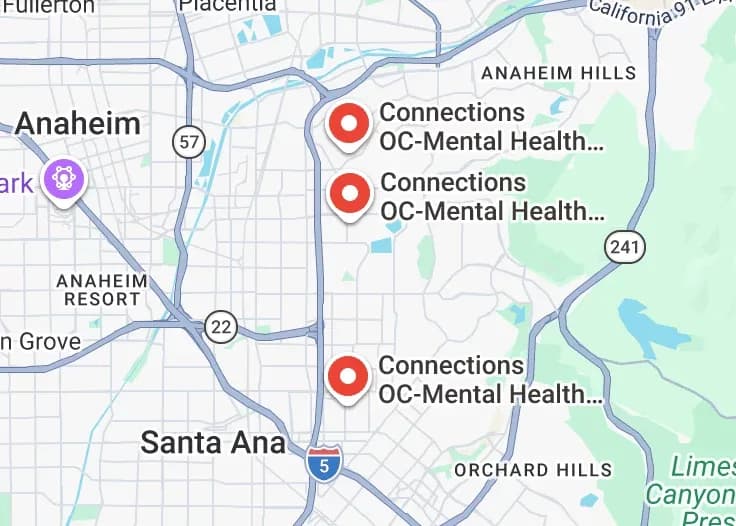
    Tustin, CATustin, CAVilla Park, CAVilla Park, CAOrange, CAOrange, CA
    Location Preview
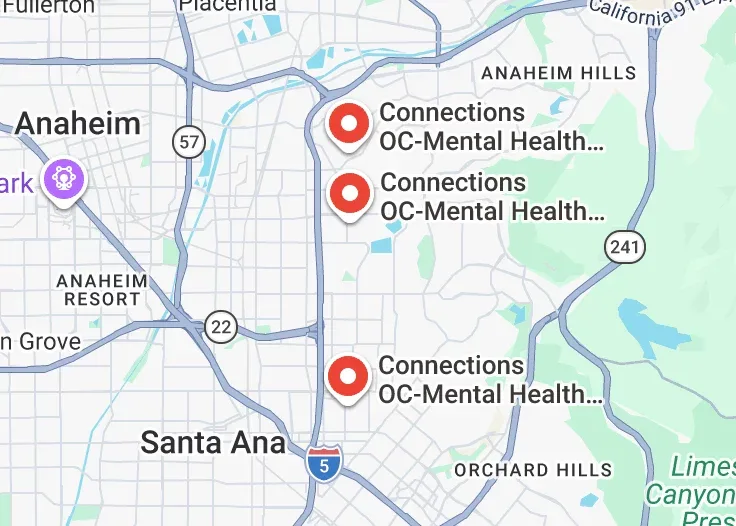
Tustin, CATustin, CAVilla Park, CAVilla Park, CAOrange, CAOrange, CA
Location Preview
Tustin, CATustin, CAVilla Park, CAVilla Park, CAOrange, CAOrange, CA
Location Preview
Areas We Serve

Why I should relocate for rehab?

Menu CTA Image
Mental Health Disorders
Anxiety Disorders
  • Generalized Anxiety Disorder
  • Panic Disorder Treatment (MentalHealth National)
  • Obsessive Compulsive Disorder
  • Social Anxiety Disorder
  • Agoraphobia
Mood Disorders
  • Depression Treatment (MentalHealth National)
  • Bipolar Disorder
  • Premenstrual Dysphoric Disorder
  • Disruptive Mood Dysregulation Disorder
  • Major Depressive Disorder
  • Persistent Depressive Disorder
  • Seasonal Affective Disorder
Trauma Disorders
  • Post Traumatic Stress Disorder
  • Adjustment Disorder
Personality Disorders
  • Borderline Personality Disorder
  • Antisocial Personality Disorder
  • Dissociative Identity Disorder
  • Histrionic Personality Disorder
  • Paranoid Personality Disorder
Psychotic Disorders
  • Schizophrenia
  • Schizoaffective Disorder
Neurodevelopment Disorder Treatment (MentalHealth National)
  • ADHD
Areas We Serve

Why I should relocate for rehab?

Menu CTA Image
Mental Health Treatment

Mental Health Treatment

Get dual-diagnosis treatment for SUD and mental health

888-255-2112
  • Cognitive Behavioral TherapyCognitive Behavioral Therapy
  • Dialectical Behavioral TherapyDialectical Behavioral Therapy
  • Seeking Safety TreatmentSeeking Safety Treatment
  • Motivational Interviewing Therapy (MentalHealth National)Motivational Interviewing Therapy (MentalHealth National)
  • Medication ManagementMedication Management
Areas We Serve

Why I should relocate for rehab?

Menu CTA Image
Contact
844-759-0999
Connections Mental Health
844-759-0999
Skip to content

The Links Between Anxiety and ADHD

Picture of Written By:
Written By:

Matthew D'Ursov

Picture of Content Manager:
Content Manager:

Amy Leifeste

Picture of Editor:
Editor:

Karena Mathis

Posted On
November 16, 2023

Treatment Guidance Website Tour

After reading this current page, click on the next page we recommend here, or at the bottom of this page.

The presence of anxiety can complicate the identification of co-occurring ADHD (attention deficit hyperactivity disorder), as the symptoms of these conditions often overlap. Likewise, ADHD itself can obscure the manifestation of anxiety symptoms. Accurately recognizing and differentiating both conditions will streamline optimal treatment strategies.

Many individuals diagnosed with ADHD (attention deficit hyperactivity disorder) experience additional mental health disorders. Research indicates that roughly two-thirds of those with ADHD confront the challenge of managing at least one coexisting condition. Read on to learn more about the intricate interrelationship between ADHD and anxiety.

How Are Anxiety and ADHD Connected?

ADHD typically manifests in childhood and may persist into adulthood. This developmental disorder is often characterized by symptoms including a limited attention span, restlessness, impulsivity, fidgeting, and hyperactivity.

According to ADAA (Anxiety and Depression Association of America), half of all U.S. adults with an ADHD diagnosis also have an anxiety disorder. The exact reasons for the frequent co-occurrence of anxiety and ADHD remain uncertain. Genetic factors, premature birth, and exposure to environmental toxins are believed to contribute to ADHD and may potentially influence the development of anxiety disorders. That said, further research is required to establish definitive connections.

An anxiety disorder involves persistent feelings of nervousness, fear, and worry. While occasional anxiety is normal, individuals with anxiety disorders experience heightened anxiety most, if not all, of the time. They may struggle to identify and manage their specific fears and concerns, which often disrupt their daily lives and interpersonal relationships.

Various types of anxiety disorders exist, including GAD (generalized anxiety disorder), panic disorder, and social anxiety disorder.

Despite the potential co-occurrence of anxiety and ADHD, ADHD itself is not an anxiety disorder. Anxiety can arise independently or as a result of living with ADHD. Stress and worry due to missed deadlines or forgetting crucial tasks can lead to anxiety in individuals with ADHD. Prolonged experiences of such situations may eventually develop into an anxiety disorder for many people with attention deficit hyperactivity disorder.

Beyond this, certain medications used to treat ADHD – especially stimulant medications like amphetamines – can induce symptoms of anxiety. Genetic predisposition may also contribute to the complex relationship between ADHD and anxiety.

A woman sits hunched over, as she is experiencing the effects of both anxiety and adhd

How Are Anxiety and ADHD Treated Together?

Managing both ADHD and anxiety concurrently can be demanding as some ADHD medications have the potential to aggravate anxiety symptoms. Regardless, it remains imperative to address both conditions effectively.

Initially, your physician may prioritize treating the condition that most significantly disrupts your quality of life. They may also offer guidance on managing the other condition through various means.

Recommended treatments for both ADHD and anxiety, whether in adults or children, may involve cognitive behavioral therapy or the use of prescription medications, including stimulants.

Honest and open communication with your doctor regarding your symptoms is essential, particularly if you suspect the presence of both conditions simultaneously. Sharing feedback about any treatment effects worsening either or both of your conditions will enable your physician to tailor your treatment plan accordingly.

Certain lifestyle adjustments can aid in coping with both anxiety and ADHD, including:

  • Understanding triggers: Identify specific triggers that induce anxiety, such as public speaking or making phone calls, and work with your doctor to devise coping strategies for these situations.
  • Prioritizing sleep: Strive for 7 to 8 hours of sleep each night, employing relaxation techniques like meditation or a pre-bedtime bath to calm your mind. Maintain a consistent sleep schedule, and consult a doctor if you encounter sleep-related challenges due to ADHD.
  • Emphasizing healthy eating: Recognize how nutritional deficiencies or food allergies might exacerbate your symptoms. Initiate an elimination diet to identify triggers, and subsequently adopt a balanced diet, like the Mediterranean diet, while avoiding processed foods and added sugars.
  • Establishing a routine: Develop a practical schedule to manage tasks effectively, considering that challenges in task completion can amplify anxiety. Factor in additional time for each activity to counteract potential ADHD-related time management difficulties.
  • Journaling: Maintain a journal to declutter your mind and jot down any concerns you wish to discuss with a healthcare provider or therapist. It can serve as a valuable tool for self-reflection and tracking progress.
  • Regular exercise: Incorporate regular exercise into your routine, as it has been shown to reduce anxiety. Aim for at least 30 minutes of exercise daily, with higher-intensity workouts potentially yielding more significant benefits, according to many studies.

ADHD and Anxiety Medication

When managing ADHD with anxiety and depression or any other mental health condition, medication can play a key role in alleviating symptoms and improving overall well-being. There is no single best ADHD medication for adults with anxiety and depression, though. Indeed, some medications used to treat ADHD can potentially worsen anxiety symptoms. Here are some common medications used for treating ADHD and anxiety:

Stimulants

Adderall and Ritalin are the medications most commonly prescribed to treat ADHD. While effective in managing symptoms, they may occasionally contribute to increased anxiety in some individuals. Regular monitoring and adjustments in dosage may be necessary to minimize any adverse effects.

Non-stimulant medications for ADHD

Non-stimulant medications – atomoxetine (Strattera) and guanfacine (Intuniv), for instance – are alternative options. They may be considered when stimulants are not well-tolerated or prove ineffective. These medications typically do not exacerbate anxiety symptoms and may even help alleviate coexisting anxiety disorders.

Anxiolytics

These medications, such as benzodiazepines (alprazolam, diazepam) and certain antidepressants (SSRIs or SNRIs), are commonly prescribed for the treatment of anxiety disorders. They work to reduce the symptoms of anxiety and may be used alongside ADHD medications. Nevertheless, careful monitoring for potential side effects and interactions is essential.

Alpha-agonists

Some alpha-agonists, like clonidine, are used to manage symptoms of both ADHD and anxiety. These medications can help reduce impulsivity and hyperactivity associated with ADHD and may also have a calming effect, potentially beneficial for managing anxiety symptoms.

Individuals should collaborate with healthcare providers to find the most effective and well-tolerated medication regimen. Open communication about any concerns or changes in symptoms is vital to ensure optimal treatment outcomes for both ADHD and anxiety. Regular follow-ups and adjustments to the treatment plan may be necessary to achieve the optimal outcome.

An image of the connections mental health home, where treatment is available to help treat depression and anxiety

Get Treatment for Anxiety and ADHD at Connections

At Connections Mental Health in Southern California, we treat all types of mental health conditions, including anxiety disorders. Contact our anxiety treatment center in Orange County today to get the process started.

During inpatient treatment for mental health conditions like anxiety or ADHD, you will engage with a personalized blend of treatments. A team of passionate mental health specialists will help you restore functioning and improve your overall well-being.

You can also get support from peers dealing with similar issues. We treat a maximum of six individuals at any one time, ensuring that you get the attention you need to tackle your mental health condition. Call 844-759-0999 for more information and immediate assistance.

PrevPrevious Post
Next PostNext

Related Articles

January 16, 2026

Does Insurance Cover Residential Mental Health Treatment?

October 7, 2025

Why Do I Feel Like Everyone Hates Me?

September 18, 2025

Overstimulated Meaning

Share This Article

Related Blogs

Check out our addiction recovery blog to learn more about substance use disorders and how to get effective treatment.

Best Residential Outpatient Rehab Mental Health Centers in the Country

Best Residential IOP Rehab Mental Health Centers in the Country

Best Residential DBT Therapy Mental Health Centers in the Country

Best Residential EMDR Therapy Mental Health Centers in the Country

Best Residential Group Addiction Therapy Mental Health Centers in the Country

ACT Therapy Treatment near Yorba Linda (Residential Mental Health Treatment Centers)

ACT Therapy Treatment near Westminster (Residential Mental Health Treatment Centers)

Villa Park ACT Therapy Treatment (Residential Mental Health Treatment Centers)

Tustin ACT Therapy Treatment (Residential Mental Health Treatment Centers)

ACT Therapy Treatment near Stanton (Residential Mental Health Treatment Centers)

ACT Therapy Treatment near Seal Beach (Residential Mental Health Treatment Centers)

ACT Therapy Treatment near Santa Ana (Residential Mental Health Treatment Centers)

ACT Therapy Treatment near San Juan Capistrano (Residential Mental Health Treatment Centers)

ACT Therapy Treatment near San Clemente (Residential Mental Health Treatment Centers)

ACT Therapy Treatment near Rancho Santa Margarita (Residential Mental Health Treatment Centers)

Featured Blogs

Does Insurance Cover Residential Mental Health Treatment?

What Is the Goal of Therapy?

Why Do I Feel Like Everyone Hates Me? Tips & What to Do

What Are Common Signs of Overstimulation in Adults?

What to Expect at an Inpatient Behavioral Health Hospital

Residential vs. Inpatient Mental Health Treatment

How to Admit Yourself to a Mental Hospital?

When To Seek Inpatient Mental Health Treatment At A Hospital

Inpatient Mental Health Crisis Treatment

How Long is Residential Mental Health Treatment?

What is Real Event OCD? Signs, Symptoms, and Treatment

What Is Harm OCD? Signs, Symptoms, and Treatment

Why Do I Zone Out So Much? Causes & What To Do

What is existential OCD: Signs, Symptoms, Triggers, & Treatment

Hyperfixation vs. Obsession: What’s the difference?

Am I Going Crazy? Understanding Your Mental Health Concerns

Are Your Nightmares Actually Trying to Warn You About Something?

What Is Obsessive Love Disorder? Symptoms, Causes, & Treatment

What Is Hyperfixations? How to Manage It

Obsessive-Compulsive Disorder: How Common Is OCD?

Rehabs near Orange County FAQs

What types of mental health programs are available in Orange County?

Mental health programs near Orange County offer a full continuum of care, including inpatient treatment, partial hospitalization (PHP), intensive outpatient (IOP), and standard outpatient (OP) services. Whether you’re looking for structured care or flexible support, mental health treatment programs are designed to meet a range of needs.

How do I know if I need mental health treatment near Orange County?

If you’re experiencing persistent feelings of anxiety, depression, stress, mood changes, difficulty coping with daily responsibilities, or emotional challenges that are affecting your work, relationships, or overall well-being, it may be time to seek professional support. A mental health assessment can help determine the level of care that’s right for you and connect you with the appropriate treatment options.

What mental health conditions are treated at Orange County mental health centers?

Mental health treatment centers in Orange County commonly provide care for conditions such as anxiety disorders, depression, bipolar disorder, PTSD, trauma-related disorders, OCD, mood disorders, and other emotional or behavioral health concerns. Treatment plans are personalized to each individual’s unique needs, goals, and clinical recommendations.

Will my insurance cover mental health treatment in Orange County?

Many major insurance providers offer coverage for mental health services, including partial hospitalization (PHP), intensive outpatient (IOP), and outpatient treatment programs. Coverage varies by plan, so verifying your benefits with the treatment center can help you understand your available options and any potential out-of-pocket costs.


Website Guide Progress...

What most patients want to know before they book

1Protect your job while you come to treatmentNEXT2Does Insurance Cover Residential Mental Health Treatment?NEXT3Why Traveling or Staying Close to home can both be great options.NEXT4Locations & GalleriesNEXT5Staff pageNEXT6ReviewsNEXT7What to bring to treatmentNEXT8Treatment & Therapies we provideNEXT9Admissions ProcessNEXT10Contact UsNEXT11Residential Inpatient vs Hospital InpatientNEXT

You’re Not Alone.

Get treatment from a team of expert staff who is passionate about helping you experience peace.

Call Now
an image of the Connections Mental Health logo

Tustin
DHCS # MHBL240478
Exp 1/10/27

Joint Commission HCO ID: 690880
Effective Date: 3/8/2025

Villa Park
DHCS #MHBL240509
Exp 9/4/26

Joint Commission HCO ID: 690880
Effective Date: 3/8/2025

Orange
DHCS #MHBT260570
Exp 4/8/27

Joint Commission HCO ID: 690880
Effective Date: 3/8/2025

  • 17811 Bigelow Park, Tustin, CA 92780
  • 17841 Lincoln St Villa Park, CA 92861
  • 2403 N Shady Forest Ln Orange, CA 92867
  • Privacy Policy
  • Sitemap
About Us

About Us

Effective residential inpatient mental health treatment.

Get to know us
Who We Are
  • Staff
  • Our Facilities
Resources
  • Blog
  • FAQ
  • Insurance Verification
  • Reviews
Areas We Serve

Why I should relocate for rehab?

Menu CTA Image
Locations

Locations

Choose from our beautiful locations near beaches & national parks.

888-255-2112
California
  • Orange County
    Tustin, CATustin, CAVilla Park, CAVilla Park, CAOrange, CAOrange, CA
    Location Preview
Tustin, CATustin, CAVilla Park, CAVilla Park, CAOrange, CAOrange, CA
Location Preview
Tustin, CATustin, CAVilla Park, CAVilla Park, CAOrange, CAOrange, CA
Location Preview
Areas We Serve

Why I should relocate for rehab?

Menu CTA Image
Mental Health Disorders
Anxiety Disorders
  • Generalized Anxiety Disorder
  • Panic Disorder Treatment (MentalHealth National)
  • Obsessive Compulsive Disorder
  • Social Anxiety Disorder
  • Agoraphobia
Mood Disorders
  • Depression Treatment (MentalHealth National)
  • Bipolar Disorder
  • Premenstrual Dysphoric Disorder
  • Disruptive Mood Dysregulation Disorder
  • Major Depressive Disorder
  • Persistent Depressive Disorder
  • Seasonal Affective Disorder
Trauma Disorders
  • Post Traumatic Stress Disorder
  • Adjustment Disorder
Personality Disorders
  • Borderline Personality Disorder
  • Antisocial Personality Disorder
  • Dissociative Identity Disorder
  • Histrionic Personality Disorder
  • Paranoid Personality Disorder
Psychotic Disorders
  • Schizophrenia
  • Schizoaffective Disorder
Neurodevelopment Disorder Treatment (MentalHealth National)
  • ADHD
Areas We Serve

Why I should relocate for rehab?

Menu CTA Image
Mental Health Treatment

Mental Health Treatment

Get dual-diagnosis treatment for SUD and mental health

888-255-2112
  • Cognitive Behavioral TherapyCognitive Behavioral Therapy
  • Dialectical Behavioral TherapyDialectical Behavioral Therapy
  • Seeking Safety TreatmentSeeking Safety Treatment
  • Motivational Interviewing Therapy (MentalHealth National)Motivational Interviewing Therapy (MentalHealth National)
  • Medication ManagementMedication Management
Areas We Serve

Why I should relocate for rehab?

Menu CTA Image
Contact
Verify Insurance
Call Now

Where Lasting Mental Health Treatment Truly Begins

Connect with our compassionate clinicians to get a personalized mental health treatment plan designed around your needs.
844-759-0999

Learn more about the individual mental health disorders we treat by clicking a button below.

Schizophrenia Disorder
Schizoaffective Disorder
Premenstrual Disphoric Disorder (PMDD)
Cyclothymia
Hypomania
Major Depressive Disorder (MDD)
Disruptive Mood Disregulation Disorder (DMDD)Disorder
Persistent Depressive Disorder (PDD)
ADHD
Social Anxiety Disorder
Major Depressive Disorder (MDD)
Disruptive Mood Disregulation Disorder (DMDD)Disorder
Persistent Depressive Disorder (PDD)
ADHD
Social Anxiety Disorder
Autism Spectrum Disorder (ASD)
Generalized Anxiety Disorder
Social Anxiety Disorder
Agoraphobia
Separation Anxiety Disorder
Dissociative Panic Disorder
Antisocial Personality Disorder
Paranoid Personality Disorder
Adjustment Disorder
Borderline Personality Disorder
USERJOURNEYGUIDE
Website GuideHand-picked pages that help our visitors
0 of 11 visited
  • 1Protect your job while you come to treatment+ Recommended next step
  • 2Does Insurance Cover Residential Mental Health Treatment?
  • 3Why Traveling or Staying Close to home can both be great options.
  • 4Locations & Galleries
  • 5Staff page
  • 6Reviews
  • 7What to bring to treatment
  • 8Treatment & Therapies we provide
  • 9Admissions Process
  • 10Contact Us
  • 11Residential Inpatient vs Hospital Inpatient